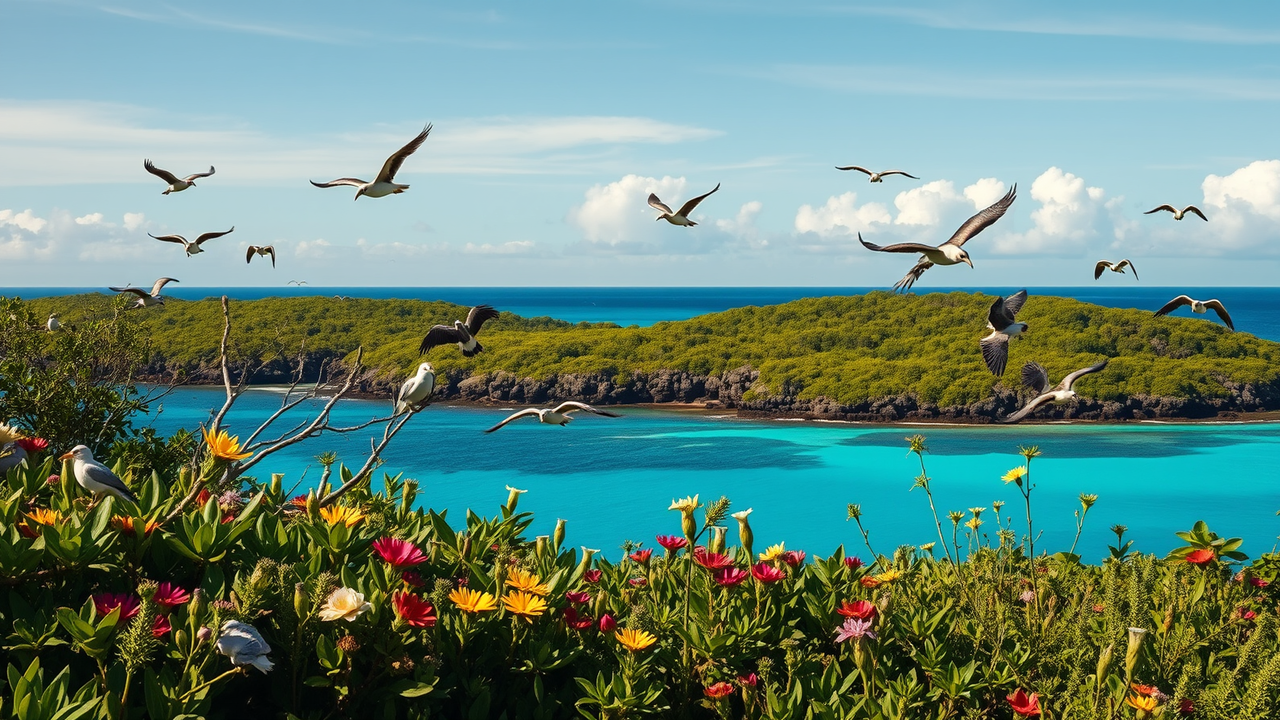

Off the coast of Mauritius sit a string of small, mostly uninhabited islands that once told a very different story than they do today. For decades, animals brought there by ships, rats, cats, goats and rabbits among them, quietly wiped out native plants and drove seabird colonies to near collapse. Then, starting in the late 1970s, conservationists and the Mauritian government began a long, painstaking effort to remove these invasive species from islands like Round Island, Ile aux Aigrettes and Gunner’s Quoin. It took decades of careful work, but the results speak for themselves. Seabirds that had all but vanished from these shores are now nesting again, and native forests are slowly reclaiming ground they had lost more than a century ago.
Why invasive species pushed Mauritius seabirds to the edge
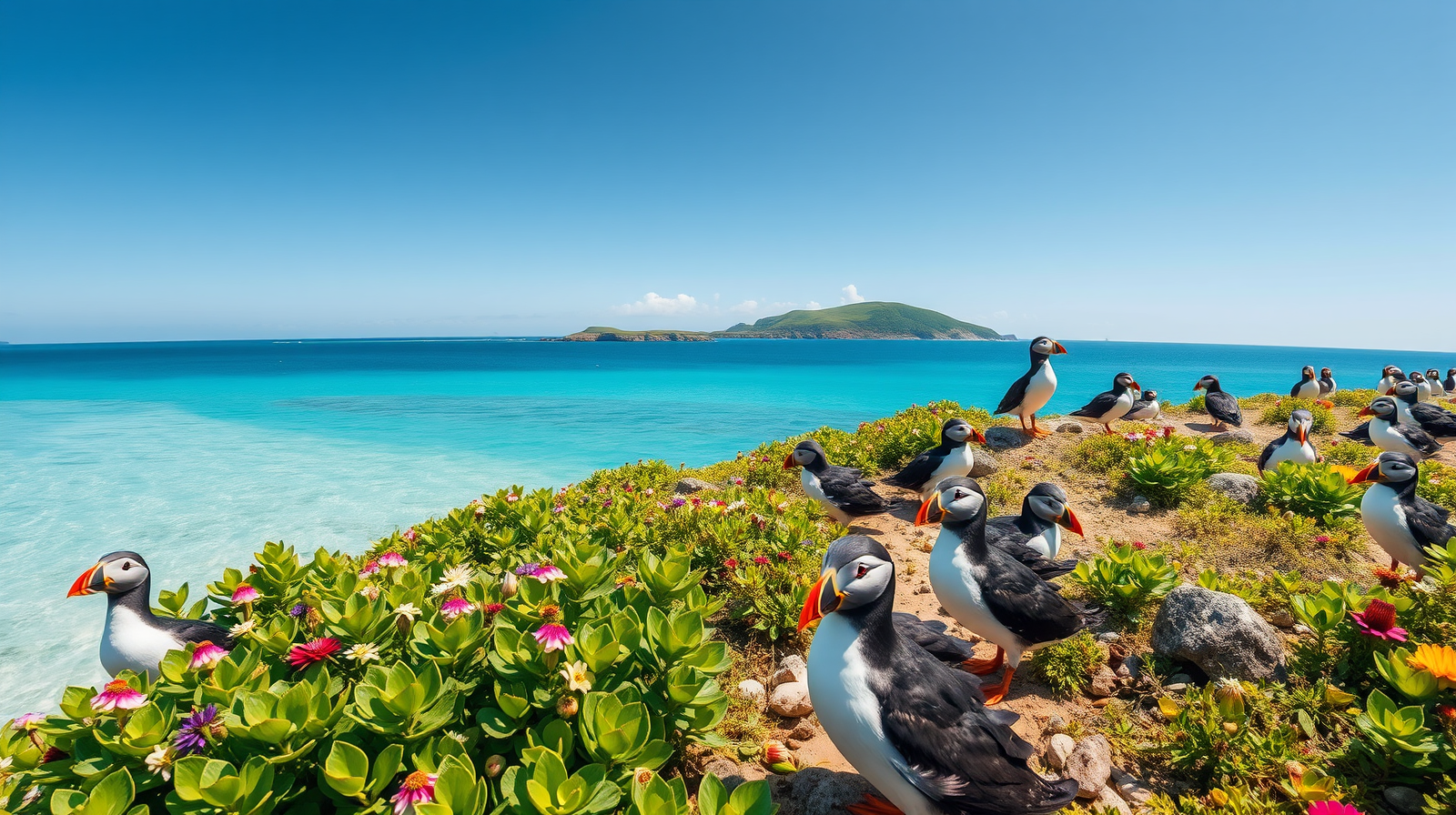
Mauritius has no native land mammals apart from bats, so when sailors and settlers introduced rats, goats, rabbits and cats over the centuries, the local wildlife simply had no defences against them. Rats in particular proved devastating for seabirds, since they raid nests and eat eggs and chicks long before the young birds ever get a chance to fledge. According to a government report from the National Parks and Conservation Service of Mauritius, invasive alien species remain the single biggest threat to the country’s native biodiversity, and this combination of introduced predators pushed several seabird populations to the brink across the small offshore islands.
The long fight to save Round Island
Round Island, a small volcanic islet roughly 22 kilometres north of the mainland, became one of the earliest and most important restoration efforts in the country. For more than 150 years, introduced goats and rabbits stripped the island of its vegetation, causing severe soil erosion and wiping out large parts of its native plant life. Working with the Durrell Wildlife Conservation Trust, conservationists managed to remove the goats by 1979 and finally cleared out the rabbits by 1986, according to the Mauritian Wildlife Foundation. Once these grazing animals were gone, the island’s palm forests slowly began to recover, and with them came a genuine revival of native reptiles and seabirds that depend on that habitat to breed.
Clearing rats and cats from Ile aux Aigrettes
A similar transformation took place on Ile aux Aigrettes, a small coral island just off the southeast coast of Mauritius. Since the 1980s, teams worked steadily to remove rats, cats and invasive plants from the island, finally eliminating these key predators by the early 2000s. With that threat gone, seabirds began returning to nest successfully, including species like the white tailed tropicbird and the wedge tailed shearwater, both of which had struggled for years under constant predation. The island’s vegetation also responded well once rats were no longer around to damage seeds and young plants, allowing native forest cover to slowly rebuild itself.
Clearing the northern islets one by one
Beyond Round Island and Ile aux Aigrettes, Mauritius also tackled a cluster of smaller northern islets through a coordinated, multi year programme. Norway rats and hares were removed from Gunner’s Quoin, ship rats were cleared from Gabriel Island, and mice were eliminated from Ile aux Cocos and Ile aux Sables, with cats and additional rodents later removed from Flat Island as well. These eradications, carried out by wildlife management specialists working with the Mauritian government, were slow and methodical, often involving specially designed bait stations placed across entire islands to make sure no invasive predators survived the process.
Seabirds slowly returning to their old nesting grounds
The payoff from all this work has been steady rather than instant, but seabird numbers on these islets have genuinely climbed as the threat from predators disappeared. Species like wedge tailed shearwaters and red and white tailed tropicbirds have re-established nesting colonies on islands where they had once been pushed out entirely, taking advantage of restored vegetation and predator free ground to breed safely again. Reptile populations on these islands have benefited too, with several rare, endemic species now able to survive and even be reintroduced to islands where they had previously disappeared.
A conservation model still being used today
What makes this story stand out is not just the outcome but the approach behind it. Restoring these islands required sustained cooperation between the Mauritian government, the Mauritian Wildlife Foundation, the Durrell Wildlife Conservation Trust and the country’s Forestry Service, spread out across several decades rather than a single quick fix. This same island restoration model continues today across roughly a dozen offshore islands, and it has become something of a reference point for conservationists working on similar rewilding projects elsewhere in the world. While invasive species like monkeys still pose an ongoing challenge on the Mauritian mainland, the country’s offshore islands now stand as a genuine example of what patient, well coordinated conservation work can achieve for species that were once staring down extinction. Removing goats from Round Island in 1979 and watching palm forests slowly return across the following decades is a conservation story measured in the right units: not years but generations of plants, not headlines but steady accumulation of nesting seabirds. The work was unglamorous, methodical, and spread across half a century, which is precisely why it worked in ways that faster interventions rarely do. Go to Source