


Fresh concerns have emerged in West Asia as reports indicate renewed tensions between the United States and Iran despite earlier diplomatic efforts aimed at reducing hostilities. Developments around the strategically significant Strait of Hormuz have once again placed the region under global scrutiny, with international observers closely monitoring the evolving security situation. The latest developments come at a sensitive time as Iran continues official funeral ceremonies for its late Supreme Leader, Ayatollah Ali Khamenei. Thousands of mourners and dignitaries have gathered to pay their respects during ceremonies being held across key religious cities associated with the Shia community. According to reports, the late leader’s funeral proceedings began with official ceremonies attended by senior Iranian and Iraqi officials. The procession reached Iraq’s holy city of Najaf, where tributes were paid before the planned journey to Karbala, another major religious center. Following the ceremonies in Iraq, the final rites are expected to continue in Mashhad, Iran, where the burial is scheduled to take place. Meanwhile, renewed military-related developments in the Gulf have fueled speculation over the future of regional stability. Analysts believe that any escalation around the Strait of Hormuz could have implications for international shipping, global energy supplies, and diplomatic relations across the Middle East. Governments around the world are closely watching the situation, urging restraint while assessing the potential impact on regional peace and economic stability. Security experts warn that continued tensions could increase uncertainty across one of the world’s most strategically important maritime corridors. As funeral ceremonies continue alongside heightened geopolitical developments, attention remains focused on diplomatic efforts to prevent further escalation. The coming days are expected to be critical as regional and global leaders evaluate the evolving situation and possible next steps.
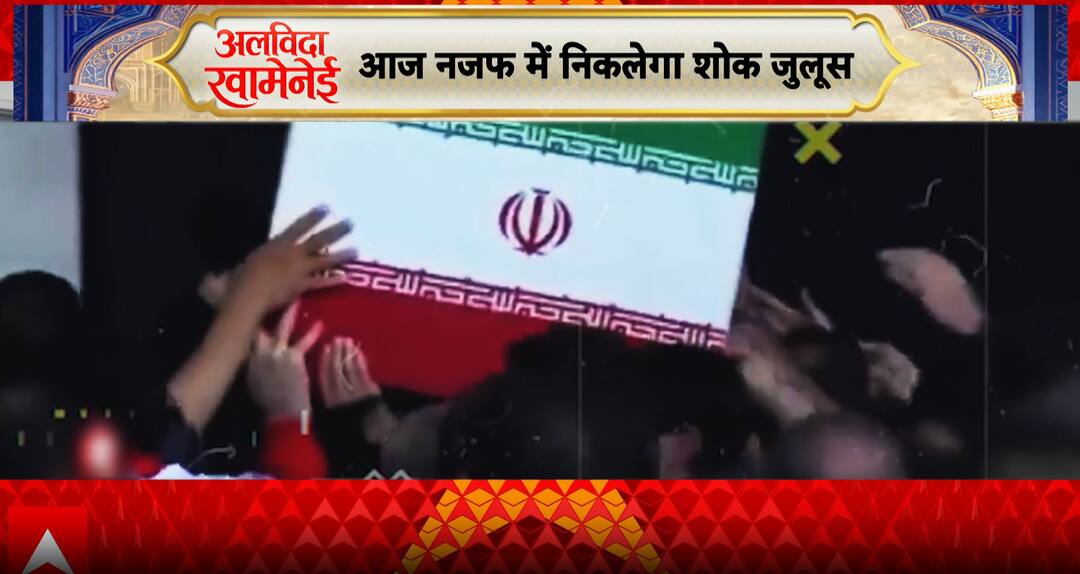
Global Tension: US-Iran Frictions Deepen as Regional Security Concerns Rise During State Funeral
Previous article

Next article
