


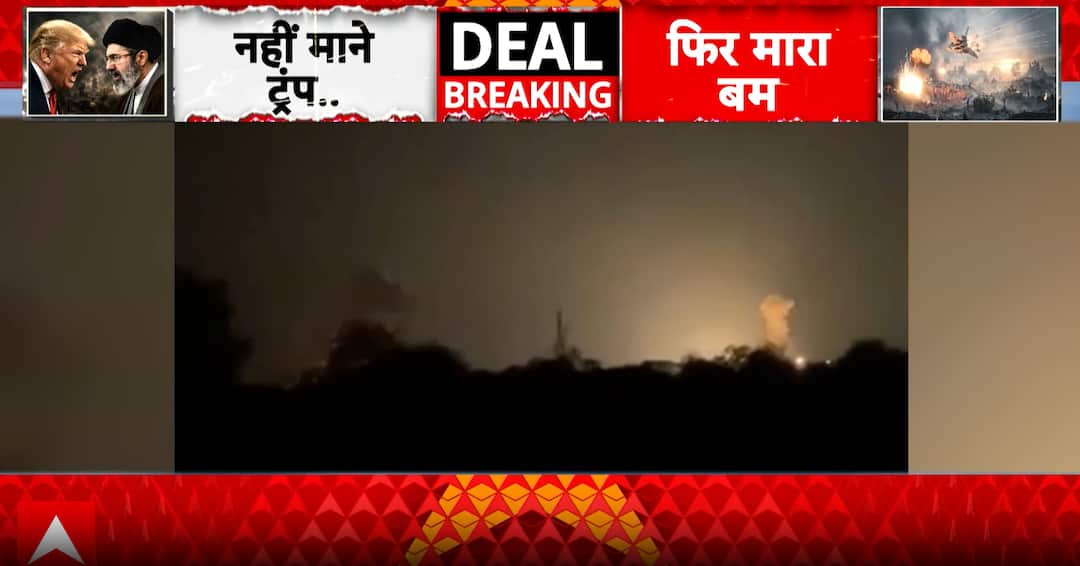
Tensions in the Gulf region have intensified as reports claim that recent US military operations targeted several strategic Iranian assets, including air defense systems, anti-ship missile facilities, drone launch locations, and fast attack boats linked to Iran’s Islamic Revolutionary Guard Corps. According to reports cited by US media, the strikes focused on areas near the Strait of Hormuz, including Qeshm Island, Sirik, and Bandar Abbas. The reported operation has drawn global attention because of the strategic importance of the Strait of Hormuz, a key maritime route for international energy shipments. Analysts are examining whether the latest developments could trigger a wider confrontation between Washington and Tehran or remain limited to targeted military actions. Reports suggest that the US action followed allegations involving attacks on commercial vessels in the region. The situation has raised questions over maritime security, regional alliances, and the future of diplomatic efforts between the two sides. Security experts believe the impact of such operations extends beyond immediate military targets, as damage to defense infrastructure and missile capabilities could influence the balance of power in the Gulf. At the same time, concerns are growing over possible responses from Iran and the risk of further escalation. The developments come amid renewed diplomatic uncertainty, with international observers closely monitoring statements from Washington, Tehran, and regional partners. Energy markets, shipping companies, and governments worldwide are watching the situation due to the potential consequences for global trade and security. As more details emerge, the focus remains on whether both sides move toward de-escalation or whether continued military exchanges could push the region into a deeper crisis. Further official confirmations and assessments are expected to shape the understanding of the latest developments.

Global Defense Watch: Reported US Strikes Target Iran Assets, Raising Fears of Wider Gulf Conflict
Previous article
Next article
