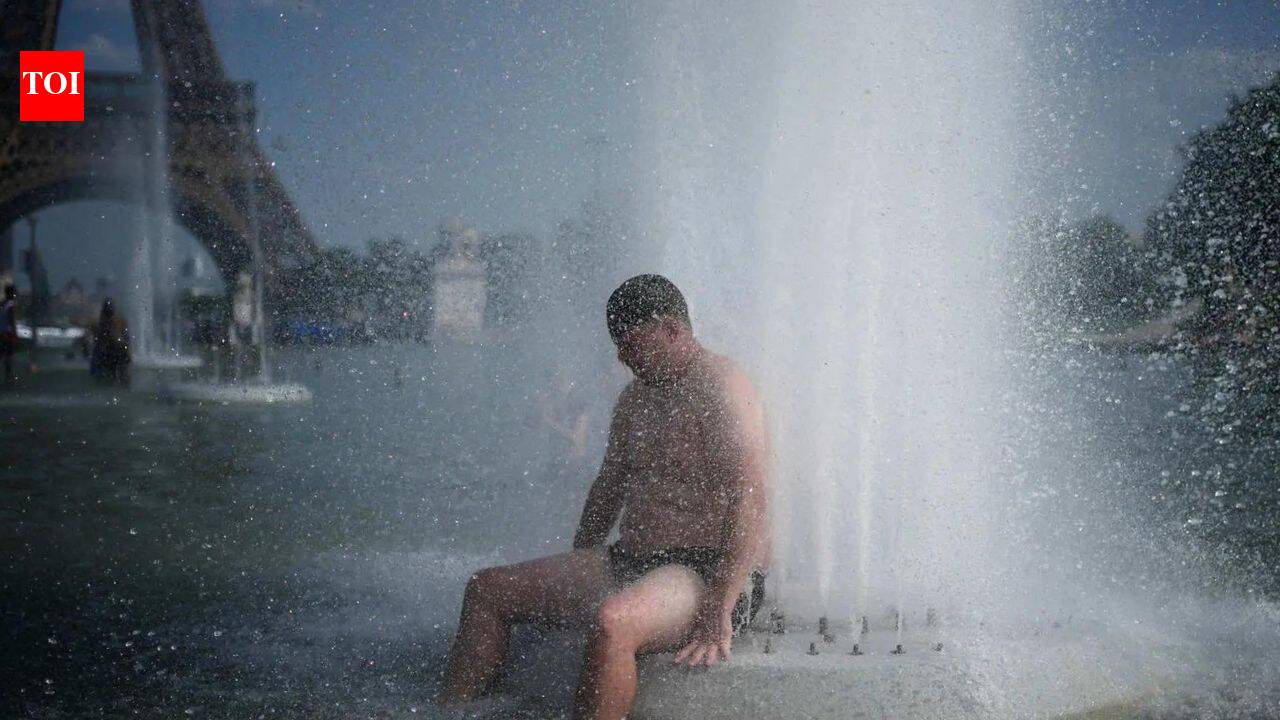

A gruelling heatwave has embroiled France, leading to 55 deaths through drowning.
The drowning death toll in France has risen to 55 since the heatwave began on June 18, with Sports Minister Marina Ferrari warning that the situation “may worsen” as record temperatures continue to grip the country.”Yesterday evening we were at 55, but we fear that the situation may worsen,” Ferrari told broadcaster franceinfo.French Prime Minister Sébastien Lecornu stated during an inter-ministerial crisis meeting that “the majority of deaths caused by the heatwave since the 18th have been young people.” While officials did not disclose specific details regarding locations, causes or ages, French authorities estimate that most accidents occurred while swimming in unauthorised locations to escape the heat.Among the latest reported tragedies were a 13-year-old girl who drowned in the River Seine and several young individuals pulled from dangerous stretches of the River Rhône near Lyon.”Swimming in unsupervised areas is not something to be taken lightly. We understand the desperate need to cool off, but doing so in unauthorised zones is putting lives at immediate risk,” Sports and Youth Minister Marina Ferrari said.
Paris bans public drinking, warns hospitals near ‘saturation’
Paris police prefect Patrice Faure announced a ban on alcohol consumption in public spaces from noon Friday, warning that hospitals were nearing “saturation.””We are reaching a point of saturation in hospitals,” Faure said at a press briefing. “My duty is to ensure that the system does not become paralyzed.”The decree, published Thursday evening, prohibits alcohol consumption from noon Friday until 7am Saturday, and from noon Saturday until 7am Sunday. The sale of alcohol for takeaway or from specialized shops is banned from 6pm onwards. Restaurants and bars are not affected.Faure said the Pride March on Saturday and the Solidays festival, which begins Friday, could be cancelled by decree. “My hand will not tremble when it comes to choosing and deciding,” he said.
Zinc roofs turn dream into nightmare
The unrelenting heatwave has turned the iconic zinc roofs of Paris into a health hazard for people living directly underneath in cramped attic dwellings that retain searing heat.About three-quarters of Paris rooftops use sheets of zinc as covering. But as a metal, zinc absorbs and conducts heat. A study of the record-breaking 2003 heatwave blamed for 15,000 heat-related deaths found that living in a Paris attic room directly under the roof increased the risk of death by more than fourfold, France’s public health agency said.Researchers who studied heat-related deaths in European cities for a study published in The Lancet Planetary Health journal in 2023 found that Paris had the highest risks of heat-related deaths out of 30 European capitals.”People find the rooftops of Paris charming. There’s the image of the attic room. But in reality, when you look at who lives in these apartments, it’s often students paying a great deal of money for a small room,” said Maider Olivier with The Foundation for Housing for the Disadvantaged campaign group.”Not only are they extremely exposed to heat, but it’s also impossible to create cross-ventilation to get rid of the heat at night.”Olivier said zoning regulations intended to preserve Paris’ character hinder efforts to adapt housing to extreme heat. “These regulations which protect the rooftops of Paris do not protect the people who live beneath those rooftops,” she said.
Why are people going outdoors?
France’s stone buildings, distributed across major cities like Paris, act as heat-absorbing “saunas” throughout the day. The majority of historically significant buildings, such as Notre-Dame Cathedral and the Louvre Museum, are made of stone. Additionally, only 25 per cent of French households have air conditioning, driving people outdoors to seek relief.The accessibility of swimming spots like the Seine River and Canal Saint-Martin, located within the city centre, also plays a role.There are also concerns that suddenly jumping into cold water during a heatwave can cause cold water shock, leading to casualties. The UK Met Office urged caution, stating: “Even if the weather is hot, the water remains cold, and entering it without warning can cause cold water shock, increasing respiration and heart rate and inducing panic.” Cold water shock can occur when water temperatures are below 15°C.
Heatwave peak and records
Thursday marked the peak of the heatwave that has gripped the country for a week, with 72 departments under red alert. France recorded its highest national thermal indicator for overnight temperatures since records began in 1947, leaving residents with virtually no nighttime respite.Power grids have faced immense strain, forcing the temporary shutdown of the Golfech nuclear power plant due to elevated river temperatures. Major cultural landmarks, including the Eiffel Tower and the Louvre, have adjusted or shortened operating hours.France’s Public Health Agency operates a “drowning surveillance system” during the summer months. From June to September last year, there were 1,418 water-related accidents in France, of which 409 cases (29 per cent) resulted in deaths. Drowning accidents in rivers, lakes and similar locations accounted for half of all incidents.It is projected that this year’s record heatwave will lead to an increase in drowning deaths compared to last year. Go to Source