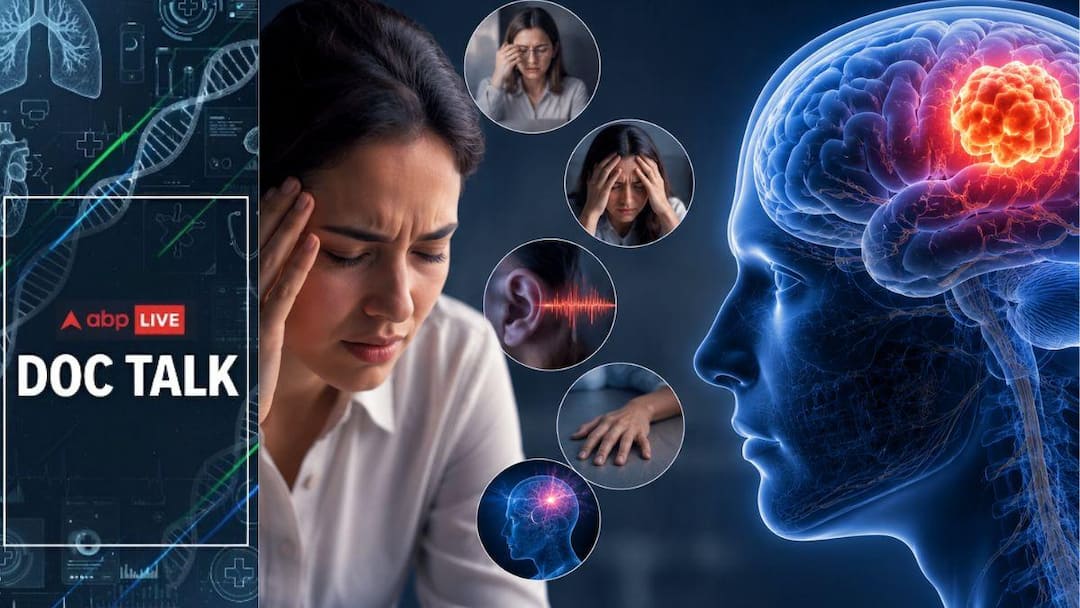

- Vision, speech, balance issues can signal brain tumour.
- Persistent, morning headaches with nausea need medical check.
- New seizures, memory slips, personality changes require evaluation.
- Brain tumours affect all ages; not all are cancerous.
Brain tumours can throw a person’s entire life off balance. The tricky part is that the early signs don’t really announce themselves, but knowing what to watch for can be the difference between catching something early and missing the window altogether.
Trouble With Vision, Speech, Or Balance
The brain controls so much, which is why symptoms can look different depending on exactly where a tumour is. For some people, it’s blurry or double vision, or a gradual loss of peripheral vision, things creeping in from the sides without them noticing at first. For others, it’s struggling to get words out properly or having a hard time following what someone’s saying. And then there’s balance feeling dizzy, stumbling more than usual, especially if it comes on suddenly or keeps getting worse. None of these should be brushed off.
Weakness, numbness, or loss of control on just one side of the body can point to a tumour pressing on the brain’s motor pathways. Hearing can be affected too; gradual hearing loss or a constant ringing in one ear sometimes signals a tumour near the auditory nerve. Sure, there could be other explanations for all of this. But if it sticks around or gets worse, it needs to be looked at without delay.
ALSO READ | ABP LIVE Doc Talk | Waking up with a headache? Your body may be signalling more than just poor sleep
When A Headache Isn’t Just A Headache
Everyone gets headaches. But there’s one pattern that’s worth paying attention to: headaches that keep coming back, that feel worse first thing in the morning or when you’re lying down, and that regular painkillers just don’t touch. And if these headaches show up alongside nausea or vomiting that has nothing to do with your stomach or something you ate, that’s a sign to get checked out, not wait it out.
ALSO READ | Doc Talk | World Kidney Cancer Day: How Painkillers Are Linked To Kidney Disease And Cancer
If an adult who’s never had a seizure suddenly has one, that’s a big deal, full stop. Sometimes it’s dramatic, a full-body convulsion. Other times, it’s so subtle it’s easy to miss, like a small twitch in one hand or part of the face. Either way, it comes down to the same thing: abnormal electrical activity in the brain. Alongside this, people might start noticing memory slips, trouble staying focused, bouts of confusion, or even a personality that feels different from before. None of this happens overnight; it tends to creep in slowly, but over time, it starts getting in the way of work and everyday life.
Myths That Get In The Way
A few misconceptions keep people from getting diagnosed early. For one, not every brain tumour is cancerous; plenty are benign, though the size and location still matter a lot in terms of how serious they are. Brain tumours also aren’t just an “older person’s problem.” They can happen at any age, and in India, they are among the more common cancers seen in children. And despite what a lot of people believe, there’s still no solid scientific evidence linking mobile phone radiation to brain tumours.
Not every headache or dizzy spell means something is seriously wrong. But symptoms that don’t go away, or that just feel off, shouldn’t be ignored either.
Check out below Health Tools-
Calculate The Age Through Age Calculator