
- India accused Pakistan at UNHRC of state-sponsored terrorism.
- India highlighted PoJK repression, affirmed J&K integral.
- India questioned Indus Treaty benefits, urged internal reforms.
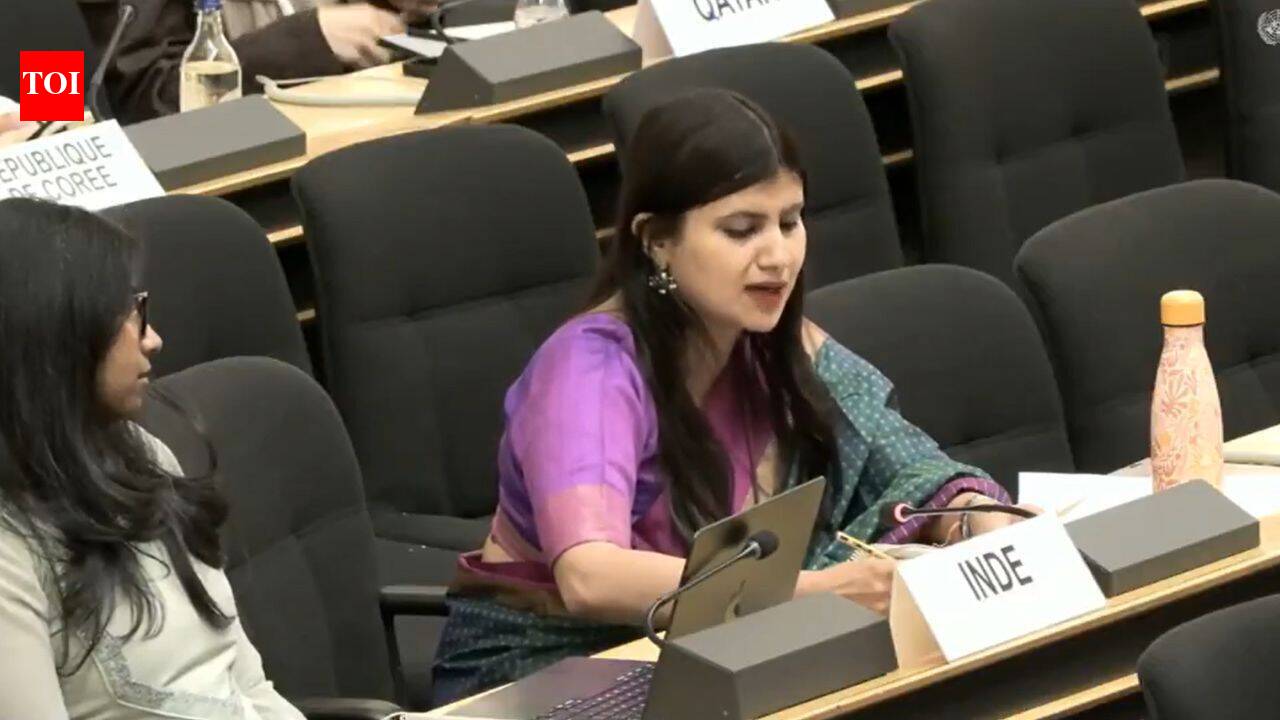
India mounted a strong diplomatic offensive against Pakistan at the United Nations Human Rights Council (UNHRC), accusing Islamabad of supporting terrorism as state policy and suppressing the rights of people living in Pakistan-occupied Jammu and Kashmir (PoJK).
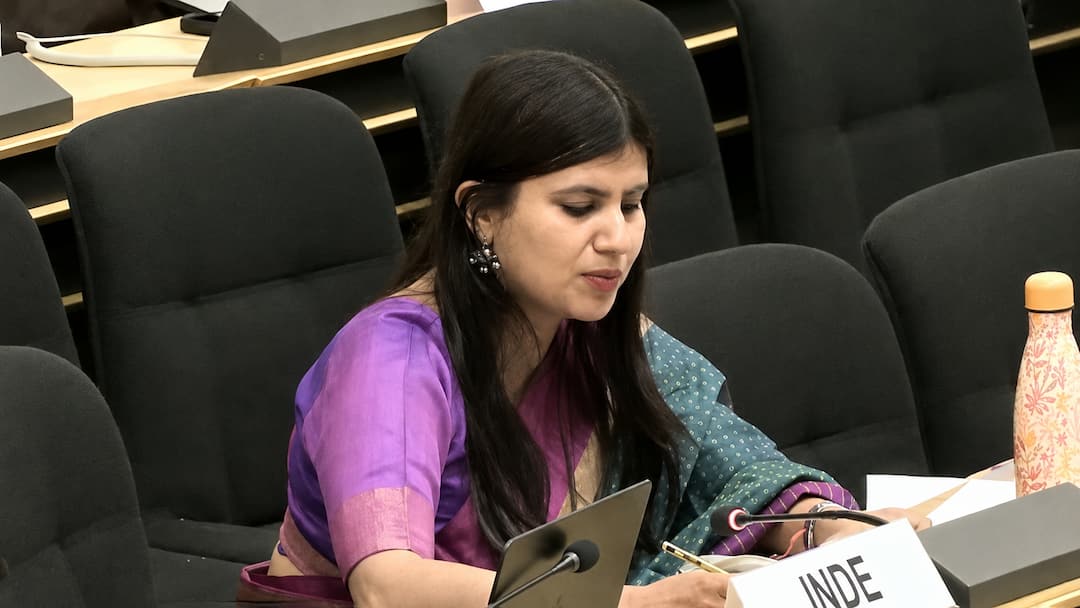
Speaking at the council, Anupama Singh, First Secretary at the Permanent Mission of India to the United Nations, said Pakistan’s actions had undermined its attempts to portray itself as a victim of terrorism. She described the country as a “living example of a Frankenstein state which is shocked when its own monster bites back”.
Her remarks came during a broader intervention in which India raised concerns over terrorism, the situation in PoJK and Pakistan’s stance on the Indus Waters Treaty.
India Accuses Pakistan of Sponsoring Terrorism
Addressing the council, Singh alleged that Pakistan’s Defence Minister had publicly acknowledged the country’s role in “hosting, training and deploying terrorists as state policy”.
She argued that such statements contradicted Pakistan’s efforts to present itself as a victim of terrorism on international platforms.
According to India, the continued use of terrorism as an instrument of state policy has weakened Pakistan’s credibility when discussing regional security and counterterrorism issues.
ALSO READ | Shiv Sena’s Anniversary At 60 Turns Into A Battleground For Legacy: Balasaheb’s Party, Two Claimants
Strong Reiteration of India’s Position on Jammu and Kashmir
Singh also reaffirmed India’s long-standing position on Jammu and Kashmir, stating that the region remains an integral part of the country.
“Jammu and Kashmir was, is and will always remain an integral and inalienable part of India. The only unresolved issue is Pakistan’s illegal occupation of Indian territories and their return,” she said.
The statement underscored New Delhi’s position that the status of Jammu and Kashmir is not open to negotiation and that concerns remain focused on territories under Pakistan’s control.
Allegations of Repression in Pakistan-Occupied Jammu and Kashmir
During her address, Singh accused Pakistan of attempting to mask conditions in PoJK through propaganda while ignoring what she described as widespread repression in the region.
Referring to developments in Rawalakot, she spoke about civilian deaths and security crackdowns, alleging that local populations continue to face restrictions on basic rights and freedoms.
She further claimed that decades of military land acquisition, demographic changes and limitations on civil liberties had created deep dissatisfaction among residents.
“Decades of military land grabs, demographic engineering and the denial of basic freedoms have brought matters to a point where even demand for bread, electricity, rights and dignity are met with bullets and brutality,” she said.
ALSO READ | Five Indian Teenagers Arrested In Nepal After Alleged Kidnapping Of Minor Sparks Concern
Indus Waters Treaty Also Comes Under Focus
India also used the forum to reiterate its position on the Indus Waters Treaty, arguing that cooperation agreements must be viewed in the context of broader bilateral relations.
Singh said it was contradictory for a country accused of exporting terrorism to simultaneously seek the benefits of cooperation founded on goodwill and friendship.
She also argued that the 1960 treaty could not remain unchanged indefinitely, saying the agreement should be viewed in light of the significant political, economic and environmental changes that have taken place over the last six decades.
India Urges Pakistan to Focus on Internal Challenges
Concluding her remarks, Singh urged Pakistan to address its domestic issues instead of focusing on claims regarding Indian territory.
“Instead of coveting Indian territories, Pakistan would serve itself and its people far better by putting its own house in order,” she said.
She also criticised what she described as Pakistan’s recurring interventions at the UNHRC, saying such actions had lost their impact over time.
The exchange marked another chapter in the long-running diplomatic sparring between the two neighbours, with issues relating to terrorism, Kashmir and regional cooperation continuing to dominate their engagement at international forums.