
- Iran demands release of $24 billion frozen assets.
- US hesitant on assets; Iran warns wider military operations.
- Trump-Khamenei meeting dismissed; Iran questions future deal.
A potential peace agreement between the United States and Iran remains stalled, with Tehran insisting that the Trump administration release $24 billion in frozen Iranian assets as a key confidence-building measure, a senior Iranian official told CNN.
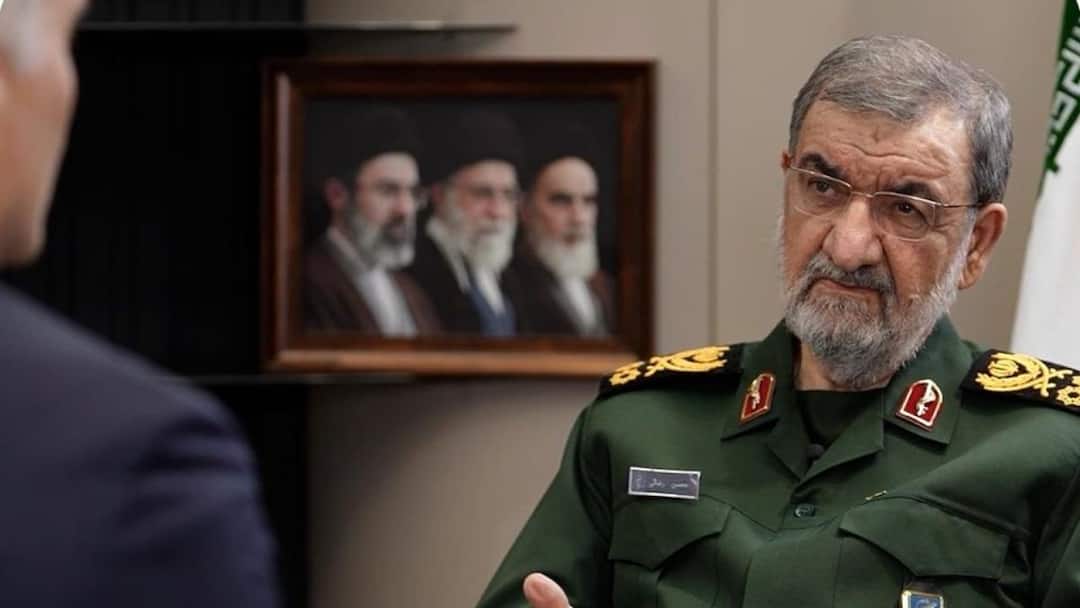
“The negotiations are at a deadlock and Trump must break this deadlock,” Mohsen Rezaei, a military adviser to Supreme Leader Ayatollah Mojtaba Khamenei, said in an interview in Tehran. “The ball is in Trump’s court.”
According to Rezaei, Iran wants $12 billion in frozen funds released immediately after an interim agreement is signed, with the remaining $12 billion to follow later. He described the move as a test of Washington’s willingness to build trust, stressing that the money belongs to Iran.
US officials, however, are reportedly wary of releasing the funds at this stage, fearing it would weaken a major source of leverage over Tehran. President Donald Trump has also repeatedly argued that any future deal must be tougher than the 2015 nuclear agreement.
Tehran Warns Against Renewed Conflict
In the interview, Rezaei outlined Tehran’s position on several key issues, including regional security, future negotiations and the possibility of renewed conflict.
Warning against any return to war, he said Iran would expand the scope of military operations beyond the Persian Gulf if attacked again. Rezaei claimed Tehran could target additional US interests across a wider region stretching from the Strait of Hormuz and the Indian Ocean to the Red Sea and the Mediterranean, while adding that the likelihood of war remained low.
No Trump-Khamenei Meeting On Table
He also dismissed the possibility of a meeting between Trump and Khamenei, saying negotiations had stalled and such an encounter was not under consideration.
Strait Of Hormuz And Regional Security
On the Strait of Hormuz, Rezaei reiterated Iran’s long-standing position that it shares responsibility for managing the strategic waterway with Oman. He suggested that vessels using the route could be required to pay maintenance-related fees, though he rejected characterising them as transit tolls.
Rezaei’s Influence In Iran’s Security Establishment
A veteran of the Iran-Iraq War and former commander of the Islamic Revolutionary Guard Corps (IRGC), Rezaei remains an influential figure within Iran’s security establishment. He has also served on the Expediency Council and held a vice-presidential role under former president Ebrahim Raisi.
Doubts Over Any Future Nuclear Deal
Reflecting on the recent 40-day conflict involving Iran, the United States and Israel, Rezaei questioned the durability of any future agreement with Washington, citing Trump’s withdrawal from the 2015 nuclear deal during his first term.
He also warned that Iran was prepared for the possibility of a US ground invasion, arguing that the country’s conventional military capabilities extend far beyond its missile arsenal.
Claims Of Historic Victory
Rezaei further described the recent conflict as a historic success for the Islamic Republic, claiming it marked the first time Iran had emerged victorious from a war in its modern history.