
Growth figures say Canada has slipped into what many experts would call a technical recession.
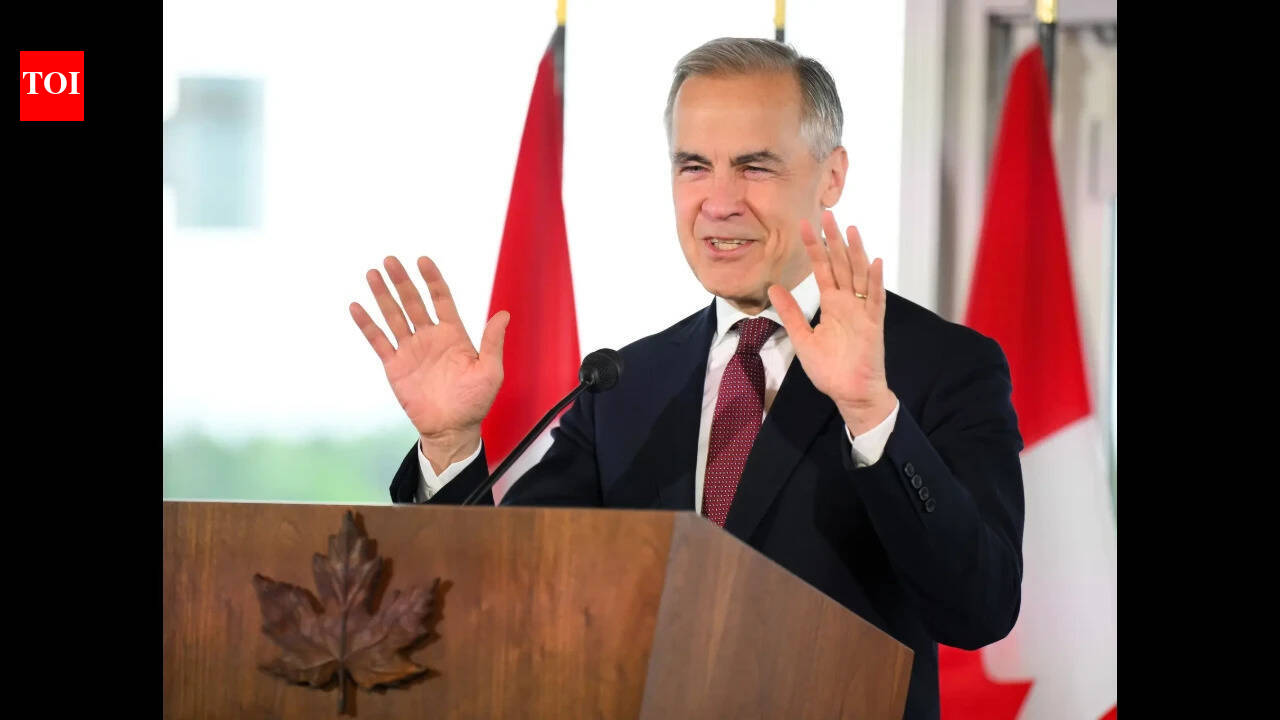
Canada entered into what many experts would call a technical recession after it reported two consecutive quarters of contraction in economic growth. Statistics Canada said real gross domestic product fell 0.1 per cent on an annualized basis in the first three months of this year. That comes after a downwardly revised contraction of one per cent in the fourth quarter of 2025.The last time Canada was in a technical recession was during the start of the pandemic in 2020. Before that, it was during the oil shock at the beginning of 2015.Opposition leader Pierre Poilievre slammed Prime Minister Mark Carney and said he is the only leader in the G7 who led his country into a recession. All other G7 countries face the same tariff and problems but none has slipped into a recession.”Excuses, speeches, buzzwords, and signing ceremonies do not grow the economy,” he said.”Mark Carney is the ONLY leader in the G7 to lead his economy into a RECESSION. All other G7 countries face the same tariff and global problems, yet none are in a recession…Canada is the only G7 country in recession because of Carney Liberals hiking industrial carbon taxes, kept anti-development laws, and doubling Trudeau’s deficit,” Poilievre added.
What does a technical recession mean for Canada?
There is a debate over whether the situation can be called a technical recession or not, as the first quarter GDP was unchanged against a decline in the fourth quarter of last year. BMP Capital Markets chief economist Douglas Porter said the difference between the annualized and non-annualized figures makes room for the debate on whether this can be called a technical recession. The dip in the first quarter has been very small and can be easily revised, he said. April’s growth of 0.4 per cent also offers a major glimmer of hope.”It’s quite possible this, you know, could be a statistical mirage. But what I don’t think is a debate is that we’ve basically seen the next to no growth over the past year,” Porter told CBC News. The Bank of Canada has said that the growth this year is likely to be at 1.2 per cent, down from 1.7 per cent last year. It will update its projections in July.