
PC: SBS
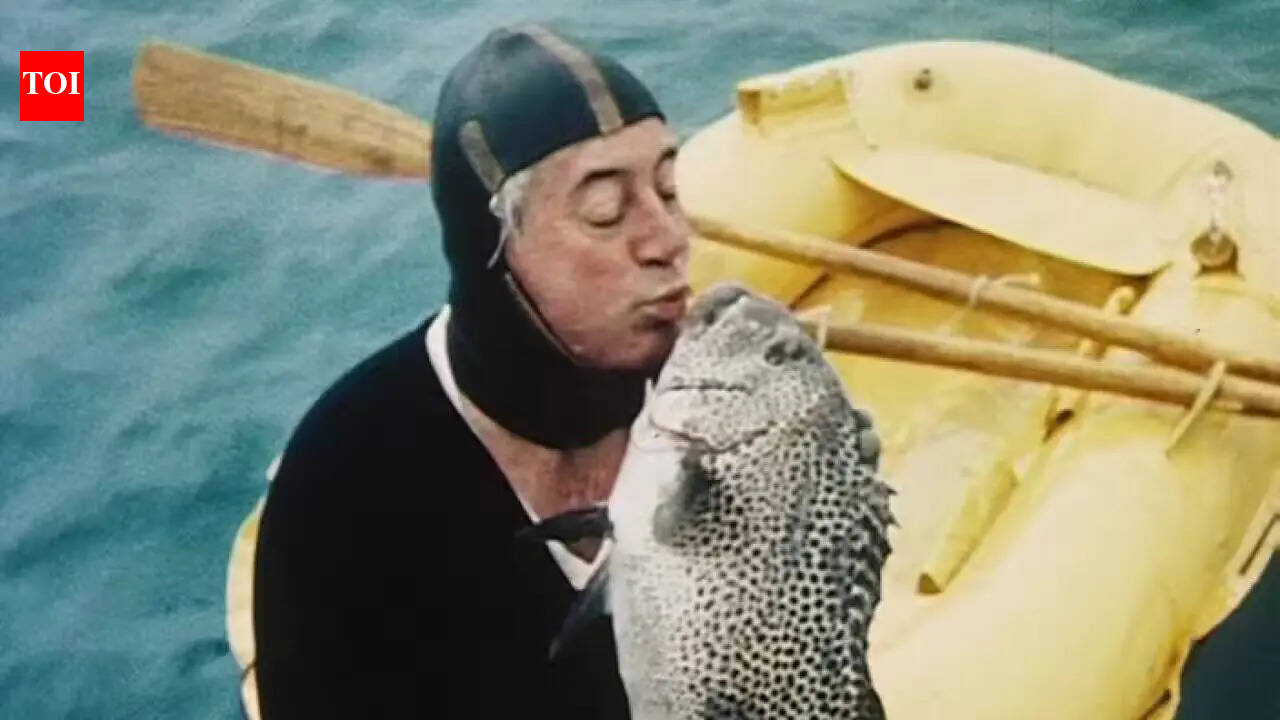
In December 1967, a routine swim along the Victorian coastline turned into one of Australia’s most unsettling political mysteries. The prime minister of the day, Harold Edward Holt, had been enjoying a familiar stretch of sea at Cheviot Beach near Portsea when he vanished without warning. There was no dramatic scene, no immediate trace, and no clear explanation in the hours that followed. What remained instead was silence, broken only by frantic searches and growing disbelief in Canberra and beyond. Even decades later, the circumstances of the Harold Holt disappearance continue to draw questions, with Cheviot Beach 1967 often revisited by historians, journalists, and those who find it hard to accept how a sitting prime minister could simply be gone.
Cheviot Beach disappearance 1967 and the final swim that changed everything
As reported by NAA, on 17 December 1967, Holt travelled to Cheviot Beach near Portsea in Victoria, a place he reportedly knew well and had visited before. The conditions that day, however, were not calm. Witness accounts and later reports suggest strong winds and rough seas, with currents that could shift quickly along that stretch of coastline.He entered the water for a swim and was not seen returning. The moment itself was not dramatic in any public sense. There were no crowds, no immediate alarm bells that suggested something extraordinary was unfolding. But within a short time, concern grew when he failed to reappear.Search efforts began quickly, involving local authorities and naval support. The shoreline and surrounding waters were combed extensively. Despite these efforts, nobody was ever recovered. The absence of physical evidence only deepened confusion, leaving officials and the public with an unsettling gap where answers should have been.
Harold Holt investigation findings and unanswered questions after Cheviot Beach Disappearance
In the weeks that followed, a joint review by Commonwealth authorities and Victoria Police attempted to reconstruct Holt’s final movements. The findings, later submitted in early 1968, leaned towards an accidental drowning in difficult sea conditions. It was suggested that the combination of strong surf, rip currents, and visibility challenges might have overwhelmed even an experienced swimmer.There were also practical explanations considered. The possibility of the body being carried further out to sea, or becoming trapped in underwater rock formations, was raised. Some speculation even extended to marine interference, though nothing concrete was established.Importantly, no formal evidence of foul play emerged. The government at the time did not launch a public inquiry, appearing satisfied with the police assessment that the disappearance was accidental. Still, the lack of closure meant that questions lingered well beyond the official paperwork.
Harold Holt disappearance aftermath and political transition in canberra
The political impact of Holt’s disappearance was immediate. With the prime minister missing and later presumed dead, Australia entered a period of constitutional uncertainty. John McEwen stepped in as caretaker leader, guiding the country through the transition while the Liberal Party searched for a new head.Behind the scenes, discussions around succession moved quickly. The absence of a body, however, made the situation feel unresolved in a deeply personal way for colleagues and the public alike. Memorial services were held, and official mourning followed, but the sense of incompletion never fully faded.Even inside government records, including briefcase contents and police reconstructions of the Cheviot Beach conditions, there is a sense of trying to piece together something that slipped away too fast to fully capture.
Harold Holt political rise from Sydney to Australian Prime Ministership
Before the day at Cheviot Beach, Holt had already spent decades inside Australia’s political machinery. Born in Sydney in 1908, he entered federal politics in the mid-1930s and steadily climbed through ministerial ranks. His career took a decisive turn after the long leadership of Sir Robert Menzies, also a towering figure in the Liberal Party, when Holt stepped into the role of prime minister in January 1966 according to NAA reports.His time in office was marked by strong alignment with the United States, particularly over the Vietnam War, a position that shaped his public image and election success later that year. Supporters saw him as steady and pragmatic, while critics viewed his stance as closely tied to foreign policy pressures. Either way, his leadership was very much active and visible right up until the end of 1967, when his routine and public duties were interrupted in the most unexpected way.
Legacy of the Harold Holt disappearance
Today, the Harold Holt disappearance remains one of the most unusual chapters in Australian political history. Cheviot Beach is still referenced in accounts of that period, often framed as a place where routine and unpredictability collided without warning.The official conclusion points towards accident, shaped by weather and ocean conditions that can change within minutes. Yet the absence of certainty continues to fuel public curiosity. For a sitting prime minister to vanish without recovery is rare anywhere in the world, and that fact alone keeps the story alive. Go to Source