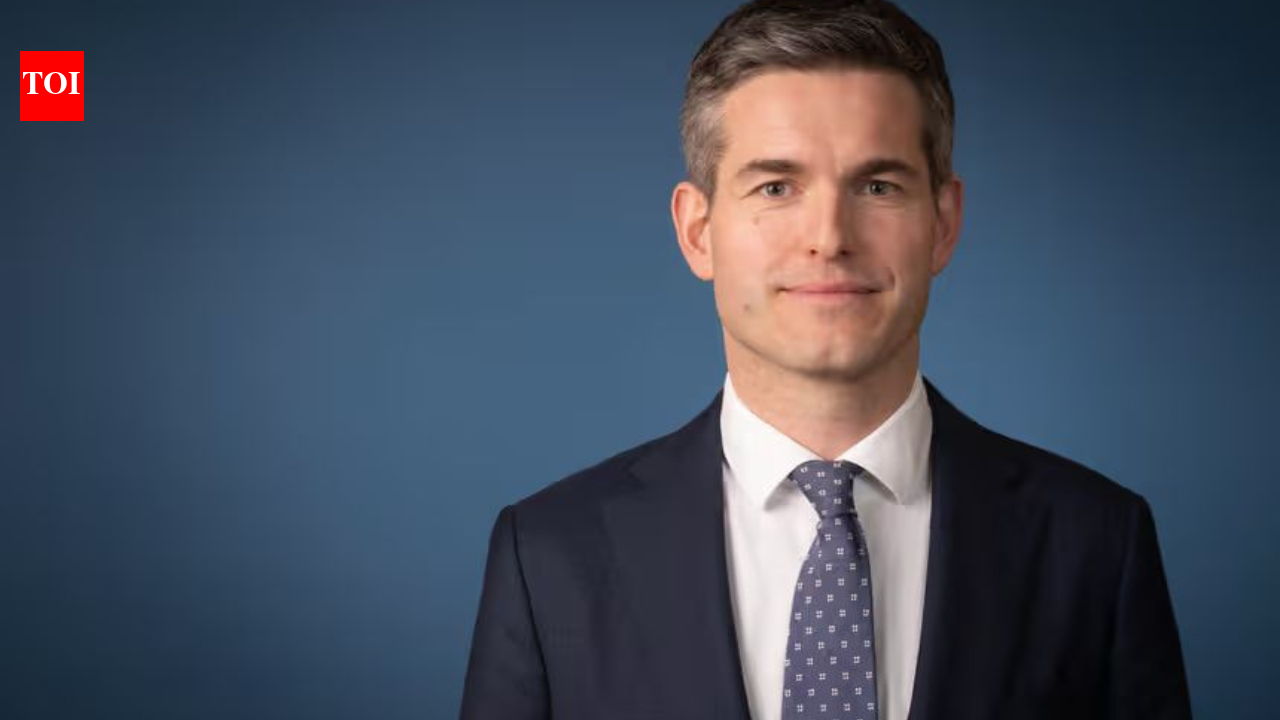

With PM Narendra Modi in The Hague, Dutch foreign minister Tom Berendsen decodes the new India-Netherlands strategic partnership, semiconductor focus and the geopolitical imperative for trust-based ties in an exclusive interview to Sachin Parashar.This is the second visit by PM Modi to the Netherlands and the first since the India-EU FTA was announced. What are the big takeaways you looking at from the visit as one of India’s leading trade partners in Europe? In a world that is becoming increasingly unpredictable, where international tensions are rising and geopolitical relationships are constantly shifting, strategic cooperation is not a luxury, but a necessity. The Netherlands is actively seeking new partnerships outside traditional alliances. One country stands out: India. For the Netherlands, India – as the world’s largest democracy and emerging player in the Indo-Pacific – is a logical and promising partner. Not only in the field of trade, but increasingly as an ally in the field of security and innovation as well. Both our countries want to elevate our cooperation, so we have decided to enter into a strategic partnership focused on trade & investment, security, innovation, and people-to-people ties. By joining forces, we will be better able in the future to ensure our earning capacity and security. The India-EU Free Trade Agreement can unlock even greater cooperation and strengthen supply chains at a time of global uncertainty. The strategic partnership between the Netherlands and India forms a solid basis for jointly finding solutions to the major geopolitical challenges of our time, because by investing purposefully in this relationship both our countries are building a resilient future – based on shared interests, innovation, and strategic trust. Given the focus on the semiconductor partnership, and the global push to build resilient supply chains, how do you propose to further link your advanced semiconductor ecosystem with India’s semiconductor mission and manufacturing expansion? Semiconductors have become central to economic resilience and technological leadership worldwide. The Netherlands has a highly advanced semiconductor ecosystem, while India brings enormous engineering talent, innovation capacity and growing manufacturing ambitions. That is a very powerful combination. Our goal is to build a long-term innovation partnership by connecting universities, research institutes, startups and industry on both sides. There is also a broader strategic logic. Recent global disruptions showed the importance of diversified and trusted supply chains. India’s rise as a semiconductor hub can play a major role in building a more resilient global ecosystem, and the Netherlands has a lot to offer on that journey. The PMs are expected to discuss the current situation both in West Asia and Ukraine. Are you looking at any specific form of cooperation with India to mitigate the effects of these conflicts? For the Netherlands, the Russian war of aggression against Ukraine is the most serious security challenge facing Europe in decades. It is not only a war against Ukraine and its territorial integrity, but a direct challenge to the very principles of sovereignty, international law and the rules-based international order that underpin global stability and are enshrined in the United Nations Charter. The consequences extend far beyond Europe. The war in the Middle East and blockade of the Strait of Hormuz have further reinforced pressures, particularly around maritime security and global trade flows. These wars have disrupted energy markets, food supplies, shipping routes and supply chains worldwide, demonstrating how deeply interconnected today’s economies and security environments have become. In this context, closer cooperation between trusted partners such as India is necessary. Both countries have a strong interest in economic resilience, secure sea lanes and stable global supply chains. We both have a strong interest in the peaceful resolution of disputes and upholding international law. Trusted strategic partnerships are no longer optional; they are essential. And the interests of The Netherlands, the EU and India clearly converge here. There’s focus also on developing defense cooperation as a key pillar of the partnership. Can we expect more frequent joint naval exercises and progress in discussions for tech collaboration, co-development and co-production of defense equipment? Will India’s ties with Russia affect these efforts? The Netherlands and India are exploring possibilities for a deeper and more strategic defense partnership, particularly in the maritime, cyber and technology domains. In the coming years, cooperation is expected to become more operational and technology-driven, including greater naval engagement, maritime exchanges, cybersecurity cooperation and stronger industrial partnerships. In this light, earlier this month a Dutch frigate made a port call to Kochi to strengthen naval to naval ties between India and The Netherlands. There is also a growing understanding across Europe that India is diversifying its defense partnerships and emerging as a major strategic actor in its own right. The Dutch approach is therefore pragmatic and forward-looking: the focus is on expanding areas where Dutch and Indian security interests increasingly converge. How is the Dutch Indo-Pacific strategy aligned with India’s focus on maritime security, freedom of navigation and on promoting a free, open and inclusive region amid Chinese assertiveness? The Netherlands and India increasingly see the Indo-Pacific through the same lens: stability at sea is essential for prosperity on land. As trading nations, both of us depend on open shipping routes, secure supply chains and respect for international maritime law. India plays a pivotal role in the Indo-Pacific, and the Netherlands sees India as a natural strategic partner in maintaining a free, open and inclusive region. That is why we are expanding cooperation in maritime security, cyber resilience, smart ports and naval engagement, including through frameworks such as the Indo-Pacific Oceans Initiative that the Netherlands recently joined as a co-lead of the capacity building pillar. Our approach is not about confrontation. It is about ensuring that all countries can trade freely, connect securely and operate under clear international rules. In today’s geopolitical climate, trusted partnerships matter more than ever. That is why the new Strategic Partnership between our countries is so important. Go to Source