

- Wholesale inflation rose to 3.88% in March, driven by fuel costs.
- Consumer inflation remained moderate at 3.4%, with mixed food trends.
- Precious metals saw significant price surges, especially silver and gold.
India’s inflation trajectory showed signs of firming up in March 2026, with wholesale price inflation rising sharply even as consumer inflation remained relatively contained. The latest data highlights the growing impact of global commodity volatility, particularly crude oil, on domestic price trends.
According to official data, the Wholesale Price Index (WPI)-based inflation rose to 3.88 per cent in March, up from 2.13 per cent in February, marking a notable acceleration on a year-on-year basis, reported IANS.
Fuel Prices Drive Wholesale Inflation Higher
The primary driver behind the rise in wholesale inflation was a sharp increase in fuel and power costs, reflecting global energy market disruptions.
On a month-on-month basis, inflation in the fuel and power segment climbed 4.13 per cent in March. Crude oil and natural gas prices surged by as much as 36.16 per cent during the month, largely due to geopolitical tensions in West Asia.
This surge underscores the vulnerability of India’s inflation outlook to global energy price movements, especially given the country’s heavy dependence on crude oil imports.
However, some relief came from a decline in electricity prices, which fell by 5.07 per cent during the same period, partially offsetting the rise in fuel costs.
Also Read : Akshaya Tritiya 2026: From ETFs To Jewellery, Gold Remains Investors’ Favourite
Manufactured Products See Moderate Increase
Inflation in manufactured products also contributed to the overall uptick, though the rise remained relatively modest.
The WPI for manufactured goods increased by 0.88 per cent month-on-month in March. Of the 22 product categories within this segment, 16 recorded price increases, while six witnessed a decline.
This indicates a broad-based, albeit moderate, rise in input costs across industries, which could eventually translate into higher retail prices if the trend persists.
Food Inflation Remains Stable At Wholesale Level
Food inflation at the wholesale level remained stable during March, offering some cushion against broader price pressures.
WPI food inflation stood at 1.85 per cent year-on-year, unchanged from the corresponding period last year.
The food index, which includes cereals, pulses and manufactured food items, showed a marginal sequential decline compared to February, suggesting that supply conditions for key food items remained relatively stable.
Consumer Inflation Shows Mixed Trends
While wholesale inflation accelerated, consumer price inflation (CPI) remained relatively moderate.
India’s CPI-based inflation stood at 3.4 per cent in March on a year-on-year basis, slightly higher than previous months but still within the Reserve Bank of India’s comfort range.
However, within the CPI basket, there were significant divergences across categories.
Sharp Spike In Precious Metals
Among the standout contributors to inflation were precious metals, which recorded sharp price increases during the month.
Silver jewellery prices surged by an extraordinary 148.61 per cent, while gold jewellery prices rose by 45.92 per cent compared to the same month last year.
These increases reflect strong global demand and safe-haven buying amid geopolitical uncertainty.
Food Prices Show Diverging Trends
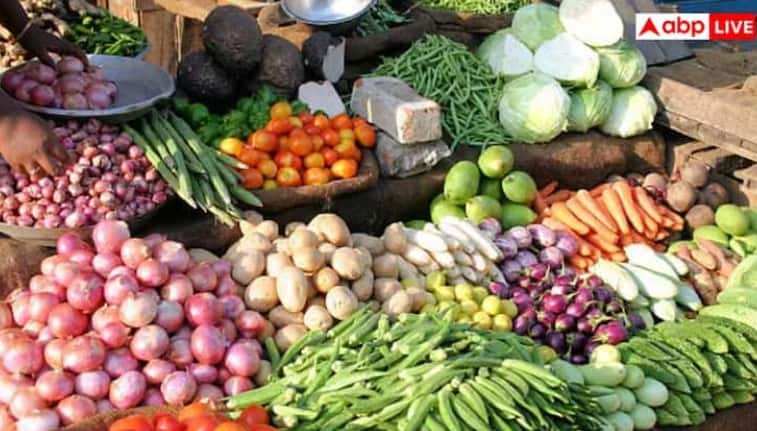
Food inflation at the consumer level stood at 3.87 per cent in March, driven largely by rising vegetable prices.
Vegetables such as tomatoes and cauliflower became more expensive during the month, contributing to the uptick in food inflation.
However, several key staples provided relief. Prices of onion, potato and garlic recorded double-digit declines compared to the previous year. Pulses also turned cheaper, with arhar and tur prices falling by 9.56 per cent and chickpea prices declining by 7.87 per cent.
This divergence highlights the uneven nature of food inflation, where price movements vary significantly across commodities.
Sequential Trend Shows Gradual Uptick
On a sequential basis, CPI inflation has been inching higher in recent months.
Inflation in March was slightly above 3.21 per cent recorded in February and higher than the revised figure of 2.74 per cent in January, when the new CPI series was introduced.
This suggests a gradual firming up of inflation, even though overall levels remain within manageable limits.
Also read : Gold Silver Rate Today (April 15): Check Rates Across Major Cities In India
What This Means For Policy And Markets
The combination of rising wholesale inflation and moderate consumer inflation presents a nuanced picture for policymakers.
While elevated fuel prices could pose risks to inflation in the coming months, the relatively stable CPI reading provides some room for the Reserve Bank of India to maintain a balanced policy stance.
However, any sustained increase in crude oil prices, especially amid ongoing geopolitical tensions, could feed into broader inflationary pressures and influence future monetary policy decisions.


