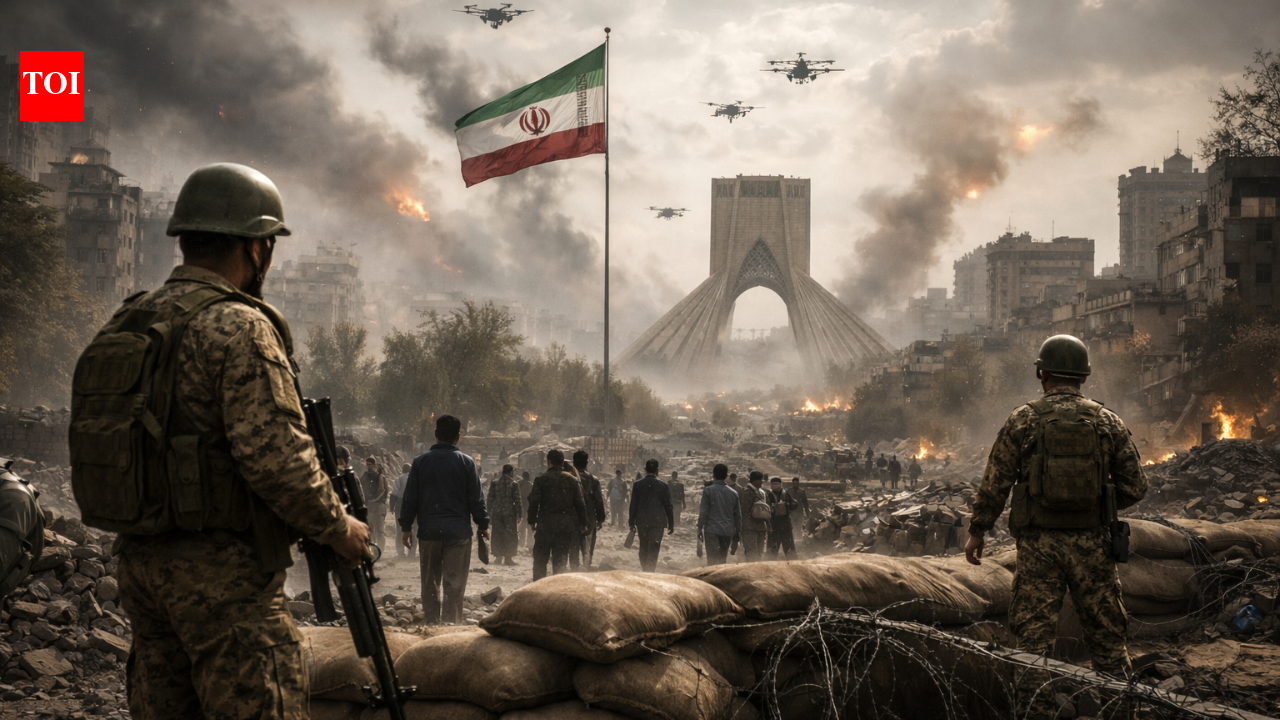
- Iran asserts navigation control in Strait of Hormuz amid ceasefire.
- New routes issued near Iran, citing mine threats.
- Proposed transit fees face international opposition and legal questions.
The Strait of Hormuz has come under intense global scrutiny since the outbreak of hostilities involving Israel, the United States and Iran in February. This narrow maritime corridor, vital for the transit of nearly 20 per cent of the world’s oil and liquefied natural gas, has long functioned as a secure, toll-free route for international shipping. However, recent military tensions and ceasefire arrangements have raised fresh concerns over navigation, control and potential disruptions in one of the world’s most critical energy chokepoints.
Iran’s Strait of Hormuz protocol effectively places navigation under its supervision during the ceasefire, requiring vessels to follow designated routes issued by its armed forces and potentially comply with new transit conditions, including proposed fees. While Tehran frames this as a safety measure amid mine threats and regional tensions, the approach has faced resistance. Countries such as Oman have rejected any toll mechanism, and critics argue it violates international maritime law. Major powers, including the United States, are unlikely to accept long-term restrictions, though shipping firms may temporarily comply to avoid delays, signalling limited global acceptance of Iran’s framework.
Control And Navigation Shift
Control over the strait remains contested in practical terms. Iran has asserted operational influence during the ceasefire, with Foreign Minister Abbas Aragchi stating that safe passage would be coordinated with its armed forces. The Islamic Revolutionary Guard Corps has issued a revised navigation map directing vessels closer to Iran’s coastline, citing risks of anti-ship mines in traditional shipping lanes near Oman.
While the United States has indicated a monitoring presence, with Donald Trump claiming American forces would remain nearby to ensure the strait stays “open and safe”, the extent of US operational control remains unclear.
Toll Debate & Legal Questions
Iran is reportedly considering imposing transit fees, with proposals ranging from $1 per barrel of oil to as much as $2 million per vessel, potentially shared with Oman. However, Oman has rejected the idea, citing its commitments under international maritime agreements.
Critics argue such tolls would breach the United Nations Convention on the Law of the Sea, which prohibits charges on vessels passing through international straits. Tehran, meanwhile, views the potential revenue as a means to rebuild infrastructure damaged during recent strikes.
Global Stakes & Likely Response
Any disruption or additional cost in the strait is expected to have far-reaching consequences. Gulf nations have already called for unrestricted navigation, while a proposed resolution at the United Nations Security Council to ensure reopening of the passage was vetoed by Russia and China.
Despite opposition from major powers, analysts suggest shipping companies may temporarily comply with Iranian directives to avoid costly delays. With negotiations ongoing, the situation remains fluid, underscoring the strait’s central role in global energy security.