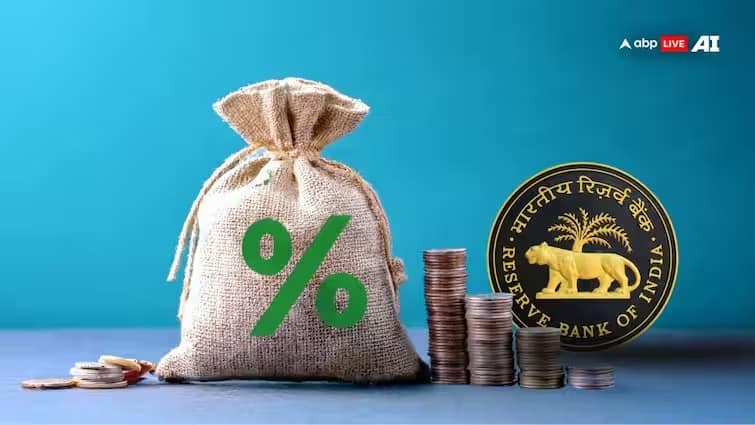

The Reserve Bank of India has kept the repo rate unchanged at 5.25 per cent in its April 2026 policy. The central bank has also maintained a neutral stance, signalling that future moves will depend on how inflation and growth evolve. For consumers, this means no immediate change in loan EMIs or fixed deposit returns.
Reasons for the repo pause
The decision reflects a cautious approach. Inflation remains below the 4 per cent target at present, but risks have increased due to global developments, especially the ongoing West Asia conflict, which has pushed up energy prices and created supply disruptions.
At the same time, the Indian economy remains resilient. The RBI has projected GDP growth at 6.9 per cent for FY27 and inflation at 4.6 per cent, while also highlighting upside risks from energy prices and weather-related factors. In this situation, the RBI has chosen to wait and assess the impact of earlier rate cuts before taking further action.
What this means for your loan EMIs
If you have a floating-rate home loan, your EMI is unlikely to change immediately. Since the repo rate is unchanged, banks are not expected to revise lending rates in the near term. However, borrowers have already benefited from earlier rate cuts. If your loan is linked to the repo rate, your EMI may have reduced or your tenure may have shortened. If you are on an older benchmark such as MCLR, the benefit may not be fully passed on. This is a good time to review your loan and consider switching to a repo-linked option if it lowers your cost.
Fixed deposits likely to remain steady
For depositors, the rate pause means stability. FD rates are likely to remain broadly unchanged in the near term. With the rate cycle having softened earlier, banks are unlikely to raise deposit rates meaningfully from current levels. If you are planning to invest in fixed deposits, this may be a reasonable time to lock in available rates, especially if rates gradually soften going ahead.
What should you do now?
A steady-rate environment brings predictability. Loan costs are stable, but they are not falling further for now. If you are planning a loan, it is better to base your decision on current rates rather than wait for cuts. At the same time, global risks and higher energy prices may keep inflation uncertain. This makes budgeting and maintaining an emergency buffer important.
Overall, the April 2026 policy highlights a wait-and-watch phase. Rates have stabilised, but the outlook remains uncertain. Staying flexible and reviewing your financial decisions regularly will help you navigate this environment better.
(The author is CEO, BankBazaar.com. This article has been published as part of a special arrangement with BankBazaar)