
Last Updated:
Mehendi is a symbol of beauty and tradition in Indian weddings and festivals. But where did it come from, and who introduced it to India? Here’s a look at its origins.



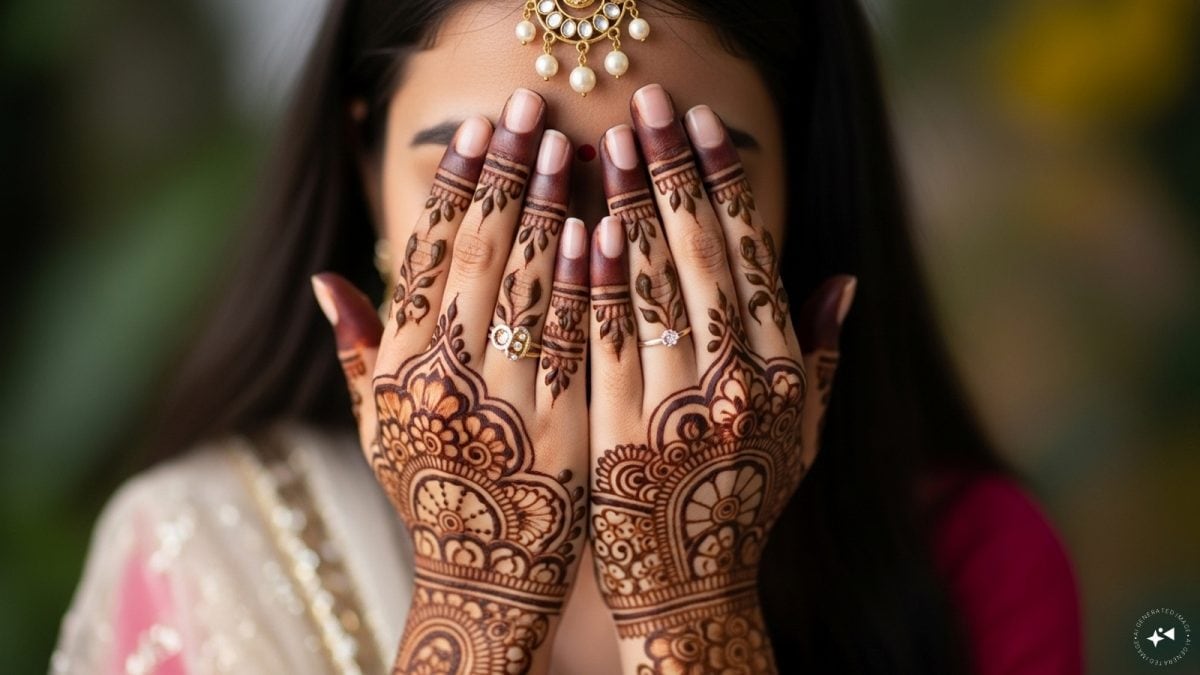
Mehendi, rooted in the Sanskrit ‘mendhika’, symbolises joy, good luck, beauty and tradition in Indian weddings and festivals. (AI Generated)
Mehendi holds a special place in Indian culture, symbolising good fortune and beauty. Indian weddings are incomplete without the adornment of the bride’s hands and feet with intricate mehendi designs. It is far more than mere decoration; it is a tradition steeped in auspicious beliefs.
Beyond weddings, women eagerly apply mehendi during festivals such as Teej, Karva Chauth, Diwali, and Eid‑related celebrations, bringing a rich fragrance, deep hue, and a sense of joyous festivity. The rich colour and fragrance of mehendi not only enhance one’s appearance but also signify joy and celebration. This ancient heritage remains an integral part of Indian customs and festivals.
Recommended Stories
Origins And Botanical Details
Known as henna in English and hinna in Arabic, the word ‘mehendi’ derives from the Sanskrit term ‘mendhika’. The mehndi plant thrives in tropical climates across Africa, Northern Australia, and Southern Asia. Its leaves contain a natural dye called lawsone, which binds with keratin in the skin, hair, and nails to impart a temporary reddish-orange tint.
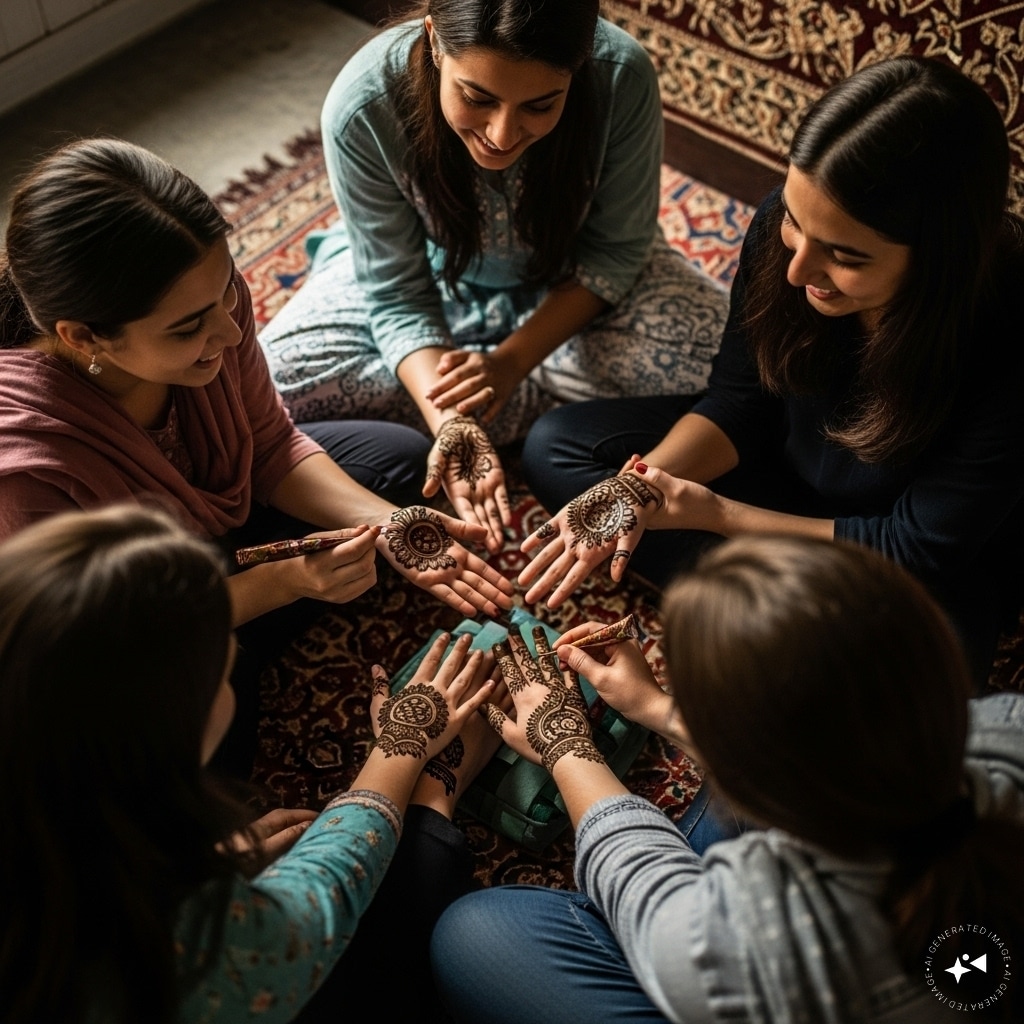
This natural accessibility made mehendi a popular form of body art across all social classes.
Historical Background
Mehendi has been used for body decoration for thousands of years. Evidence of its use appears in ancient Indian texts and artwork, as well as in other parts of the world.
Historically, it has been associated with various cultures, including those of the Middle East and North Africa. In India, mehendi designs became especially prominent during the Mughal era, as seen in paintings depicting women adorned with mehndi on their hands and palms.
Traditions And Age-Old Beliefs
Mehendi forms part of the Solah Shringar, the sixteen adornments preparing a bride for married life. It is believed to bring good luck, happiness, and beauty, with the fragrant paste said to have aphrodisiac qualities.
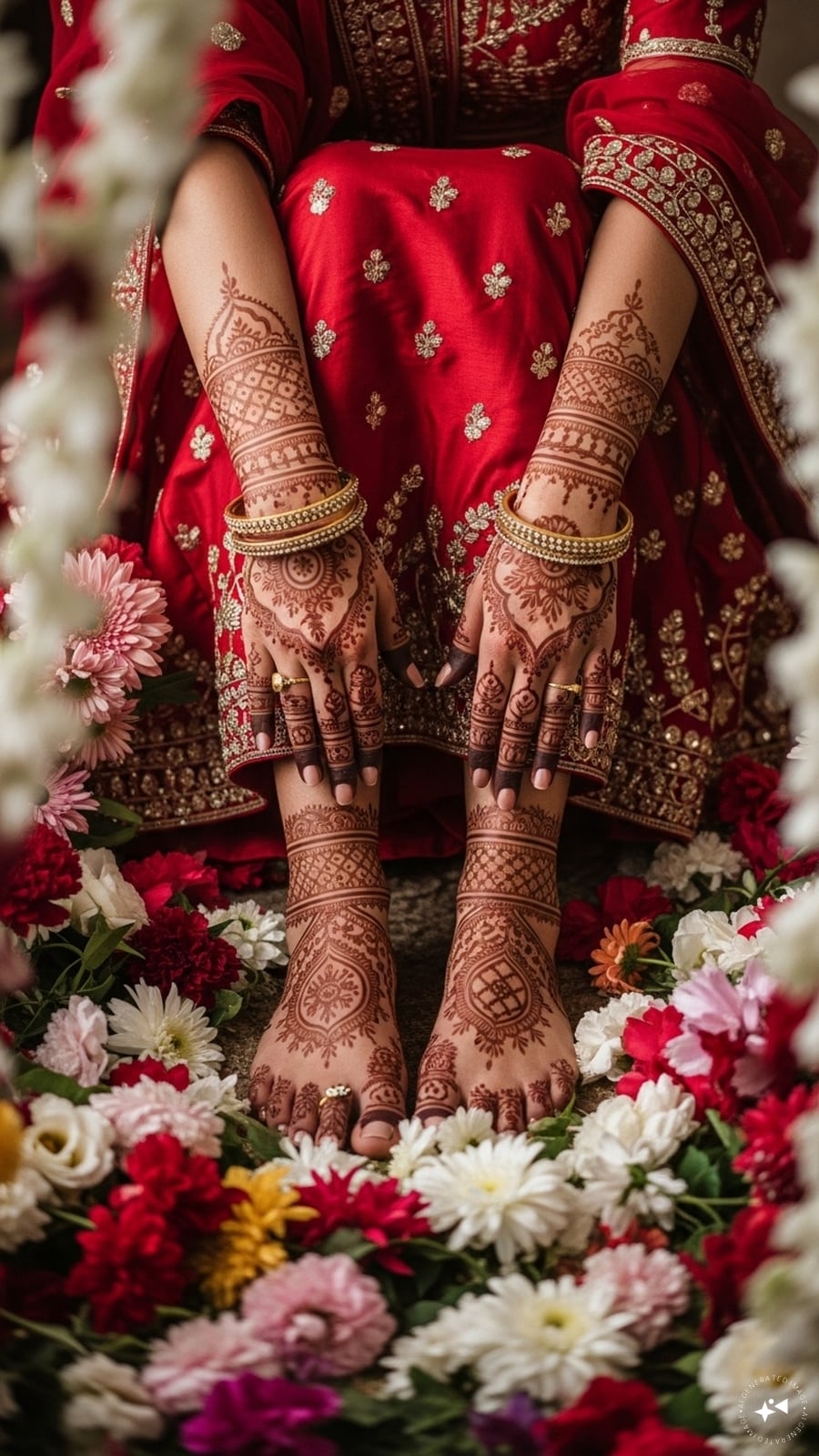
Traditionally, the night before a wedding is dedicated to applying mehendi to calm the bride and reduce her stress, a custom originally intended to keep her safe and relaxed. In some regions, the darkness of the mehendi stain is thought to reflect the depth of love between the couple.
Mehendi Application And Techniques
Mehendi leaves are dried, ground into a fine powder, and mixed with liquids such as lemon juice, tea, or coffee to form a paste. Additional ingredients like sugar, clove, tamarind, and essential oils may be added to enhance the colour and longevity of the designs.
The paste is applied using various techniques, often freehand, to create detailed patterns. The process relies on the dye’s chemical reaction with skin keratin, resulting in a lasting, natural stain.
Benefits Beyond Beauty
Aside from its aesthetic use, mehendi possesses several medicinal properties. It has antifungal, antimicrobial, and anti-inflammatory effects, helping to prevent infections and soothe skin irritations such as itching, rashes, and wounds.
Mehendi is also known for its cooling effect, offering relief in hot weather, and is sometimes applied during certain months to alleviate stress and headaches.
Loading comments…
Go to Source
Author: News18