India has significantly increased purchases of Russian crude oil in March as New Delhi moves quickly to compensate for supply disruptions caused by the escalating military conflict in the Middle East.
Ship‑tracking data indicate that India’s imports of Russian crude have risen sharply during the month, reflecting the country’s efforts to secure stable energy supplies while shipments through one of the world’s most important oil routes, the Strait of Hormuz, remain disrupted.
According to data cited by PTI, India bought about 1.5 million barrels per day (bpd) of Russian oil in March, up roughly 50 per cent from around 1.04 million bpd in February.
The surge underscores how geopolitical tensions in West Asia are forcing major energy‑importing countries to rethink supply routes and diversify sourcing strategies.
West Asia Conflict Disrupts Key Energy Corridor
The sharp shift in India’s crude sourcing comes amid the widening conflict in the Middle East, which has severely disrupted shipments through the Strait of Hormuz, one of the world’s most critical energy chokepoints.
India consumes roughly 5.8 million barrels of oil per day, making it one of the largest energy consumers globally. Around 88 per cent of the country’s crude requirements are imported, highlighting its vulnerability to geopolitical shocks affecting global supply chains.
Traditionally, a large portion of India’s crude supply has come from Middle Eastern producers such as Saudi Arabia, Iraq and the United Arab Emirates.
Roughly 2.5-2.7 million barrels per day of India’s crude imports normally transit through the Strait of Hormuz, according to data cited by PTI. However, the ongoing conflict has disrupted shipping activity in the region, prompting India to look for alternative supply sources.
Russian Crude Emerges As Key Alternative
The disruption in the shipments has coincided with a sharp pickup in Russian crude deliveries to India. The shift highlights the growing importance of diversified crude sourcing strategies as geopolitical risks continue to disrupt traditional supply routes.
Refining Sector Provides Additional Buffer
India’s refining capacity also plays an important role in cushioning supply shocks. By adjusting refinery operations and optimising crude sourcing, India can partly offset disruptions in raw crude imports.
Nevertheless, diversification alone cannot fully insulate the country from regional supply shocks, particularly when disruptions affect multiple energy products simultaneously.
LPG Supply Emerges As A Critical Concern
While crude supplies can be diversified more easily, analysts say liquefied petroleum gas (LPG) remains a more vulnerable component of India’s energy supply chain.
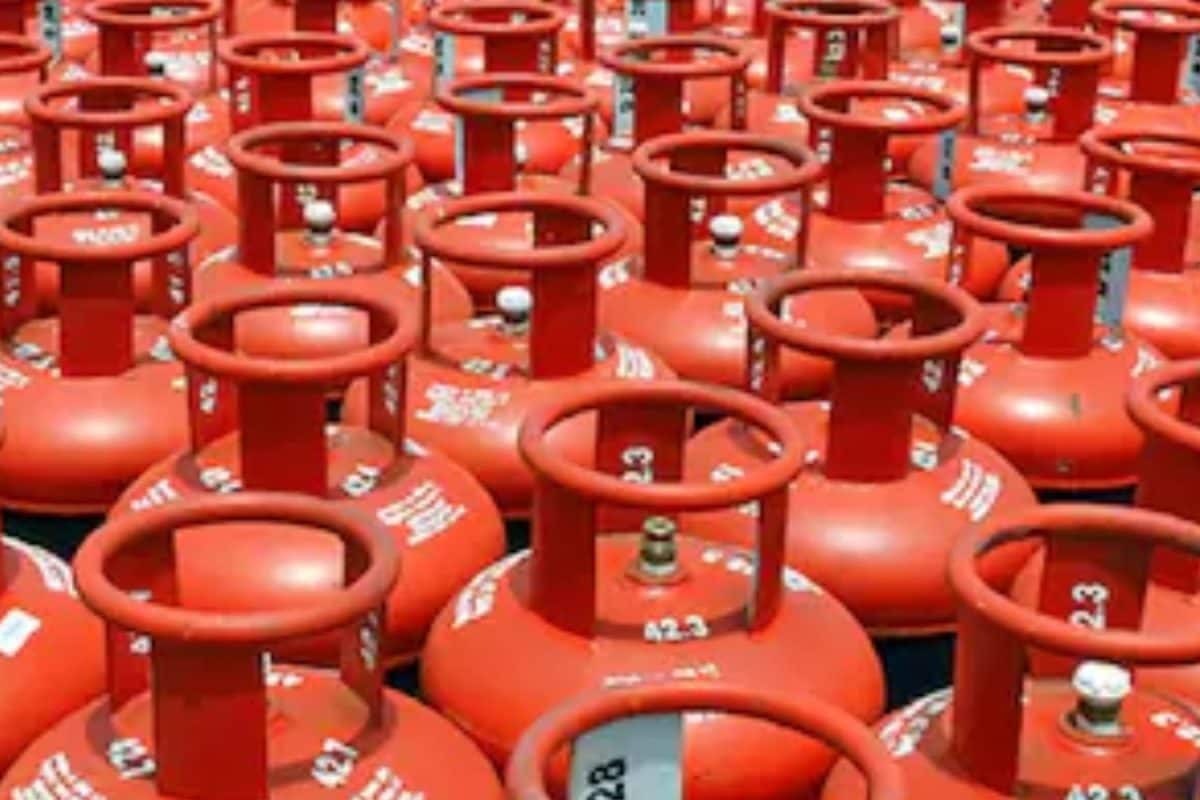
India consumes roughly 1 million barrels per day of LPG, but only 40-45 per cent of that demand is met through domestic production.
The remaining 55-60 per cent is imported, and a significant share of these imports depends heavily on the Middle East.
Refineries can attempt to increase LPG output by adjusting feedstocks and operating conditions to maximise recovery of the fuel.
Replacing LPG Is Not Easy
Although India can theoretically source LPG from suppliers outside West Asia, analysts warn that longer shipping distances create logistical challenges.
Cargoes sourced from other regions require significantly longer voyage times, which limits how quickly disrupted shipments can be replaced.
The Strait of Hormuz also plays a crucial role in global LPG trade flows. Large volumes of LPG exported from Qatar, Saudi Arabia and the UAE pass through this narrow maritime route before reaching Asian markets.
As one of the world’s largest LPG importers, India remains particularly exposed to disruptions affecting the region.
Data cited by PTI shows that India consumes around 900,000 to 1 million barrels per day of LPG, with roughly 600,000 barrels per day imported, most of which originates from West Asia.
Diversification Strategy Gains Momentum
The current crisis is reinforcing the importance of diversified energy sourcing for India.
Increasing imports from Russia have already helped narrow the supply gap caused by disruptions in West Asia. However, analysts say that maintaining stable energy supplies will require continued diversification and careful management of logistics, refining operations and strategic inventories.
While the immediate crude supply shock appears manageable due to alternative sourcing, the availability of LPG and the stability of global shipping routes will remain key factors to watch in the weeks ahead.