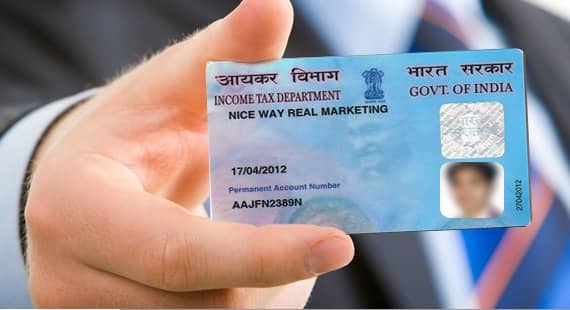

From April 1, 2026, the Draft Income Tax Rules, 2026 propose increasing the threshold for mandatory PAN quoting in property transactions from Rs 10 lakh to Rs 20 lakh. The proposed change, which may also extend to certain gifts and joint development agreements, is expected to provide relief to first-time homebuyers, particularly in tier-2 and tier-3 cities where property values are relatively lower. However, tax experts advise that buyers and sellers should continue to quote PAN voluntarily, as property transactions often carry tax implications, especially in cases involving capital gains.
Cash Transactions-Stricter Monitoring
Proposed Changes:
- PAN must be quoted if total cash deposits or withdrawals exceed Rs 10 lakh in a financial year.
- If total exceeds Rs 20 lakh, PAN must be quoted and verified.
- This is meant to track large cash movements and reduce tax evasion.
Motor Vehicle Purchase-Relaxed Requirement
Proposed Changes:
- PAN required only if vehicle value exceeds Rs 5 lakh.
- Currently, PAN is required for almost all vehicle purchases (except motorbikes). This change relaxes compliance for lower-value vehicles.
Hotels And Restaurants-Higher Limit
Proposed Changes:
- PAN required only if the bill exceeds Rs 1 lakh.
- At present, PAN is mandatory for payments above Rs 50,000. This reduces paperwork for higher hotel and restaurant bills.
Property Transactions-Increased Threshold
Proposed Changes:
- PAN required only if property value exceeds Rs 20 lakh.
- Currently, the limit is Rs 10 lakh This makes compliance easier for smaller property transactions.
Insurance Policies-Expanded Requirement
Proposed Changes:
- PAN required for any account-based relationship with an insurance company.
- Earlier, PAN was needed only if the annual premium exceeded Rs 50,000. Under the draft rule, even smaller policyholders may need to provide PAN.
If implemented, these reforms could simplify everyday transactions while strengthening the tax system’s ability to track significant financial movements.