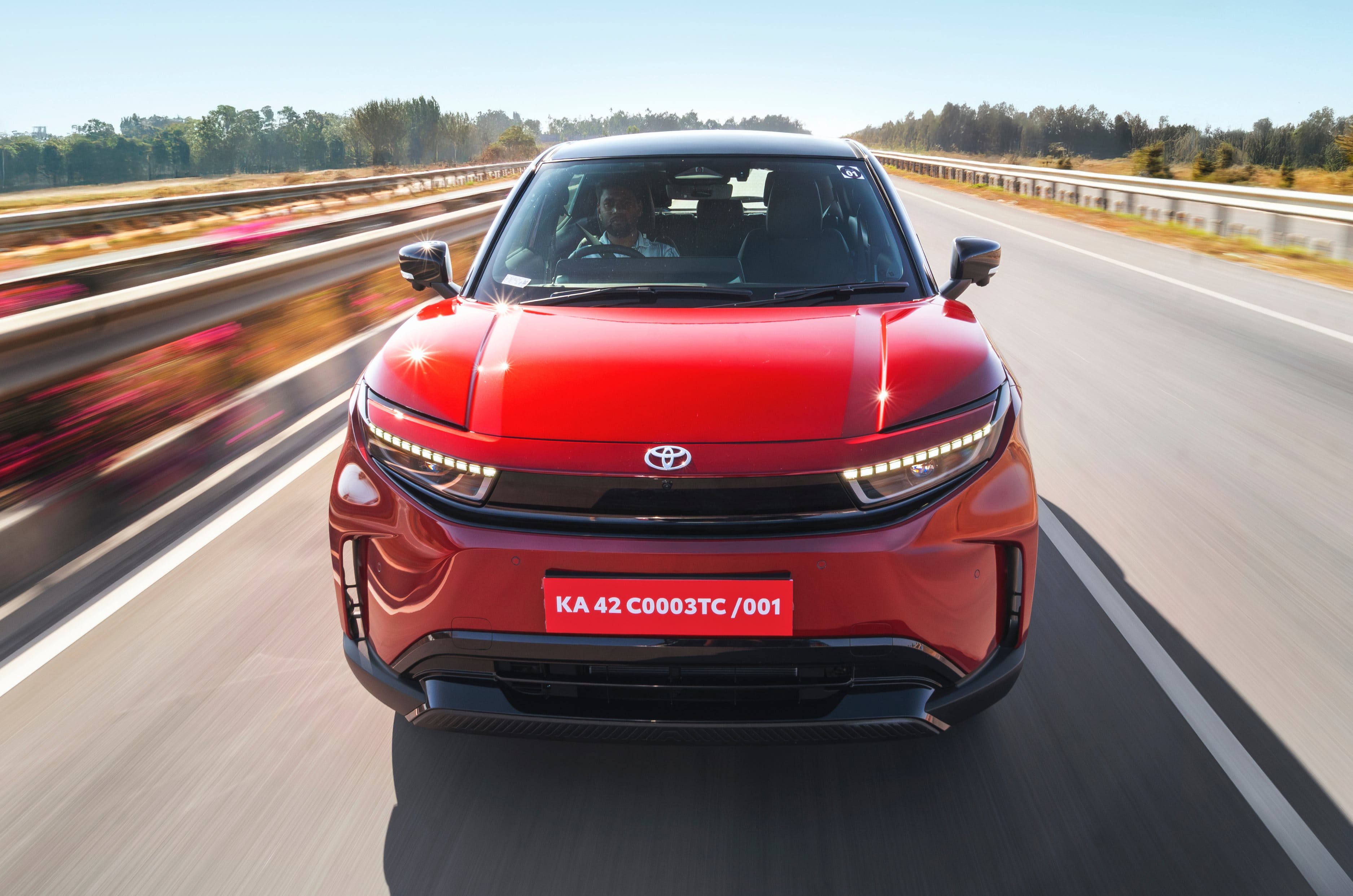

Toyota has finally entered India’s electric vehicle space with the Urban Cruiser Ebella. Jointly developed with Suzuki, this midsize EV is a badge-engineered version of the e Vitara and uses a single front-mounted motor, and is offered with two battery pack options – 49kWh and 61kWh – across three variants.
The Toyota Ebella will take on new-age EVs such as the MG Windsor, Tata Curvv EV, Vinfast VF6, Hyundai Creta Electric and Mahindra BE 6.
Toyota Ebella Exterior Design and Engineering –
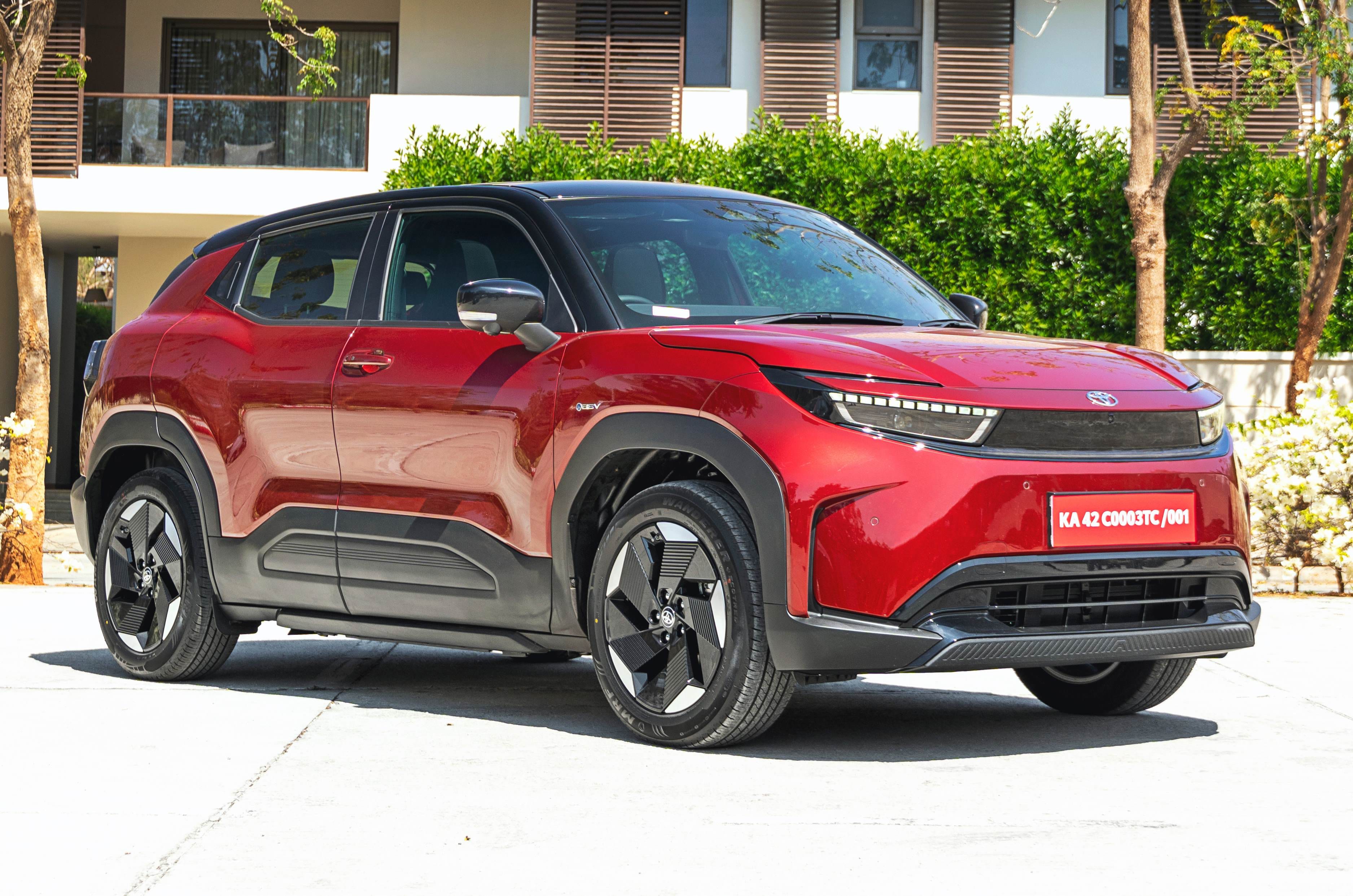
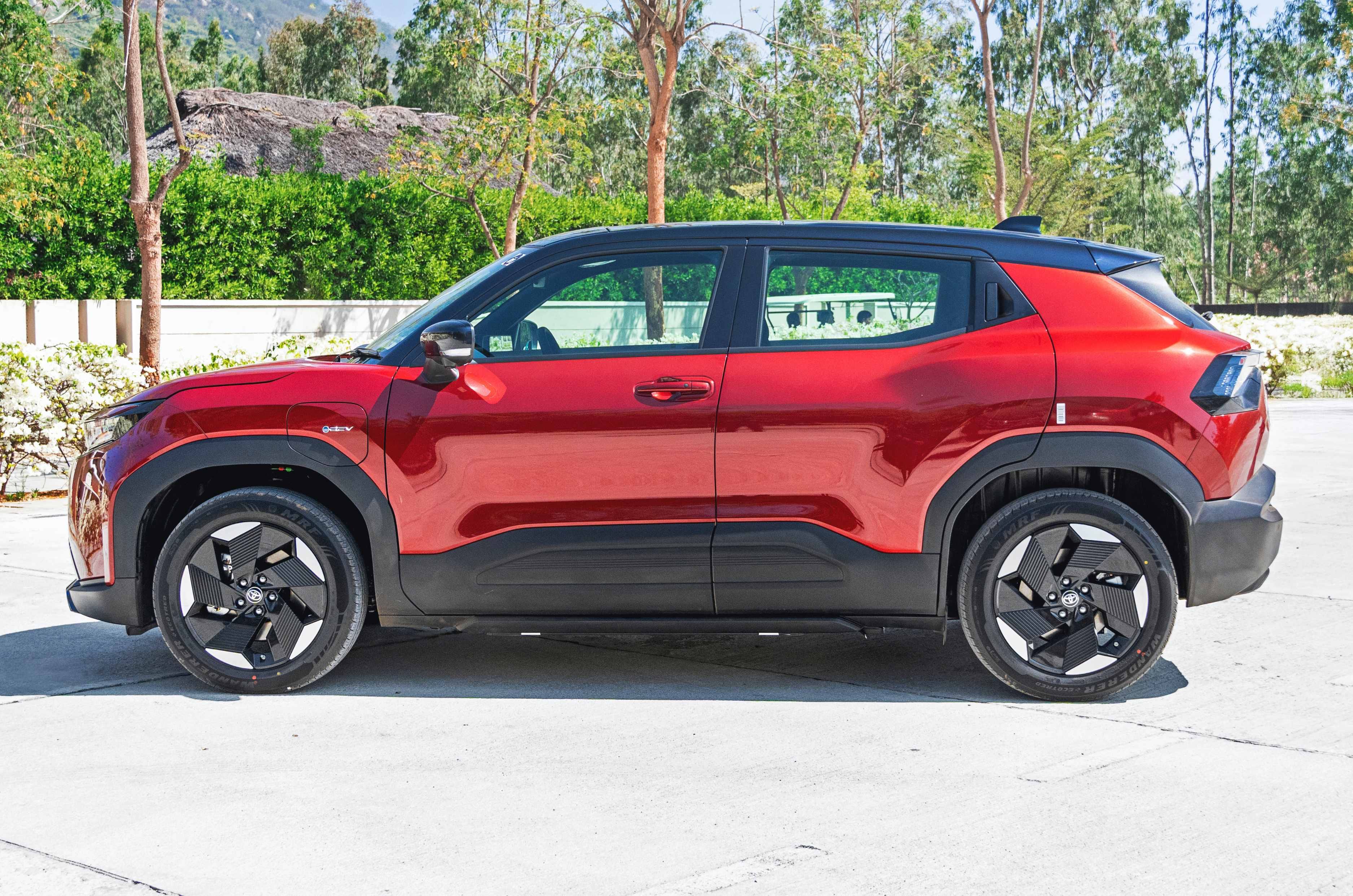
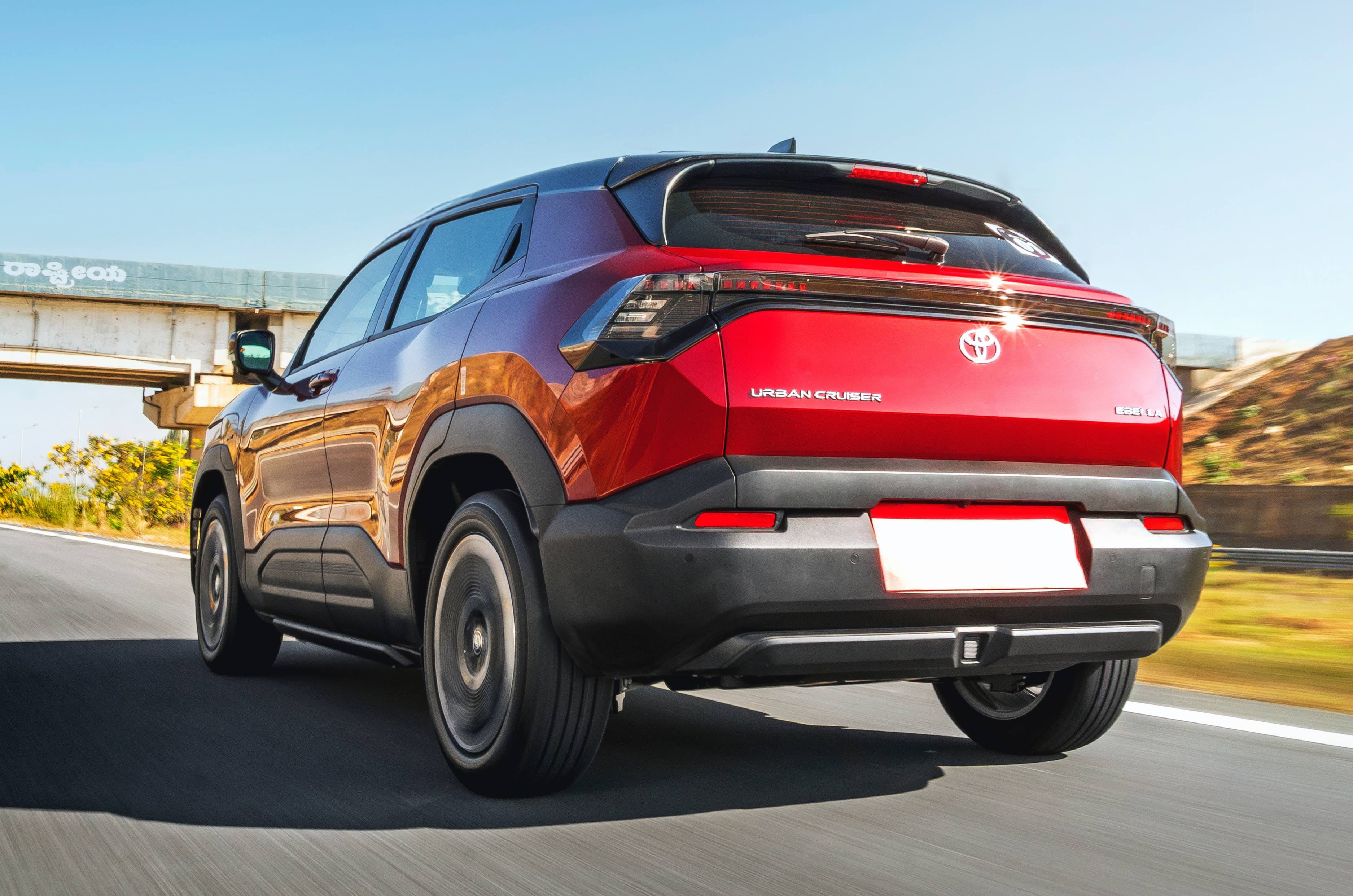
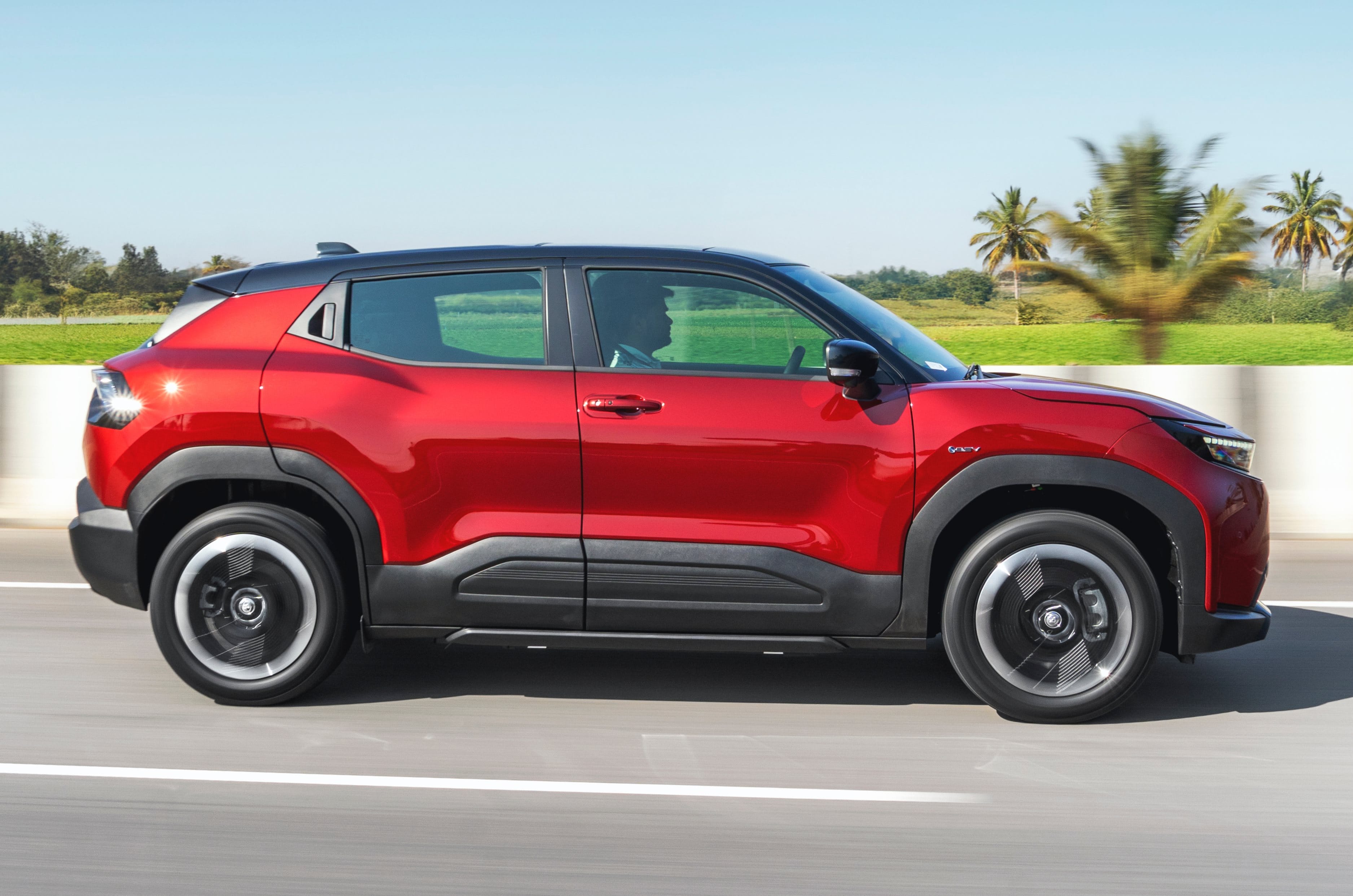
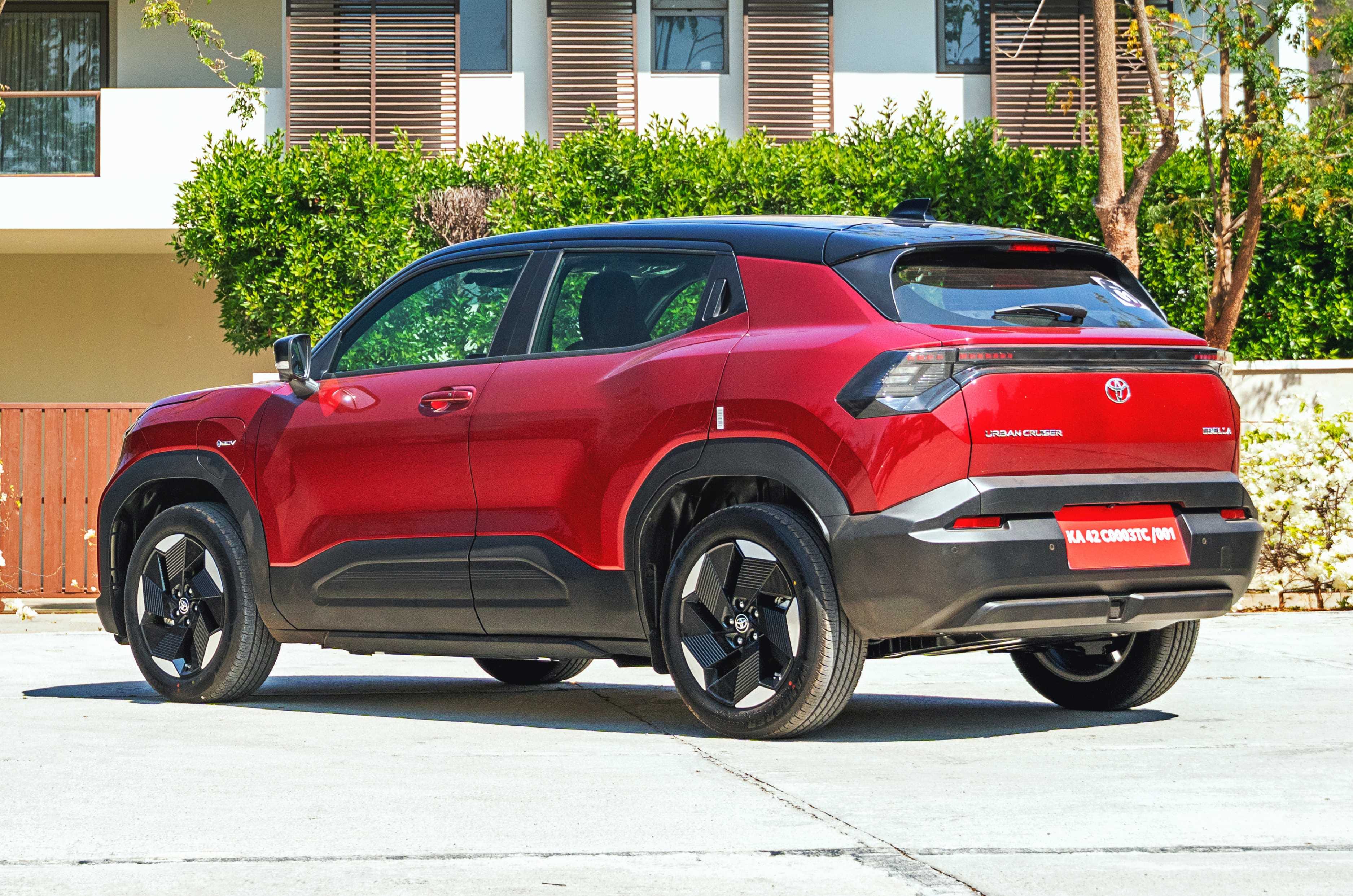
The name Ebella is derived from the Italian, Spanish and Latin word ‘bella’, meaning beautiful. While beauty may be subjective, the Ebella’s crossover-like stance, chunky body cladding and strong character lines come together to give it a muscular, purposeful look. The smiling headlamp design and dotted-line DRLs could divide opinion, but the two-tone 18-inch alloy wheels look smart and are identical to those on the e Vitara. The side and rear profiles are also largely unchanged from its Maruti sibling, save for distinct badges and subtle lighting element tweaks within the tail-lamps.
Measuring 4,285mm in length, 1,800mm in width and 1,640mm in height, the Ebella is shorter than the Creta Electric in both length and height, though it is wider. Its 2,700mm wheelbase is among the longest in the segment, second only to the VF6’s 2,730mm. Ground clearance stands at a healthy 184mm (unladen), though this is the lowest among its direct rivals.
Being a rebadged Suzuki e Vitara, the Ebella is underpinned by the same Heartect-e platform. While Suzuki claims this architecture has been developed from scratch, several traits suggest this could be an ICE-to-EV adaptation. The single motor is mounted at the front, unlike most born-EVs that use a rear-mounted motor for better packaging and power delivery. The cabin floor is noticeably raised to accommodate the battery pack, and instead of a flat rear floor, passengers still have to deal with a prominent (transmission) hump.
Toyota Ebella Interior Space and Comfort –
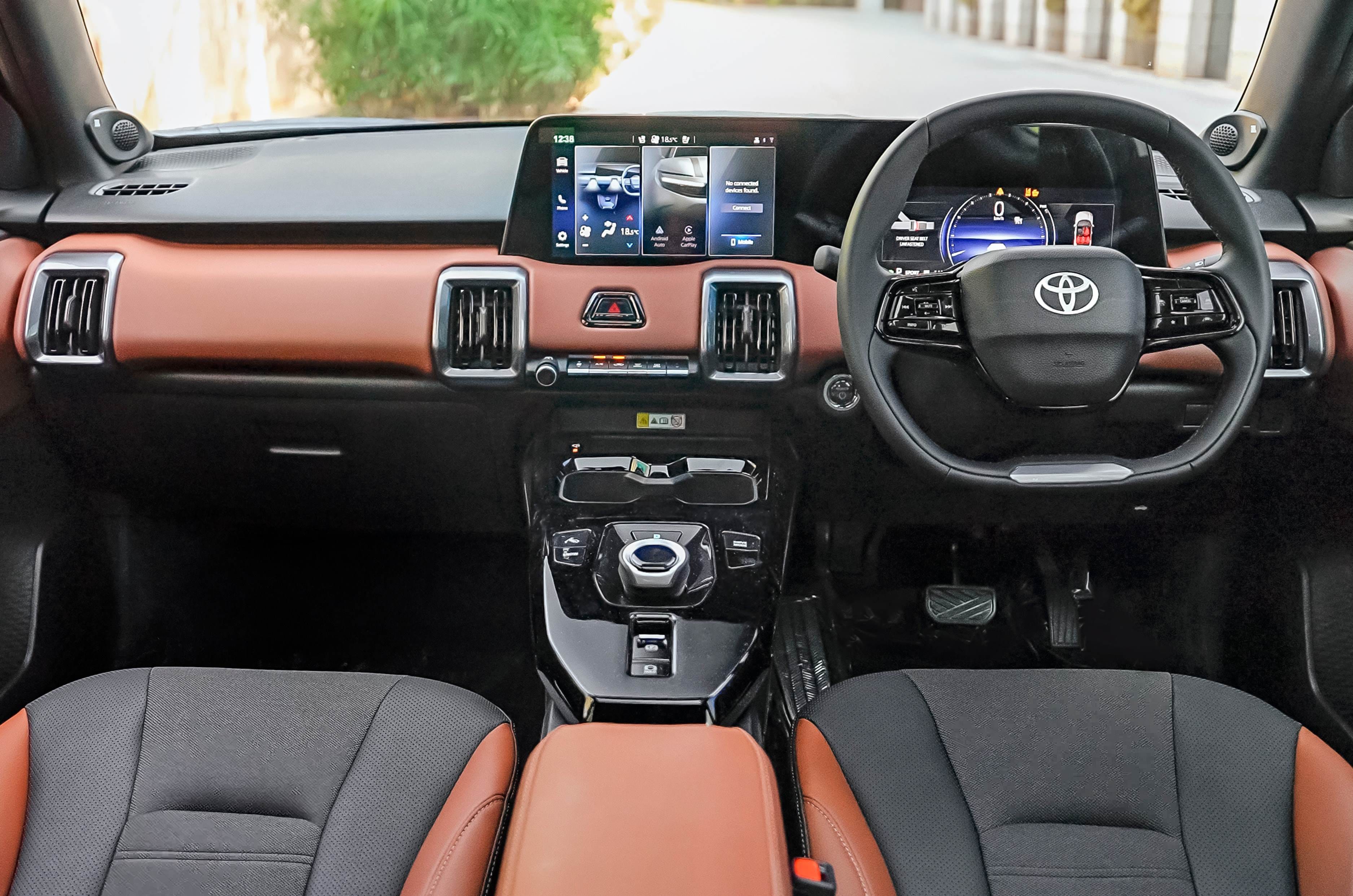
Inside, the Ebella impresses with its fit, finish and perceived quality, all of which feel genuinely premium. Soft-touch materials on the dashboard and steering wheel, damped switchgear and the brown-black colour scheme elevate the cabin’s sense of premiumness. The visual highlight is the large single panel housing both the 10.1-inch touchscreen and the digital instrument cluster. While the two screens aren’t aligned or identically sized, they are well positioned and easy to read in real-world use.
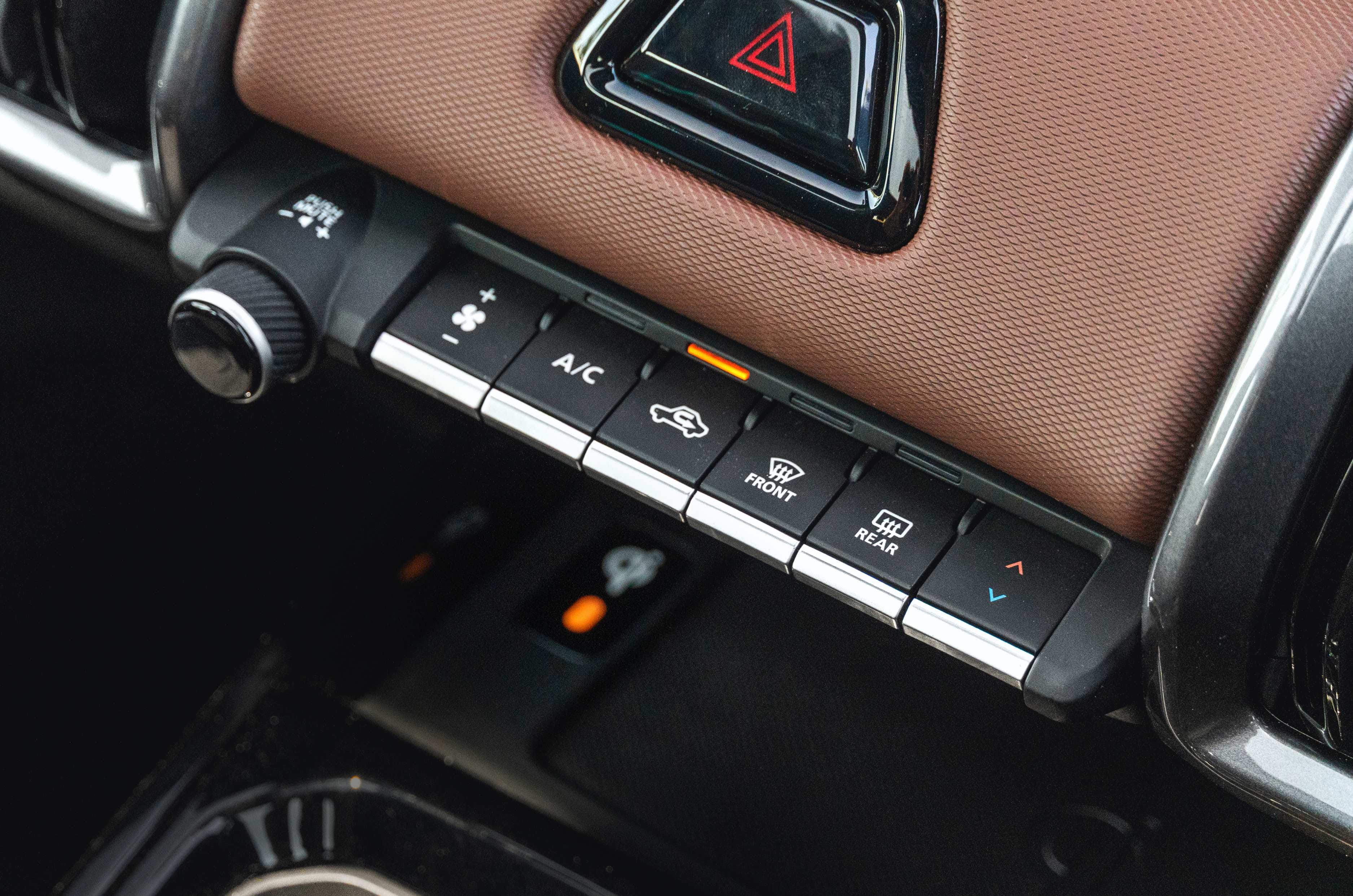
The touchscreen user interface, however, leaves a lot to be desired. Basic functions are buried within submenus, and the system’s sluggish response only adds to the frustration. For instance, activating the ventilated seats is a four-step process.
The floating centre console, finished in gloss black, houses the rotary drive selector and a few other switches. There’s a large storage bay beneath it, and overall, storage spaces are plentiful and thoughtfully designed throughout the cabin.
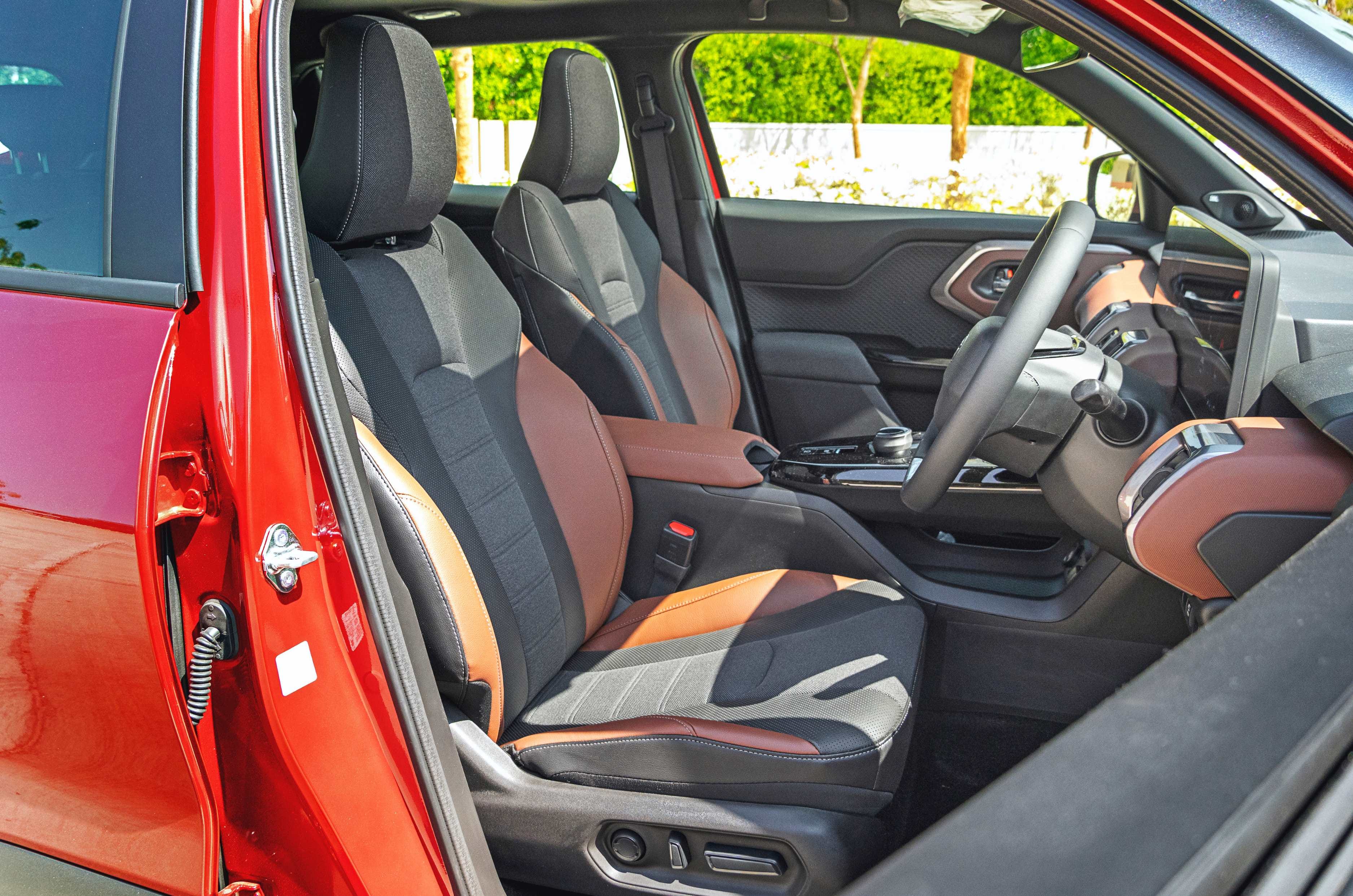
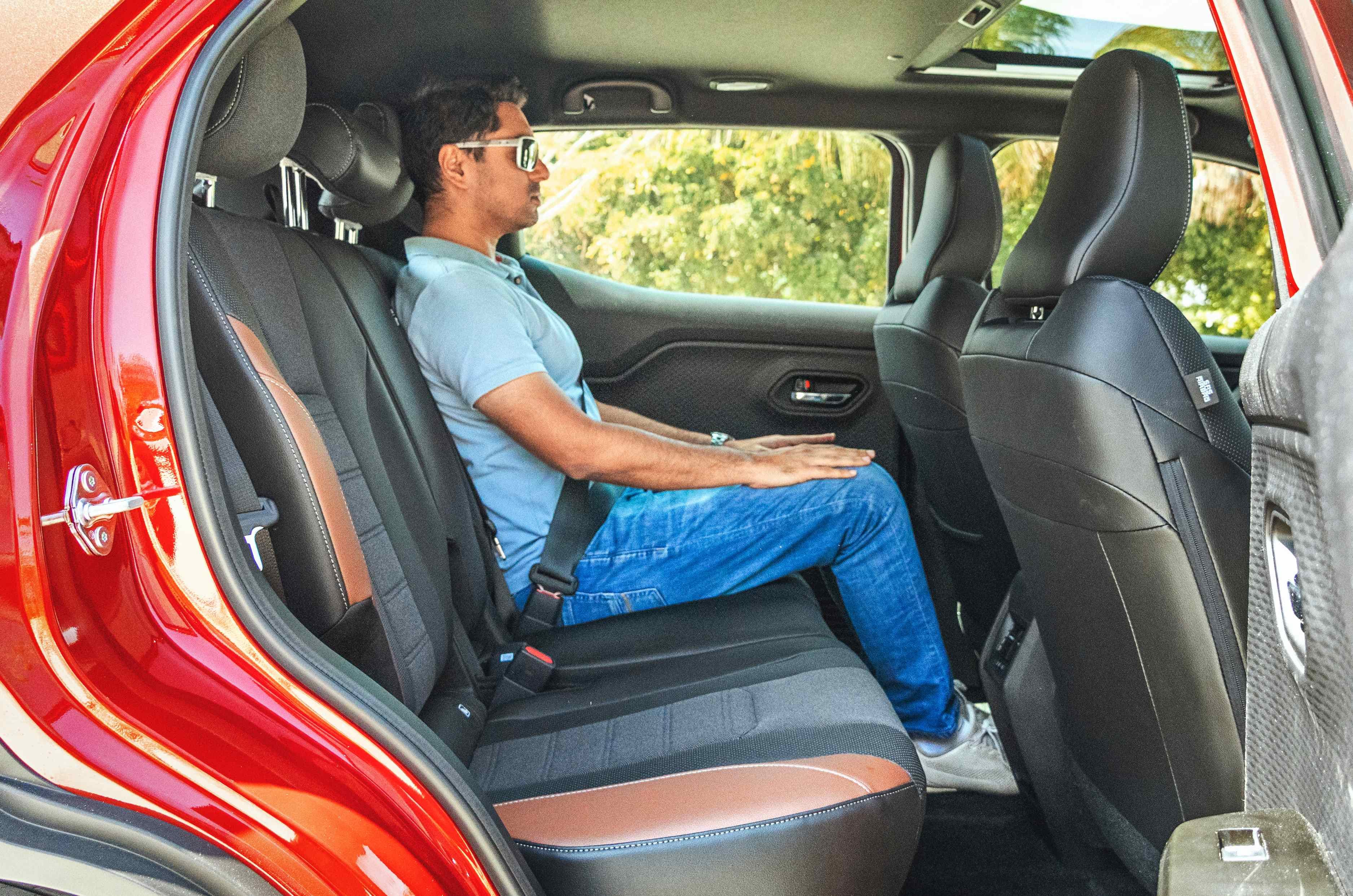
The front seats are wide, supportive and comfortable, and they’re electrically adjustable too. That said, the raised floor results in a knees-up seating position even for front occupants. Rear passengers face the same issue, compounded by the lack of a flat floor, and the middle passenger has to straddle the hump. The rear seat can slide and recline in a 40:20:40 split, and the middle section can be folded down as an armrest, though doing so creates a cavity that exposes the contents in the boot to rear occupants.
Toyota claims a boot capacity of 306 litres, which is small for the segment. On the plus side, the boot is well shaped and can accommodate three cabin-sized bags with room to spare for smaller items. There’s also a full-size spare wheel under the floor, along with a dedicated tray for the charging cable.
Toyota Ebella Features and Safety –
In top-spec form, the Ebella offers 18-inch alloy wheels, a fixed single-pane glass roof, ventilated front seats, a 10.1-inch touchscreen with wireless Android Auto and Apple CarPlay, a JBL audio system, a powered driver’s seat, auto-dimming inside mirror, drive modes, ambient lighting and a wireless charger. A 360-degree camera is also included, though rival systems offer clearer and more refined visuals. Safety equipment includes seven airbags, ESP and Level 2 ADAS.
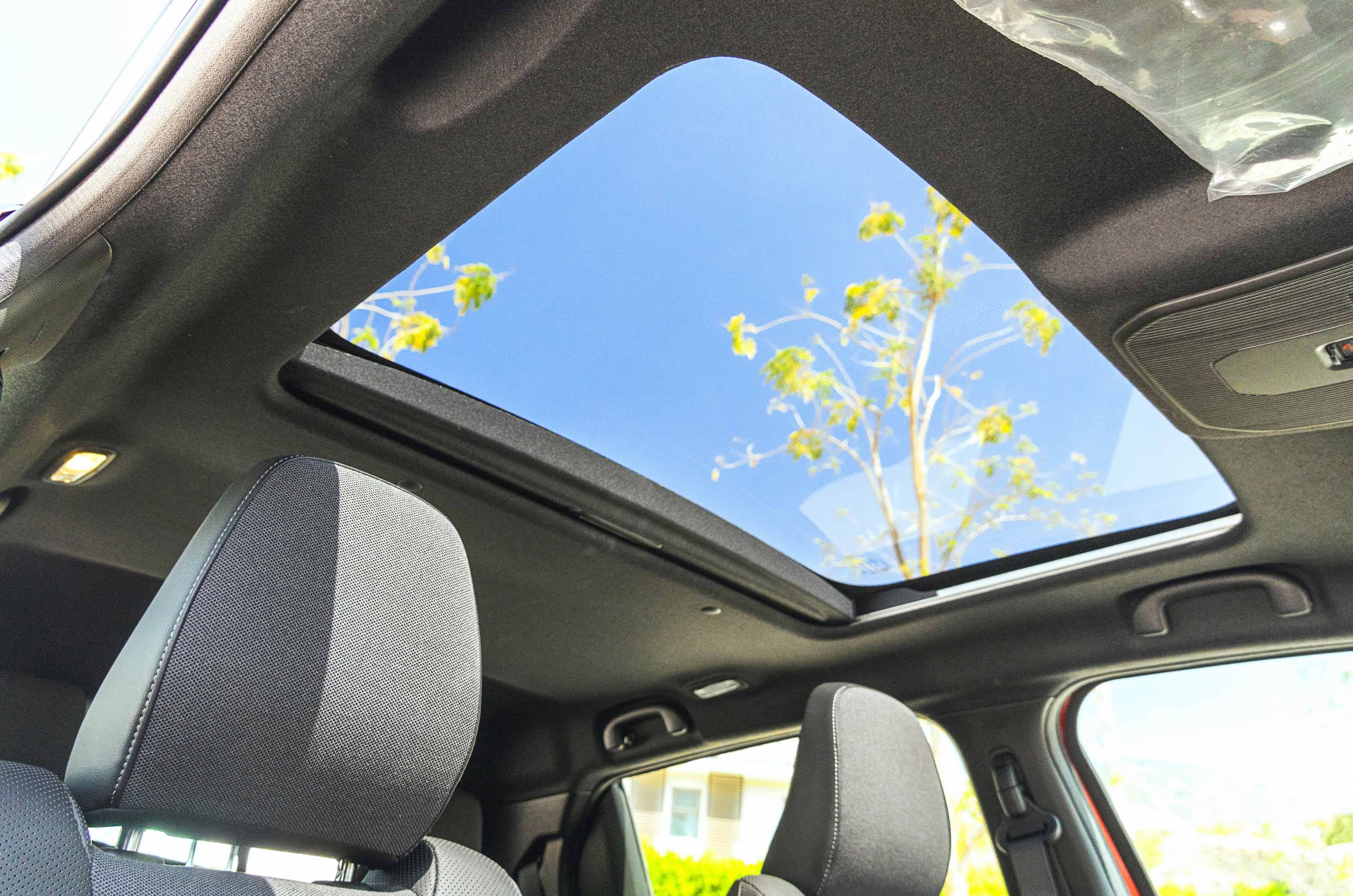
That said, several rivals offer features such as rear sunshades, a panoramic sunroof, electrically powered tailgate, regen control via paddle shifters and a proper single-pedal driving mode – all of which are missing here.
Toyota Ebella Performance and Refinement –
The Toyota Ebella is offered with two Lithium Ferrous Phosphate (LFP) battery packs – 49kWh and 61kWh (as tested). Both power a front-mounted motor producing 193Nm of torque. Motor output stands at 144hp with the smaller battery and 174hp with the larger one.
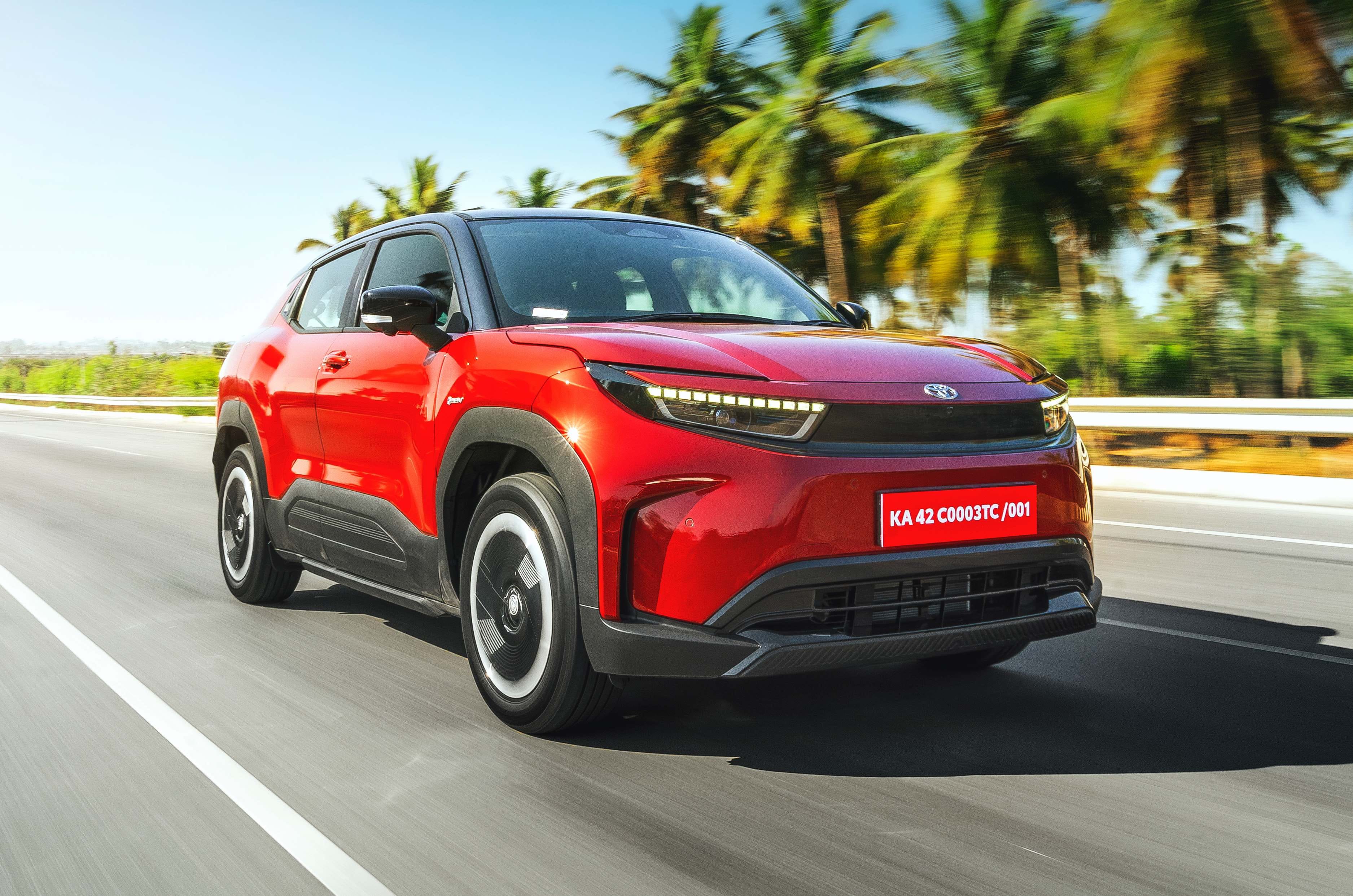
Compared to its rivals, the Ebella produces the least torque, and it is heavy – 1,815kg, which is 238kg heavier than a top-spec Hyundai Creta Electric. However, performance feels adequate. The Ebella accelerates from 0-100kph in 9.25 seconds, which is 1.2 seconds slower than the Creta Electric, and it tops out at an indicated 160kph.
Power delivery is typically EV-like – smooth and linear. Three drive modes are available – Eco, Normal and Sport. The difference between Eco and Sport is noticeable, while Normal strikes the best balance and feels the most predictable.
There are three regenerative braking levels and the default is set to the middle level, where deceleration is gradual. There is no single-pedal driving mode, and the vehicle won’t come to a complete stop on regen alone. Adjusting regenerative braking intensity can only be done when the vehicle is stationary, and again, it involves navigating multiple submenus. Oddly enough, there is a physical button to switch regen on or off while on the move, but to set the level, you have to go through the screen.
Toyota Ebella Range and Efficiency –
Toyota claims a range of 440km for the 49kWh version, while the larger 61kWh battery (as tested) is rated at 543km. Although the car hasn’t yet undergone comprehensive real-world range testing, preliminary highway driving indicated an efficiency of around 6km/kWh, translating to an estimated real-world range of roughly 370km on a single charge.
The Ebella comes standard with a 3.3kW home charger, with an optional 7.2kW AC charger available at an extra cost. DC fast charging tops out at 67kW, which is lower than what many rivals offer.
Toyota Ebella Ride Comfort and Handling –
At low speeds, the Ebella tends to crash over sharp speed breakers and large potholes. At highway speeds, it feels floaty, especially at the rear. Push harder, and the car exhibits noticeable fore-aft pitching, which could leave passengers feeling uneasy over long drives.
The steering is light, and coupled with a tight 5.2m turning radius, city manoeuvrability is excellent. While it isn’t engaging to drive, handling is predictable and safe. The brake pedal feel is natural and confidence-inspiring.
Toyota Ebella expected price and verdict –
Despite being a late entrant and ostensibly a born EV, the Toyota Ebella has several shortcomings, including a cramped cabin, a small boot, an unintuitive infotainment system and a busy ride quality. On the upside, its interior quality stands out, the powertrain is exceptionally smooth, and Toyota claims strong efficiency.
To sweeten the deal, Toyota is offering an 8-year battery warranty, a 60 percent assured buyback after three years, and a battery-as-a-service option where the battery is leased separately from the vehicle. If priced aggressively through this scheme, the Ebella could undercut its rivals by a significant margin, and that could give it a real shot at success.