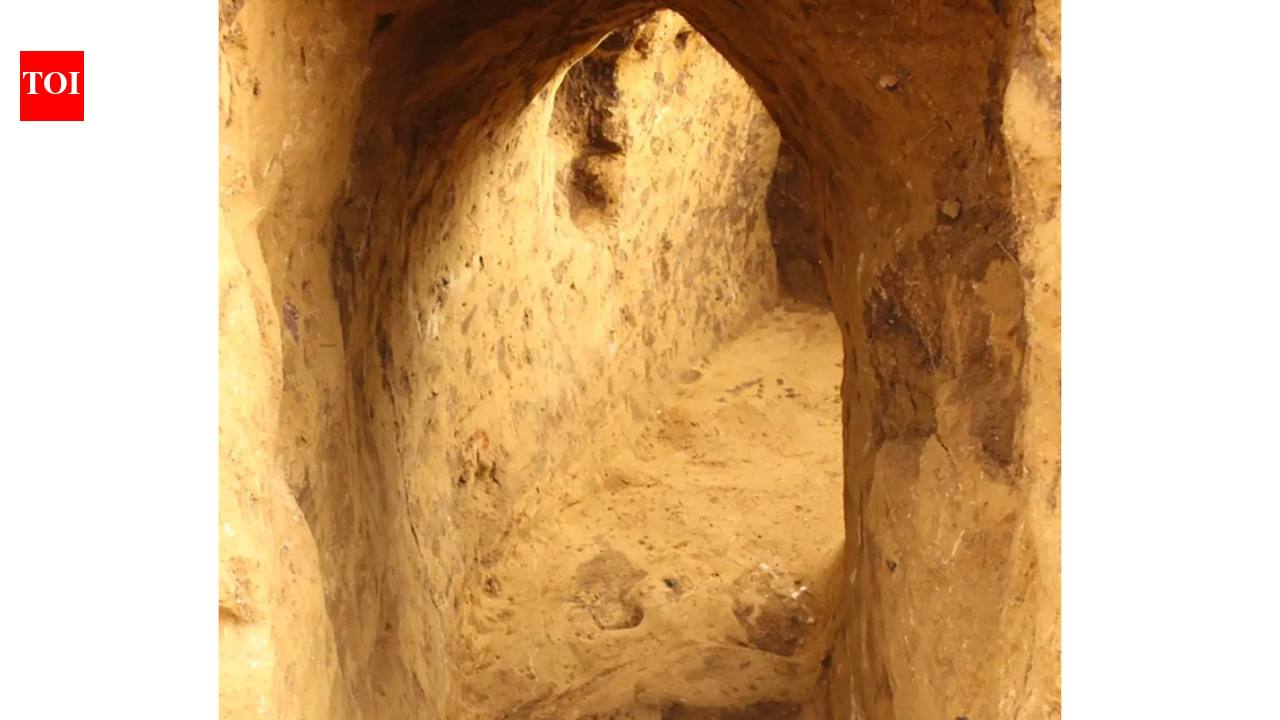

Archaeologists in Germany have uncovered a narrow medieval tunnel system hidden beneath a much older pagan burial site, a discovery that has surprised experts and raised new questions about how different eras interacted with the same landscape. The find was announced in a January 29 press release by the State Office for Heritage Management and Archaeology of Saxony-Anhalt, following excavations near Reinstedt. While the graves date back roughly 5,000 years to the Neolithic period, the underground passage was dug thousands of years later, during the late Middle Ages, creating a rare overlap of prehistoric and medieval activity at a single site.
Where the tunnels were found
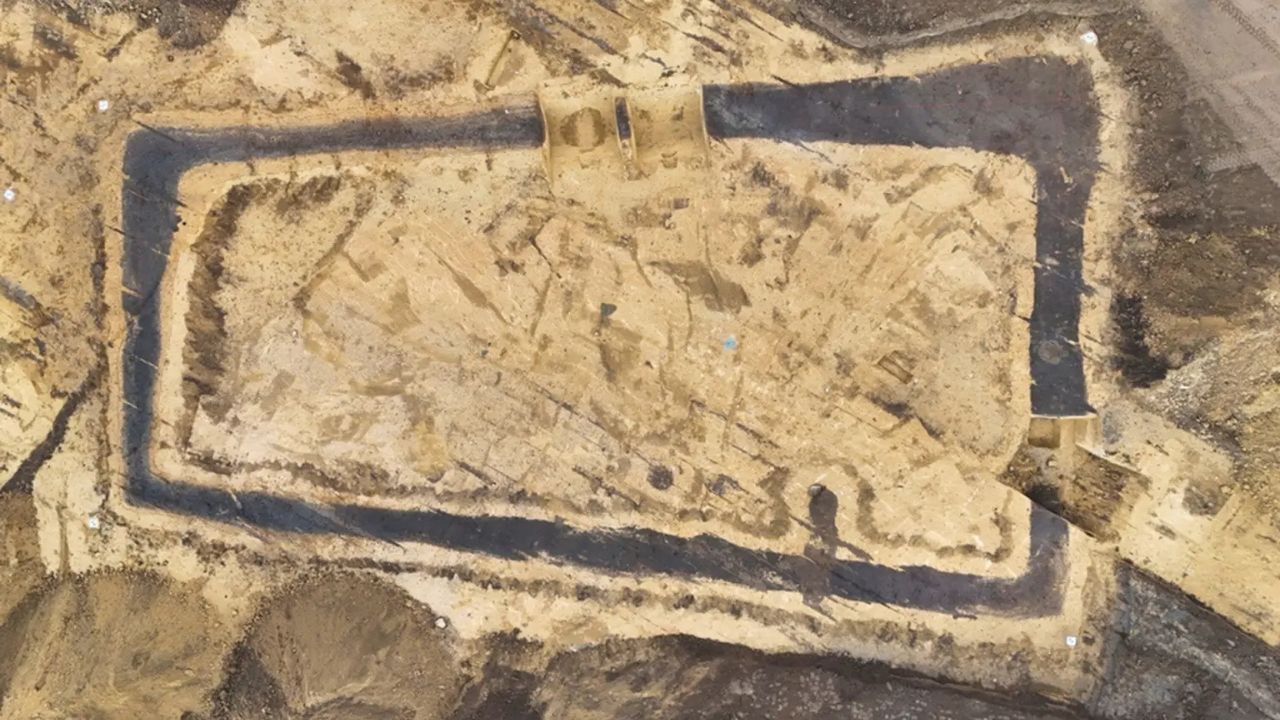
The tunnels were found within a Middle Neolithic burial complex associated with the Baalberge culture, which flourished in the 4th millennium BC. The site consists of a large ditch enclosure and several poorly preserved burials that were originally used for ritual and funerary purposes. Excavations were carried out ahead of planned wind turbine construction, a routine process in Germany that often precedes large infrastructure projects.Archaeologists initially believed they were uncovering a grave after encountering a trapezoidal pit and a stone slab at one end. Further excavation revealed that the feature continued downward into the loess subsoil and was in fact an erdstall, a narrow underground tunnel system typically dated to the late Middle Ages. Erdstalls are found in parts of Central Europe, but their purpose has long remained unclear.
What was found inside the tunnel
The underground passage contained late medieval pottery, an iron horseshoe, animal remains, numerous stones and traces of charcoal from a brief fire. At the narrowest point of the entrance, archaeologists found larger stones stacked together, suggesting the tunnel was intentionally sealed. These finds confirmed that the structure was man-made, used for a period of time, and deliberately closed.The most striking aspect of the discovery is its location. Medieval builders chose to dig the tunnel directly beneath a prehistoric pagan burial site, a decision that archaeologists say was unlikely to be accidental. One theory is that the ancient earthworks were still visible in the Middle Ages and provided a convenient landmark. Another possibility is cultural: medieval Christian communities may have avoided disturbing pagan graves, making such sites discreet places for hidden structures.The function of erdstalls remains debated. Scholars have suggested they may have served as temporary hiding places, storage spaces, or sites for ritual or cultic activity. The narrow dimensions of the Reinstedt tunnel and the limited evidence of long-term occupation support the idea of short-term or episodic use, rather than permanent habitation.