
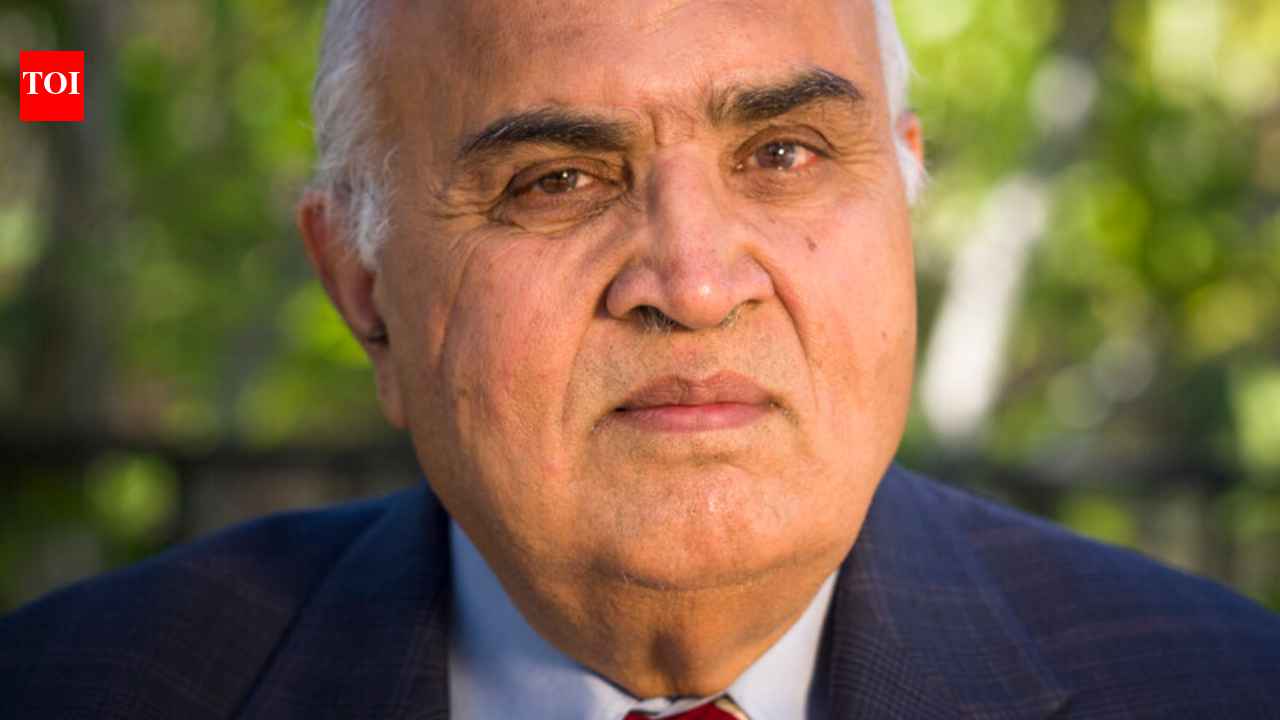


Indian-American businessman Kanwal Singh Rekhi, who became the first Indian-American to take a company public in Silicon Valley, said he is worried about the future amid the divisive atmosphere. The rhetoric against Indians has been heating up and policymakers are accusing Indians of cheating immigration policies, making it harder for Indians to get visas. The overall messaging is that Indians are not welcome in the US, Rekhi noted, saying that when he came to the US, the situation was different. America invited Indian talents not out of generosity but out of necessity. Rekhi traced back the migration of Indians to the US and said the country in the 1960s was not producing enough scientists and engineers and the US was falling behind the Soviet Union. “So in 1967, with barely enough money to last a semester, I traveled from rural India to Michigan’s Upper Peninsula to pursue a master’s degree in engineering. When we beat the Soviets to the moon, the fate of India and the US became inextricably linked,” the veteran businessman wrote for San Francisco Chronicle. “After working in the defense industry, I founded Excelan, a startup that produced the ethernet boards that were foundational to the early internet, making me the first Indian American to take a company public in Silicon Valley. At its height, we employed nearly 1,000 people, whose lives and the lives of their families were transformed when we were acquired. Later, as an investor, I funded over 100 startups that created tens of thousands of jobs and pumped billions of dollars into the economy.”Immigrants are more likely to start a business because they have no safety net, and survival is mandatory. “When I founded my company in the early 1980s, Indian American entrepreneurs were rare. Today, we are everywhere. Roughly a quarter of startups in Silicon Valley involve Indian Americans as founders, investors or board members. Indian Americans have led some of the world’s most influential companies, including Google, Microsoft, Starbucks, IBM and Pepsi. Though we make up about 1.6% of the U.S. population, we account for over 10% of the country’s CEOs, physicians and professors. By nearly every metric — education, income, entrepreneurship — Indian Americans are a case study in what effective immigration policy can produce for the country.”
True that H-1Bs go to Indians but…
Commenting on the H-1B row that Indians get the maximum of these non-immigrant work visas and then steal jobs from Americans, Rekhi said that it is true that most H-1Bs go to Indians but it is also true that American technology leadership is built in collaboration with foreign talent, particularly Indian talent, he said. The front offices in America and the back offices in India helped both countries and if this trend is reversed now, both will be affected.”India just became the fourth-largest economy in the world, and it will likely become the third-largest by 2030. It’s imperative that the world’s oldest democracy (America) and the world’s largest democracy (India) work together, not only to stay ahead of China on the technological front lines but to stem the rise of authoritarianism globally,” the investor added. Go to Source