

Image Via Instagram
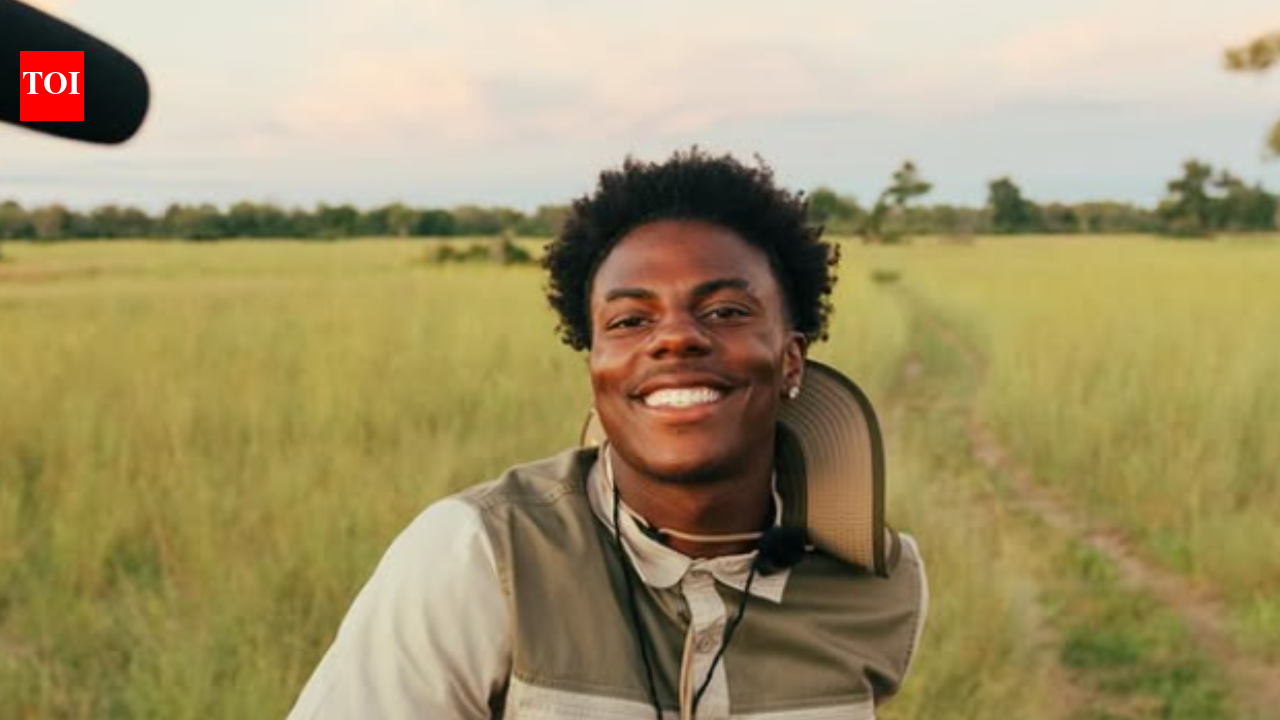
YouTuber IShowSpeed, one of the world’s most followed online creators, is set to receive a Ghanaian passport after his widely watched visit to the West African nation. Ghana was the second-to-last stop on his live-streamed, 20-country tour of Africa, which ended earlier this week. The announcement was made by Ghana’s foreign minister, who praised the influencer for positively representing the country and the continent to a global audience.The 21-year-old creator, whose real name is Darren Watkins Jr, has more than 50 million subscribers on YouTube. His “Speed Does Africa” tour attracted millions of viewers worldwide and was widely praised for breaking stereotypes about Africa and highlighting its cultures, people, and everyday life through live, unfiltered streams.
Ghana calls IShowSpeed a ‘worthy ambassador’ after visit
Following IShowSpeed’s time in Ghana, Foreign Minister Samuel Okudzeto Ablakwa said his office had approved a Ghanaian passport for the YouTuber. In a social media post, Ablakwa described IShowSpeed as a “worthy ambassador” and said the decision came after confirmation of the influencer’s “irrefutable ties” to Ghana. During his live streams from the country, IShowSpeed told viewers that his mother was from Ghana, a statement that gained significant attention online. Ablakwa encouraged the YouTuber to continue promoting Ghana and Africa positively, adding that the nation “celebrates” him and appreciates the exposure his visit brought. The “Speed Does Africa” tour has been watched across continents, with fans praising its raw and energetic style. Many viewers said the streams helped present a more human and relatable image of African countries, especially to younger audiences who may not see such content in mainstream media. The tour has also played a role in the rapid growth of IShowSpeed’s already massive online platform.However, the passport approval has not been without controversy. While many Ghanaians welcomed the move and thanked the YouTuber for showcasing their country, others questioned the decision. Critics argued that granting passports to foreign celebrities could reduce the value of the document and raised concerns about fairness.Despite the mixed reactions, the development highlights the growing influence of digital creators on global perception and diplomacy. As content creators continue to reach audiences that traditional media often cannot, governments are increasingly recognizing their power to shape narratives and cultural understanding.