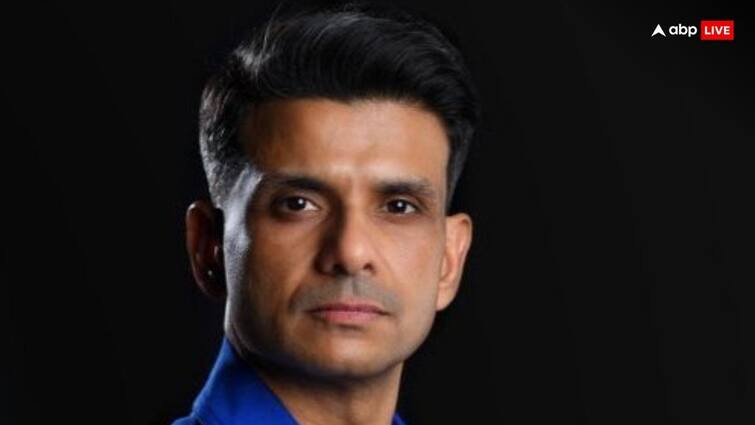

Group Captain Shubhanshu Shukla of the Indian Air Force has been conferred the Ashoka Chakra, India’s highest peacetime gallantry award, in recognition of his exceptional courage and service following a historic space mission. Shukla, a test pilot and astronaut, became the first Indian from the Indian Space Research Organisation (ISRO) to visit the International Space Station (ISS) in June 2025 as part of the multinational Axiom Mission 4. His contributions to scientific research and human spaceflight mark a major milestone for India’s defence and space ambitions.
Historic Space Mission & Gallantry Award
The Ashoka Chakra is traditionally awarded for acts of bravery, self-sacrifice or courageous action away from the battlefield. Shukla’s recognition is a rare honour for space exploration and symbolises bravery in a demanding and high-risk environment, far from conventional battlegrounds.
We extend our heartfelt congratulations to Group Captain Shubhanshu Shukla on being awarded the #AshokaChakra, the nation’s highest peacetime #gallantryaward. This prestigious honour stands as a testament to his exceptional courage, dedication and selfless service to the nation.… pic.twitter.com/8Mal6uUD0N
— Ministry of Defence, Government of India (@SpokespersonMoD) January 25, 2026
Shubhanshu Shukla, born in Lucknow, Uttar Pradesh, is a Group Captain and test pilot with the Indian Air Force and a gaganyatri (astronaut) with ISRO. In June 2025, he flew aboard SpaceX’s Dragon spacecraft on Axiom Mission 4 and became the first ISRO astronaut to reach the International Space Station. He is the second Indian ever to travel to space, after Rakesh Sharma’s 1984 mission.
During the roughly 18-day stay in orbit, Shukla conducted more than 60 scientific experiments involving biomedical research, neuroscience, agriculture and advanced materials science, providing critical data relevant to India’s human spaceflight programme, including the forthcoming Gaganyaan mission.
National & Strategic Impact
As a member of a multinational crew involving American and European astronauts, Shukla demonstrated India’s ability to collaborate on complex scientific missions while maintaining operational excellence. Shukla’s success underscores a growing synergy between defence services and scientific advancement. His work not only advances India’s space exploration goals but also strengthens the country’s strategic posture in aerospace and human spaceflight.
The President of India approves gallantry awards annually around Republic Day, and Shukla’s recognition this year complements honours to other brave service personnel, reinforcing the value of courage, innovation and national service.