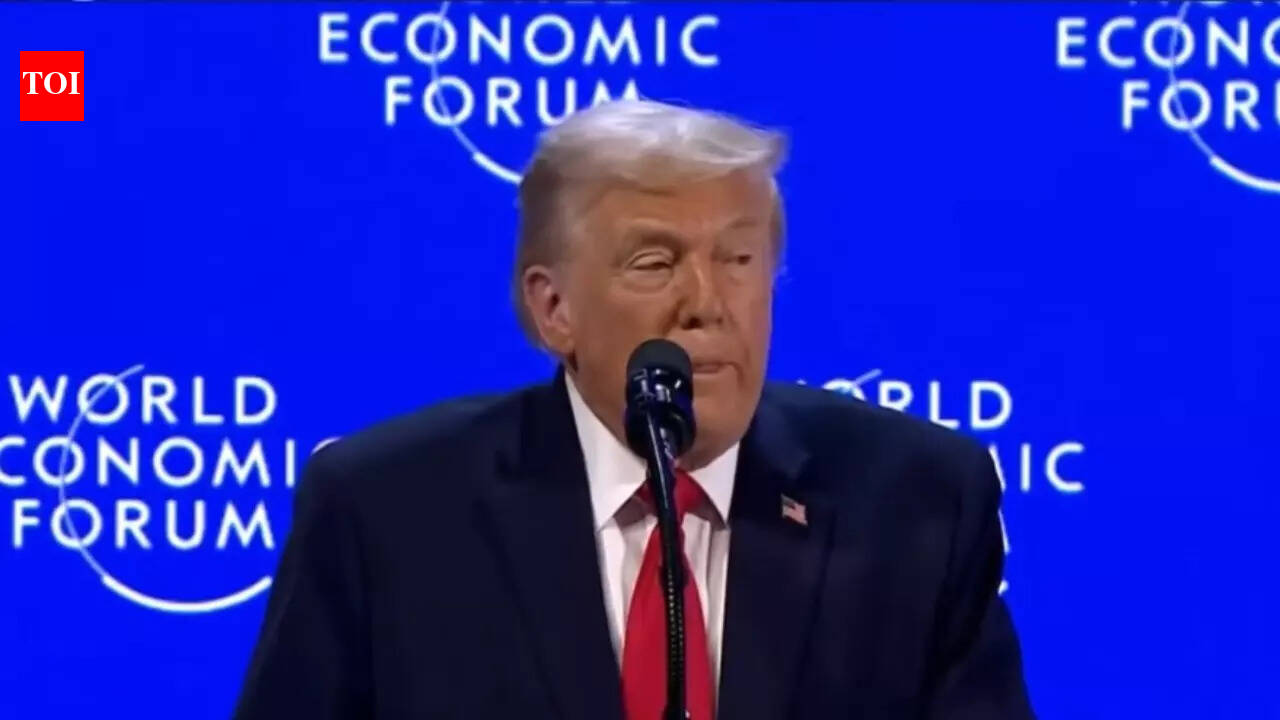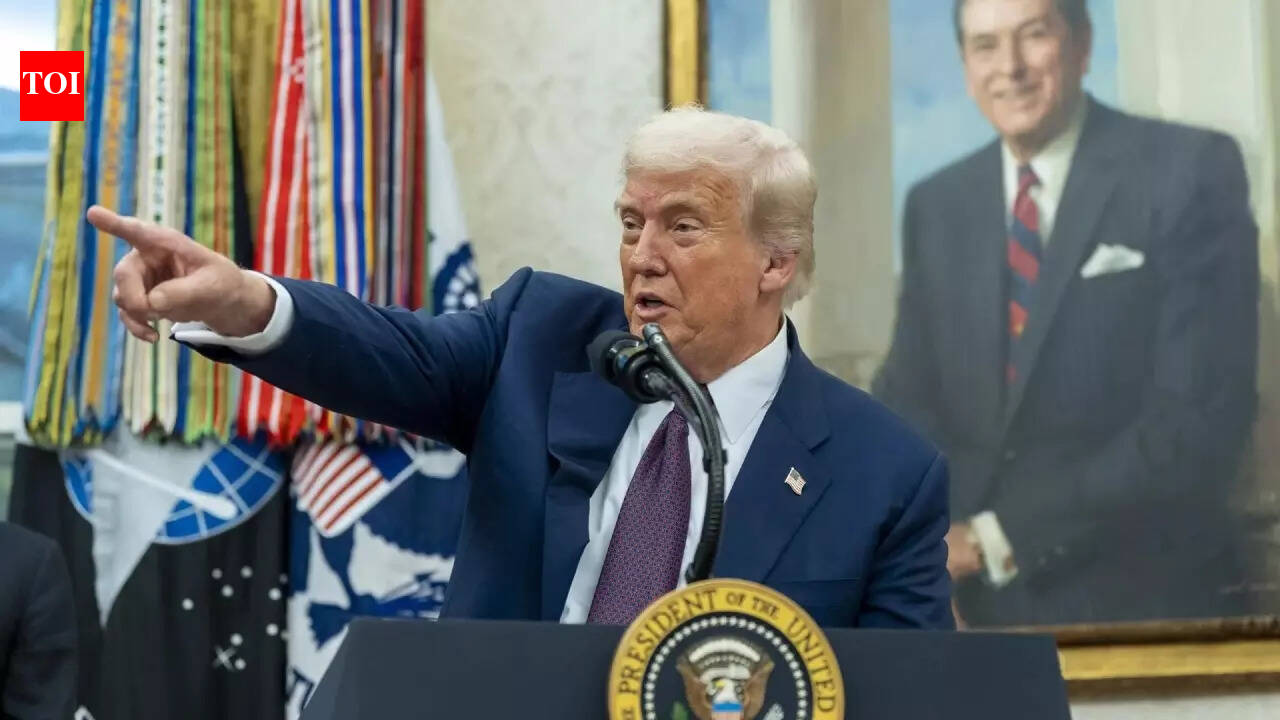

A UK-based author slammed Donald Trump for his Nato’s troop “stayed a little back, a little off the frontlines” claims and said that his son, who served in the army, received scars because the US triggered Article 5. Trump, during an interview with Fox News, claimed that troops from allied nations “stayed a little back, a little off the frontlines” while fighting in Afghanistan in support of the US campaign against the Taliban.
“We’ve never needed them … They’ll say they sent some troops to Afghanistan … and they did, they stayed a little back, a little off the frontlines,” he said, adding the US has been “very good to Europe and to many other countries. It has to be a two-way street,” the US president said. Reacting to the Trump’s claim, the author called him “prick” and said that his son spent 6 months in Iraq, and then two 7 month tours of Afghanistan with the Royal Marines. “He fought hard in Sangin saw friends die, or be maimed. He bears scars of his own, and he did it because the USA triggered article 5 Risible, amoral fucking bastard,” he added.
What is Article 5?
In the post on X, the author used the term “Article5.” So what is Article5 in Nato? The Article 5 of the North Atlantic Treaty stated that an armed attack against one Nato member shall be considered an attack against all members, and triggered an obligation for each member to come to its assistance. This assistance may or may not involve the use of armed force, and can include any action that Allies deem necessary to restore and maintain the security of the North Atlantic area. Nato’s Article 5 was consistent with Article 51 of the United Nations Charter, which recognised that a state that was the victim of an armed attack had the inherent right to individual or collective self-defence, and may request others to come to its assistance.
Fact Check: Did Article5 was invoked for US?
Yes, Nato invoked Article 5 for the first and only time in its history after the 9/11 terrorist attacks against the United States in 2001.In the immediate aftermath of the September 11, 2001 terrorist attacks, Nato moved swiftly to demonstrate solidarity with the United States. On 12 September, less than 24 hours after the attacks, Allies agreed that if the assault was directed from abroad, it would be considered an Article 5 case under the Washington Treaty — marking the first time Nato’s collective defence clause could be invoked. Following intelligence briefings, the North Atlantic Council formally confirmed on 2 October that the attacks fell under Article 5.Nato then approved a package of eight measures to support the US, including enhanced intelligence-sharing, strengthened security at Allied facilities, access to airspace, ports and airfields, and the deployment of naval and airborne assets. These decisions paved the way for Nato’s first-ever counter-terrorism missions. Operation Eagle Assist (2001–2002) saw Nato AWACS aircraft patrol US airspace, while Operation Active Endeavour launched maritime patrols in the Mediterranean to deter terrorist activity. Together, these actions marked a defining moment in Nato’s history and reshaped the Alliance’s role in global security. Go to Source