
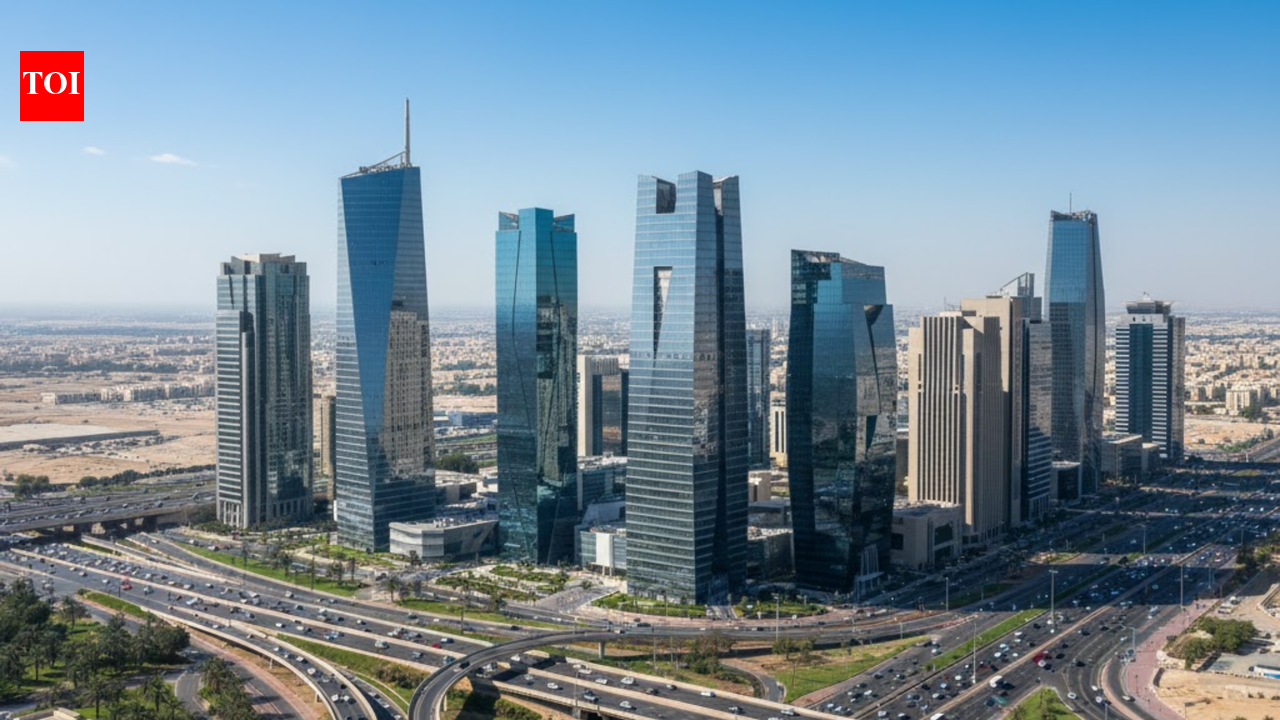

Saudi Arabia begins accepting property ownership applications from non-Saudis/Representative Image
The waiting is over. Saudi Arabia’s Real Estate General Authority has officially announced that the law allowing non-Saudis to own property entered into force yesterday, January 22. With this, applications are now being accepted through a unified digital platform, marking a decisive shift in how foreign individuals and companies can participate in the Kingdom’s real estate market under defined regulatory conditions.
A single digital gateway for all applications
All applications for property ownership by non-Saudis are being handled exclusively through the official digital platform, Saudi Properties. The portal serves as the sole gateway for submitting requests, completing procedures, and verifying compliance with the law’s requirements.The service applies to residents living in the Kingdom, non-residents abroad, as well as non-Saudi companies and entities. Each category follows a defined pathway, with eligibility checks and approvals built into the system.REGA has emphasized that Saudi Properties is directly linked to the national real estate registration system. This integration is intended to improve transparency, ensure legal clarity, and protect ownership rights throughout the process.
How the process differs by applicant type
The application process varies depending on the applicant category.Residents of Saudi Arabia can apply directly through the Saudi Properties portal using their residency identity number. Eligibility requirements are verified automatically, and the entire process is completed electronically without the need for physical paperwork.For non-residents, the process begins outside the Kingdom. Applicants must approach Saudi missions or embassies abroad, where a digital identity is issued. This digital ID then allows them to submit property ownership requests through the Saudi Properties platform.Non-Saudi companies and entities that do not have a physical presence in Saudi Arabia face an additional structured step. They must first register with the Ministry of Investment via the Invest Saudi platform and obtain a Unified Number, known as 700. Only after securing this number can they proceed with ownership applications electronically.
Where ownership is permitted and where limits apply
The regulation allows non-Saudi individuals, companies, and entities to own real estate across various regions of the Kingdom. However, ownership in key cities follows a more controlled approach.Riyadh and Jeddah, along with the holy cities of Makkah and Madinah, fall under a specific regulatory framework based on geographic zoning. The detailed Geographic Zones Document that will define eligible areas is expected to be announced in the first quarter of 2026.Ownership in Makkah and Madinah remains restricted. Only Saudi companies and Muslim individuals are permitted to own property in the two holy cities, whether they reside inside or outside the Kingdom.REGA has clarified that no specific residential or commercial projects have yet been officially approved for non-Saudi ownership. Any information circulating on such approvals has not been issued by the authority, and investors have been urged to rely solely on official announcements.
Why the law matters for the economy
Beyond ownership rules, the regulation is positioned as a strategic economic tool. According to REGA, the law aims to raise the quality of real estate development by attracting international developers and specialized companies.The authority expects the move to stimulate growth across residential, commercial, industrial, and tourism sectors. It is also projected to generate broader employment opportunities for Saudi citizens in real estate and urban development activities, while strengthening the sector’s contribution to non-oil gross domestic product.REGA has invited interested applicants to visit the Saudi Properties portal or contact the unified call centre on 920017183 for further information and guidance as the new system comes into effect. Go to Source

