



Not Hackers, Not Phones: Prince Harry’s Own Friends ‘Fed the Press’, Court Hears
In a legal drama unfolding in London’s High Court, Prince Harry, Duke of Sussex, has launched a high-stakes privacy lawsuit against Associated Newspapers Ltd (ANL), which is the publisher of the Daily Mail, Mail on Sunday and MailOnline, alleging rampant unlawful information gathering over decades. While the case includes claims of phone hacking, private investigator snooping and intrusive surveillance, one of the most talked-about elements is the defence argument that Harry’s own friends and social circle were a key source of media leaks. That assertion has sparked online debate, legal analysis and deeper scrutiny of how celebrity information circulates in the digital age.
Prince Harry and the High Court battle: An overview
Prince Harry’s lawsuit, brought alongside high-profile co-claimants including Sir Elton John, David Furnish, Elizabeth Hurley, Sadie Frost, Simon Hughes and Baroness Doreen Lawrence, alleges that ANL engaged in a “clear, systemic and sustained” culture of unlawful information gathering from the 1990s through at least the early 2010s. The legal team claims this included invasive tactics like phone and voicemail interception, hiring private investigators to obtain confidential personal details, and deceptive “blagging” of medical, financial or private correspondence.Harry’s counsel, David Sherborne, argued in court that such practices left the Duke “paranoid beyond belief”, created distrust in his personal relationships, and caused profound emotional harm. The claimants maintain the behavior was a pattern, not isolated incidents, damaging their lives and reputations.Strongly denying the allegations, ANL argues that many of the publications in question were based on legitimate sources, including individuals within the claimants’ own social circles who willingly shared private details. This defence focus on “leaky” friends and insiders has emerged as a central, controversial narrative in the courtroom dispute.
Prince Harry’s “leaky friends”: What the defence is arguing
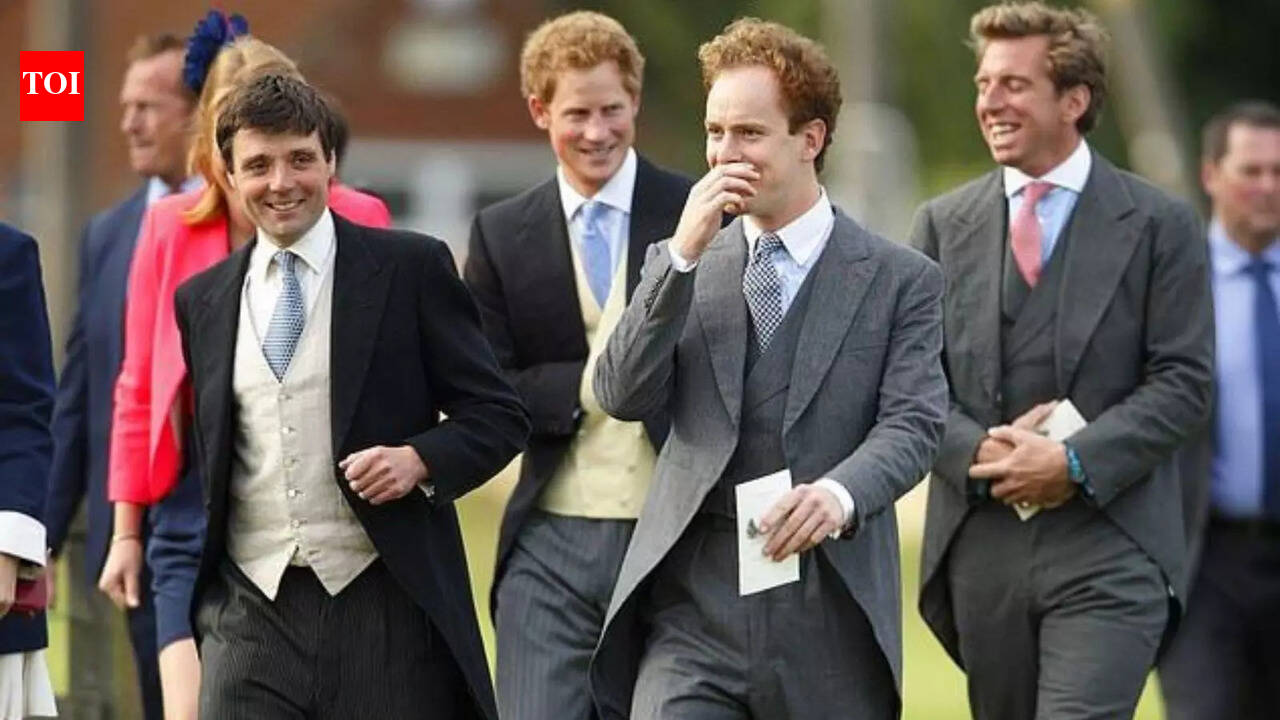
One of the most striking points in ANL’s response is its contention that Harry’s social circle was “known to be a good source of leaks or disclosure” to the media. In written submissions, the publisher insisted that information published about Harry’s life often came from friends, associates or even official spokespeople, not from illegal activity by journalists.

LONDON, ENGLAND – JANUARY 19: Prince Harry, Duke of Sussex, leaves the High Court after the first day of a court case against Associated Newspapers Ltd on January 19, 2026 in London, England. A group of claimants including Prince Harry, Duke of Sussex, Sir Elton John and Elizabeth Hurley are suing the publishers of the Daily Mail for alleged unlawful information gathering from 1993-2011. (Photo by Dan Kitwood/Getty Images)
“Leaky” friends, according to the defence, included people close enough to observe personal details about Harry’s relationships, outings, conversations or private plans and who then passed that information on to reporters, willingly or inadvertently. ANL lawyers have argued that these could be friends, social acquaintances, freelance journalists, press officers and even palace spokespeople.In layman’s terms, the defence position is that some information in tabloid stories might not have originated from unlawful hacking or spying but rather from people in Harry’s wider circle talking, sometimes accidentally, to the press. ANL’s counsel described this not as “illicit behaviour” but as standard journalistic sourcing, where journalists use multiple channels, including friendly insiders, to gather material for articles.For decades, tabloids have relied on a mix of official press releases, social gatherings, public sightings and off-the-record chats with sources close to public figures. The defence is leaning on this norm to argue that many of the disputed Daily Mail stories were legitimately sourced through such human networks, rather than through illegal surveillance.
Prince Harry’s “friends as sources” defence
The emphasis on “leaky friends” is not just a media talking point, it directly challenges the core of Harry’s allegations. If the defence can convincingly claim that published details genuinely came from willing sources rather than unlawful tactics, it could weaken the case that ANL engaged in illegal conduct.Critics of the defence say this argument can be a convenient narrative to deflect blame, shifting focus away from potential wrongdoing and onto the private lives of the celebrities themselves. They note that claiming people “talked” or “leaked info” does not necessarily explain how deeply personal or sensitive material, such as medical details or intimate conversations, ever reached journalists without investigation.
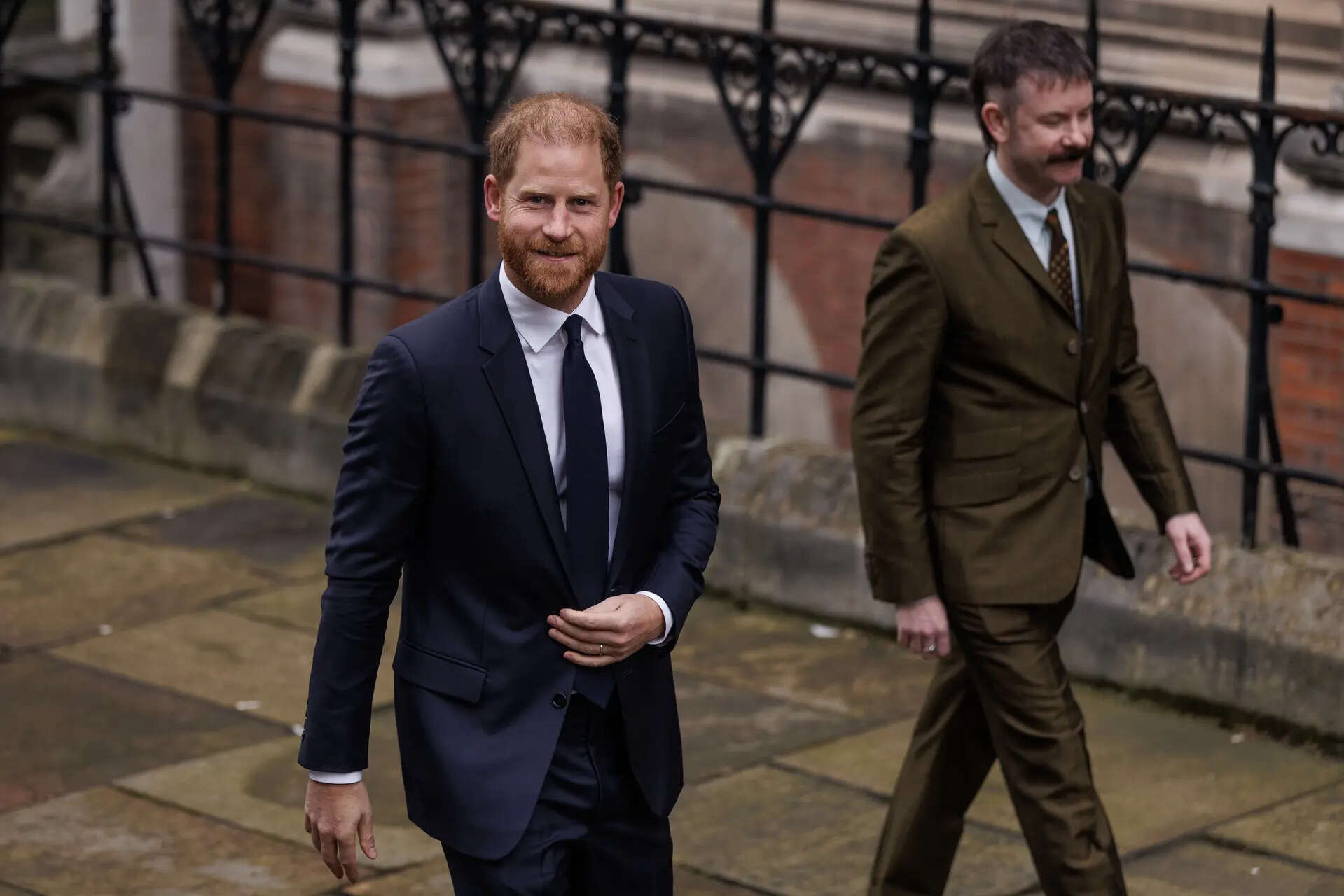
LONDON, ENGLAND – JANUARY 19: Prince Harry, Duke of Sussex, arrives for a court case against Associated Newspapers Ltd on January 19, 2026 in London, England. A group of claimants including Prince Harry, Duke of Sussex, Sir Elton John and Elizabeth Hurley are suing the publishers of the Daily Mail for alleged unlawful information gathering from 1993-2011. (Photo by Dan Kitwood/Getty Images)
Even if some information came from within Harry’s social circle, critics argue that people providing details should not be construed as giving journalists carte blanche to publish deeply personal or confidential information without consent. In privacy law, consent and context matter: simply having a “source” doesn’t always justify public dissemination.The debate hinges on how the court defines lawful journalistic practice in contrast to invasion of privacy. If the defence’s framing holds sway, it could make it harder for the claimants to prove systematic lawbreaking. However, if claimants show that the publisher used “source” labels to mask illicit information gathering, for example: presenting unlawfully obtained data as if it were voluntarily shared, that could strengthen Harry’s case of deception and misuse of private information.
Prince Harry’s view: Hiding illegal acts behind “friends” labels
Harry’s legal team argues that phrases like “source”, “friend” and “insider” were sometimes used strategically by journalists to obscure unlawful newsgathering, rather than to reflect genuine voluntary disclosure. In written submissions, Harry said it was “deeply troubling” that such terms could serve as a cover for information obtained through dubious means.His counsel insists that ANL’s defence effectively tries to reframe unlawful acts as mere journalistic sourcing, muddying the distinction between legitimate press behaviour and breach of privacy. According to claimants, this tactic not only undermines privacy rights but also creates fear and distrust in personal relationships, a harm Harry described as “paranoid beyond belief” and deeply distressing.In short, Harry’s side says the “friends as sources” narrative can sometimes be a smokescreen, masking deeper misconduct: secret listening, digital surveillance and covert tactics masked behind claims of legitimate sourcing.
Public and legal reaction: Why this debate resonates
The focus on friends and “sources” has captured public imagination because it touches on a broader cultural issue: how much privacy can public figures reasonably expect and what does “legitimate journalistic sourcing” really mean in the age of ubiquitous social media and gossip culture? Many commentators on X and Reddit are highlighting this angle, with some sarcastically commenting on how tightly connected social circles can inadvertently fuel media attention.

LONDON, ENGLAND – JANUARY 19: Prince Harry, Duke of Sussex arrives at The Royal Courts of Justice for a court case against Associated Newspapers Ltd on January 19, 2026 in London, England. A group of claimants including Prince Harry, Duke of Sussex, Sir Elton John and Elizabeth Hurley are suing the publishers of the Daily Mail for alleged unlawful information gathering from 1993-2011. (Photo by Peter Nicholls/Getty Images)
Even outside royal circles, legal experts say this case may redefine how courts view the relationship between private social networks and media reporting, especially where trust, confidentiality and reputation are concerned. If friends or insiders are deemed legitimate sources for exposing personal details without context or consent, that could expand what media outlets consider acceptable newsgathering. Conversely, if courts push back, it could tighten privacy protections for individuals beyond the royals.This debate also reflects wider public scepticism about media practices, particularly how popular tabloids have historically blurred the lines between public interest and sensationalism. For many observers, the spotlight on “leaky friends” underscores the complexity of privacy in the digital age, where personal networks, oversharing and media appetite intersect in unpredictable ways.Prince Harry’s High Court battle with Associated Newspapers is more than a legal dispute; it is a cultural flashpoint about who controls personal information and how privacy rights should be balanced against media freedom. At its heart lies a provocative question: when does information from friends become a legitimate source and when does it become a weapon against privacy?The defence’s claim that Harry’s own circle was a “good source of leaks” is not just a defensive tactic in court, it frames the entire narrative of how celebrity life intersects with media scrutiny in the 21st century. Whether this argument ultimately wins the day in court, or ends up reinforcing the need for stronger privacy protections, it will likely influence future debates on press ethics, social networks and the subtle ways in which personal details make their way into headlines. Go to Source