
Tuesday, January 13, 2026
8.1 C
New Delhi

The Great Pacific Garbage Patch is becoming home to some aquatic species

The Great Pacific Garbage Patch is becoming home to some aquatic species

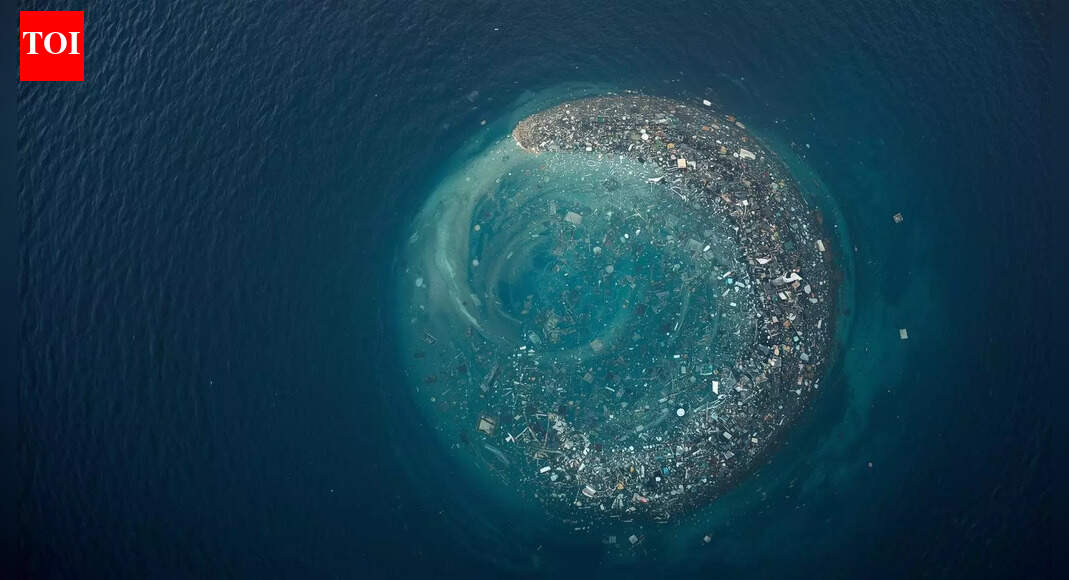
The Great Pacific Garbage Patch is becoming home to some aquatic species. AI-generated

Plastic drifts across the Pacific in no particular hurry. Some pieces have been moving for years, thinning and softening as the sun and salt work on them. Far from land, where the sea usually offers little to cling to, those fragments have started to matter differently. Small animals have found them. They stay. They grow. Some even reproduce. This was not what scientists expected to see when they began pulling plastic from the middle of the ocean. The open sea was meant to be too exposed, too empty. But the plastic remains. It floats. It lasts. And slowly, almost quietly, it is being used. The garbage patch is still polluted. It is also now inhabited.

Scientists find unexpected marine life living on plastic garbage in the Pacific

The study published in Nature, came from a close look at 105 large pieces of plastic collected from the North Pacific Subtropical Gyre. This is the slow-moving system of currents where floating debris tends to gather. Nearly all of the items carried life. Barnacles were common. So were crabs, amphipods, sea anemones and other small invertebrates. In total, researchers counted 46 different kinds of animals. Many of them were not supposed to be there at all. They normally live near coasts, attached to rocks or harbour walls. Yet here they were, thousands of kilometres from shore.

Coastal animals should not survive there

For a long time, scientists assumed the open ocean was off limits to coastal species. There is no seabed to anchor to and little shelter from waves or predators. Food is less predictable. Conditions change fast. The idea was that coastal animals lacked the ability to cope with this. What the plastic shows is something simpler. The problem may never have been the water. It may have been the lack of a surface. Once that surface appeared, in the form of floating waste, the rules shifted.

Plastic is working as a home for these species

Not all debris is equal. Nets and ropes turned out to host the most life. Their twisted shapes create pockets and shade. They offer grip. Some pieces had clearly been at sea for many years, worn down to a thin and brittle state. Still, they held on. These objects act like small rafts. Over time, they collect layers of organisms, some feeding, some sheltering, some just staying put. It is not a reef. It is not land. But it is enough.

Are these animals just passing through

They are not only clinging on. Many are breeding. Scientists found females carrying eggs and signs of different growth stages on the same object. Young people and adults shared the space. Sea anemones showed several size classes living together. This suggests more than chance arrival. It points to persistence. Some species reproduce without needing a mate or release young that settle quickly. Those traits may help them survive long journeys on drifting plastic.

Some of these species are related to Japan

Most of the animals identified trace back to the western Pacific. Several are known from the coast of Japan. A few pieces of debris even carried markings from East Asia, though most plastic had lost any clear sign of origin. Tsunami-related debris from past events may have played a role, but the broader picture is movement. Plastic travels easily. Life goes with it. Over time, species from one coastline can end up established far beyond their usual range.

What this means for the ocean

This new floating community is sometimes called neopelagic. It exists because the plastic exists. It does not replace natural ecosystems. It alters them. Coastal species now mix with open ocean ones on the same debris. How that affects food webs, or competition, is still unclear. There is no neat ending here. The plastic problem remains. What has changed is the understanding. The high seas are not as empty as they once seemed. They are being reshaped, slowly, by what we leave behind. Go to Source

Hot this week

UAE issues weather alert as dense fog causes traffic delays in Abu Dhabi, Dubai and Sharjah

Dense fog blankets UAE roads this morning, causing slow traffic / AI Image Commuters across the UAE woke up to a challenging start this Tuesday morning as a combination of thick blankets of fog and heavy traffic bottlenecks gripped t Read More

‘Dangerous, inexplicable escalation’: US slams Russia over nuclear-capable missile hit on Ukraine

In a rare criticism of Russia, the Donald Trump administration has condemned the attack on Ukraine with nuclear-capable missile Oreshnik and called it a ‘dangerous and inexplicable escalation’ that risked ‘expanding and intensifying Read More

A ‘kill switch’, morgues filled with body bags: How Iran is silencing dissent through deadly force

Iran is facing its most serious unrest since the 1979 Islamic Revolution as protests over economic hardship spread nationwide. Security forces have responded with deadly force, mass arrests, and a near-total internet blackout. Read More

A Village That Whistles: Inside Meghalaya’s Super Unique Hamlet Where Every Person’s Name Has A Special Tune

A village in Meghalaya where people never call names but whistle tunes. Discover Kongthong’s musical identity tradition, Khasi culture, food, and matrilineal way of life. Read More

Managing Diabetes, Hypertension And Cholesterol Together: A Holistic Approach to Triple Risk Control

Managing diabetes, high blood pressure, and cholesterol together is key to reducing heart and stroke risk. Read More

Topics

UAE issues weather alert as dense fog causes traffic delays in Abu Dhabi, Dubai and Sharjah

Dense fog blankets UAE roads this morning, causing slow traffic / AI Image Commuters across the UAE woke up to a challenging start this Tuesday morning as a combination of thick blankets of fog and heavy traffic bottlenecks gripped t Read More

‘Dangerous, inexplicable escalation’: US slams Russia over nuclear-capable missile hit on Ukraine

In a rare criticism of Russia, the Donald Trump administration has condemned the attack on Ukraine with nuclear-capable missile Oreshnik and called it a ‘dangerous and inexplicable escalation’ that risked ‘expanding and intensifying Read More

A ‘kill switch’, morgues filled with body bags: How Iran is silencing dissent through deadly force

Iran is facing its most serious unrest since the 1979 Islamic Revolution as protests over economic hardship spread nationwide. Security forces have responded with deadly force, mass arrests, and a near-total internet blackout. Read More

A Village That Whistles: Inside Meghalaya’s Super Unique Hamlet Where Every Person’s Name Has A Special Tune

A village in Meghalaya where people never call names but whistle tunes. Discover Kongthong’s musical identity tradition, Khasi culture, food, and matrilineal way of life. Read More

Managing Diabetes, Hypertension And Cholesterol Together: A Holistic Approach to Triple Risk Control

Managing diabetes, high blood pressure, and cholesterol together is key to reducing heart and stroke risk. Read More

Priyanka Chopra Reimagines The Corset Dress For A Modern After-Party Moment

At the Golden Globes after party, Priyanka Chopra stunned in a floor-length strapless silver corset gown. She paired the look with. Bulgari’s Serpenti Baia shoulder bag. Read More

How Everyday Habits Around Cleanliness, Checking And Perfectionism Can Quietly Turn Into OCD

Experts explain how everyday habits around cleanliness, checking, routines, and perfectionism can quietly evolve into OCD, how it differs from personality traits, when to seek help Go to Source Author: News18 Read More

S Jaishankar Launches BRICS 2026 Website, Logo And Theme As India Takes Charge

Jaishankar said the BRICS logo reflects the colours of all member countries. He noted that the design symbolises unity and equal representation within the grouping. Read More

Related Articles