


What if the air you breathe carries more than just dust and pollution?
A new scientific investigation suggests that Delhi’s atmosphere may also be carrying dangerous antibiotic-resistant bacteria, a hidden threat that could have serious consequences for public health.
Researchers from Jawaharlal Nehru University (JNU) have uncovered disturbing evidence showing unusually high concentrations of antibiotic-resistant “superbugs” present in both indoor and outdoor air across several parts of the capital.
ALSO READ: 20 New Diarrhoea Cases Detected In Indore; 142 In Hospitals
Superbugs Detected Far Beyond Safe Limits
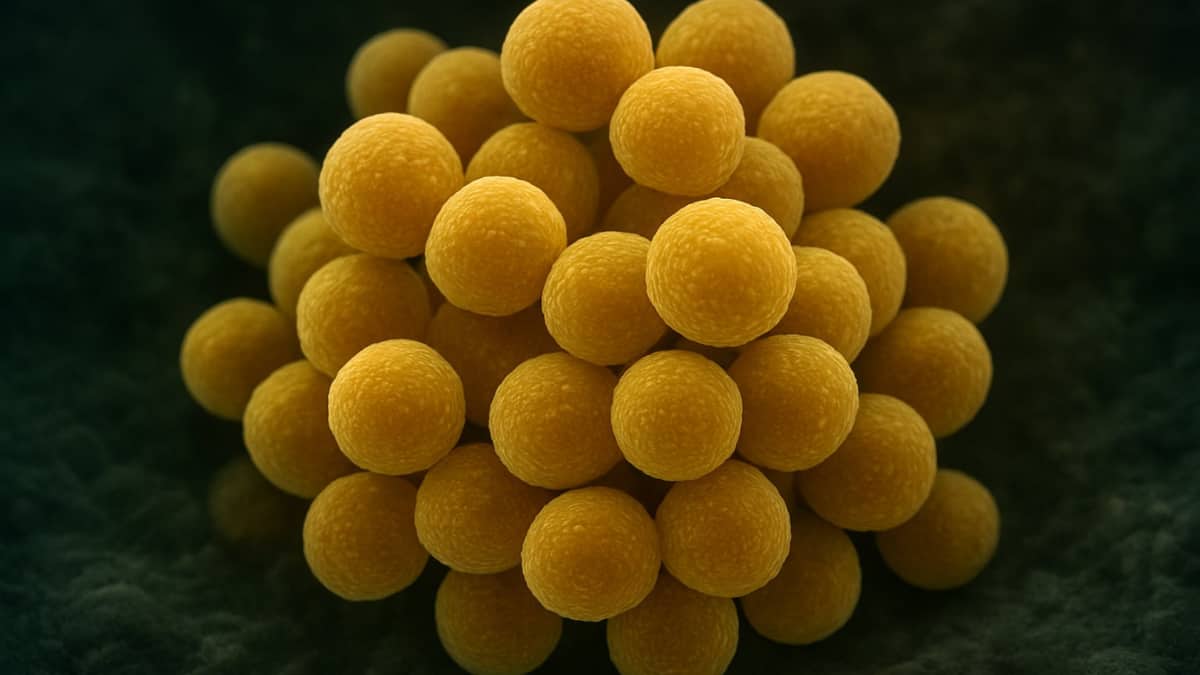
The study focused on airborne microbial contamination, particularly bacteria that no longer respond to common antibiotics, along with the genes responsible for this resistance. According to the findings, staphylococcal bacteria levels in Delhi’s air were far higher than the limits recommended by the World Health Organization for safe microbial exposure.
Air samples were collected from diverse urban locations, including the Vasant Vihar Urban Slum, Munirka Market Complex, Munirka Apartments, and the Sewage Treatment Plant at JNU. Each site revealed significant contamination, painting a concerning picture of the city’s invisible health risks.
Winter Brings The Highest Risk
Seasonal patterns emerged clearly from the analysis. Airborne methicillin-resistant staphylococci (MRS) were found in their highest concentrations during winter months, while monsoon rainfall appeared to dilute outdoor contamination levels.
The team documented the presence of eight distinct staphylococcal species, with human-linked Staphylococcus epidermidis and animal-associated Staphylococcus arlettae emerging as the most common.
“Eight staphylococcal species were identified, with Staphylococcus epidermidis and Staphylococcus arlettae being the most prevalent human- and animal-associated species, respectively,” said the researchers Himani Kumari and Madhuri Singh, from JNU’s School of Environmental Sciences, in the paper.
Multidrug Resistance Raises Alarm
Even more troubling was the bacteria’s resistance profile. Nearly 73 percent of the methicillin-resistant samples showed multidrug resistance, making them immune to several widely used antibiotic classes, including macrolides and beta-lactams.
Genetic testing confirmed the presence of multiple antibiotic resistance genes, offering resistance against medications such as trimethoprim, gentamicin, chloramphenicol and lincosamides. Among the most concerning discoveries: 14 of 36 multidrug-resistant isolates carried the mecA gene, a known marker of methicillin resistance.
Why This Matters For Urban Health
“These findings raise serious concerns about the role of urban air as a reservoir for antibiotic resistance,” the researchers warned.
“This study emphasises the potential health risks posed by airborne reservoirs of antibiotic resistance in urban environments and underscores the urgent need for comprehensive environmental AMR surveillance to develop effective mitigation strategies,” the team said.
They further stressed that constant monitoring of both resistant bacteria and their genetic markers is essential to fully understand the scale of the crisis.
“Such efforts are essential to accurately assess the scope of the AMR threat and to inform the development of integrated action plans aimed at mitigating the growing challenges posed by AMR in urban settings,” the researchers said.
What Lies Ahead
As Delhi continues to grapple with air pollution, this study adds a new and unsettling dimension to the health risks residents face. The threat is invisible, complex and evolving, making proactive surveillance and policy action more critical than ever.
Check out below Health Tools-
Calculate The Age Through Age Calculator