


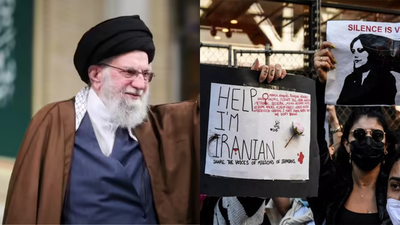
Photo credit: AP, ANI
At least seven people, including protesters and security personnel, have been killed as Iran faces widening protests over its ailing economy, authorities said. The demonstrations, the biggest in the country since 2022, entered the fifth day on Thursday spreading from Tehran to several rural provinces amid soaring inflation, record currency collapse, and growing civil disobedience, reported AP.
The protests began on Sunday in Tehran’s major bazaars after the rial plunged to record lows, sharply increasing prices and living costs. By Tuesday, unrest spread to students and residents in multiple cities, including Shiraz, Isfahan, Kermanshah, and Fasa. Videos showed protesters chanting slogans like “Death to the Dictator” and “Death to Khamenei” while clashing with security forces. According to the NY Post, additional footage from MEK shows crowds across Iran chanting slogans such as “Death to Khamenei!” and “Shame on you, shame on you!” as protests, particularly led by bazaar merchants in Tehran, continue to spread nationwide.

Iran Protests- Timeline
President Masoud Pezeshkian acknowledged public anger and promised to listen to the “legitimate demands” of protesters, while warning against attempts to create instability. Authorities also made economic and security adjustments, appointing a new central bank chief and tightening security around universities.The current wave of unrest is the largest since the 2022 protests following Mahsa Amini’s death in police custody, highlighting broader public frustration over inflation, unemployment, water shortages, and governance issues.
10 things to know:
- Seven killed in two days: Authorities and rights groups reported seven deaths over Wednesday and Thursday, including both demonstrators and members of Iran’s security forces. At least one death occurred in clashes, state media said, as the government tried to quell unrest fueled by financial woes.
- Protests spread beyond Tehran: Demonstrations, initially concentrated in Tehran, have widened to several provinces, including areas with significant Lur populations. The geographic spread has raised concerns of a tougher security response.
- Azna emerges as violence hotspot: Clashes were most intense in Azna, Lorestan province, where online videos showed fires burning and gunfire echoing through the streets. Semiofficial Fars news agency reported three deaths there.
- Fatal shootings in Lordegan: In Lordegan, Chaharmahal and Bakhtiari province, videos showed protesters amid gunfire. Fars reported two deaths, while a US-based rights group identified them as demonstrators.
- Death in Fuladshahr: State media reported the death of a man in Fuladshahr, Isfahan province, which activist groups attributed to police opening fire on protesters.
- Basij volunteer killed in Kouhdasht: A 21-year-old volunteer from the Revolutionary Guard’s Basij force died during protests in Kouhdasht, Lorestan. Authorities blamed demonstrators and reported 13 Basij members and police injured.
- Economic crisis drives unrest: Protests are fueled by inflation, currency depreciation, and rising living costs. The rial has sharply fallen, with $1 now costing around 1.4 million rials. CNN reported shopkeepers, bazaar merchants, and students protesting unaffordable rent and essentials.
- Government-ordered shutdowns: Iran’s unrest entered its fourth day on Wednesday as authorities declared a sudden public holiday across 21 of 31 provinces, shutting markets, universities, and offices. The move was seen as an attempt to curb protest spread, AFP reported.
- Leadership under pressure: CNN noted that Iran’s 86-year-old Supreme Leader Ayatollah Ali Khamenei faces overlapping crises, including economic collapse, water shortages, civil disobedience, and a weakened military. Analysts say he is avoiding major decisions as options carry significant risks.
- Security crackdown and arrests: Authorities said at least 20 people were arrested in Kouhdasht. State TV reported seven more arrests and the seizure of 100 smuggled pistols. Media coverage remains limited, as journalists face arrest for protest reporting, a pattern continuing since the 2022 unrest.
With inputs from AP

