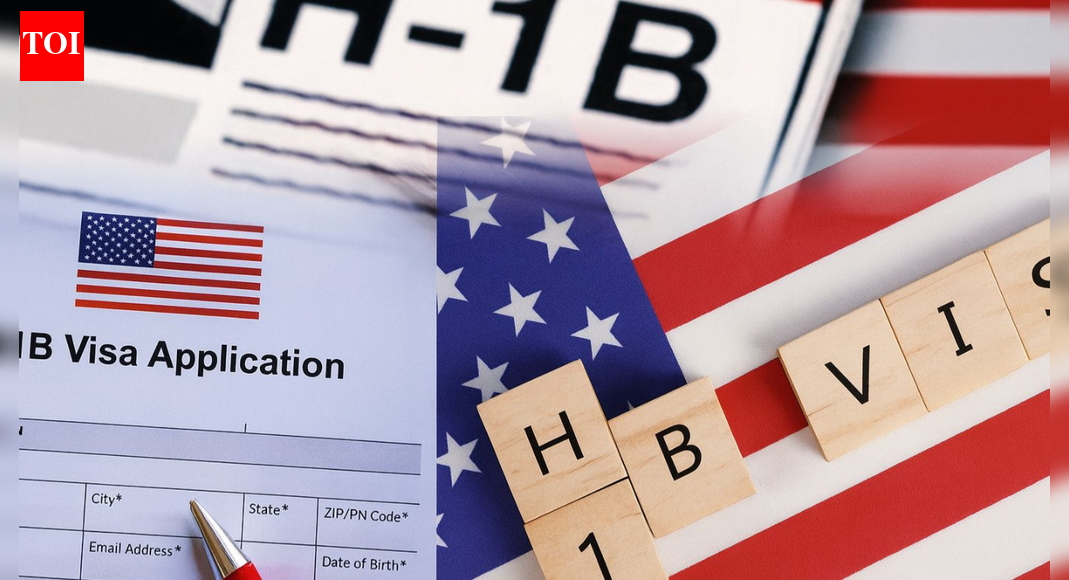

Though the new H-1B rules, based on wage, will do away with the existing random lottery, it will not make much difference if the proposed fee of $100,000 remains, as companies will still think twice before hiring H-1Bs who now have a better chance of getting a higher wage in the new rules. Indian-origin attorney Rahul Reddy said this wage-based model assumes steady participation across wage levels and locations but the assumption becomes less reliable when combined with a proposed $100,000 fillinf fee for H-1B cases initiated from outside the US. “Even if a role qualifies for a higher wage level and stronger lottery odds, the cost of entry changes employer behavior. At some point, employers stop asking what their chances are and start asking whether filing makes sense at all. Higher odds do not matter if demand falls. If overseas filings decline sharply, the pool shrinks, and projected selection percentages may no longer reflect real-world outcomes,” Rahul Reddy said.
Four wage levels
Level I wage generally reflects entry-level roles with limited experience and supervision. Under the weighted system, a Level I registration enters the lottery once. A Level II wage, representing more experience and independent work, enters the pool twice. Level III wages, typically for advanced or specialized roles, enter three times. Level IV wages, associated with senior, highly skilled positions, enter the lottery four times.Each beneficiary is still counted only once toward the annual cap, but the number of entries affects the odds. So estimated chances of selection rise materially with wage level. Level IV roles may see selection probabilities exceeding 60 percent, Level III around the mid-40 percent range, while Level I roles experience a much lower likelihood. The lottery still involves chance, but it is no longer blind. When odds are multiplied, randomness gives way to weighting.
But $100k fee…
“This wage-based model assumes steady participation across wage levels and locations. That assumption becomes less reliable when combined with a proposed $100,000 filing fee for H-1B cases initiated from outside the United States. Even if a role qualifies for a higher wage level and stronger lottery odds, the cost of entry changes employer behavior,” Reddy said.”At some point, employers stop asking what their chances are and start asking whether filing makes sense at all. Higher odds do not matter if demand falls. If overseas filings decline sharply, the pool shrinks, and projected selection percentages may no longer reflect real-world outcomes,” Reddy added. Go to Source