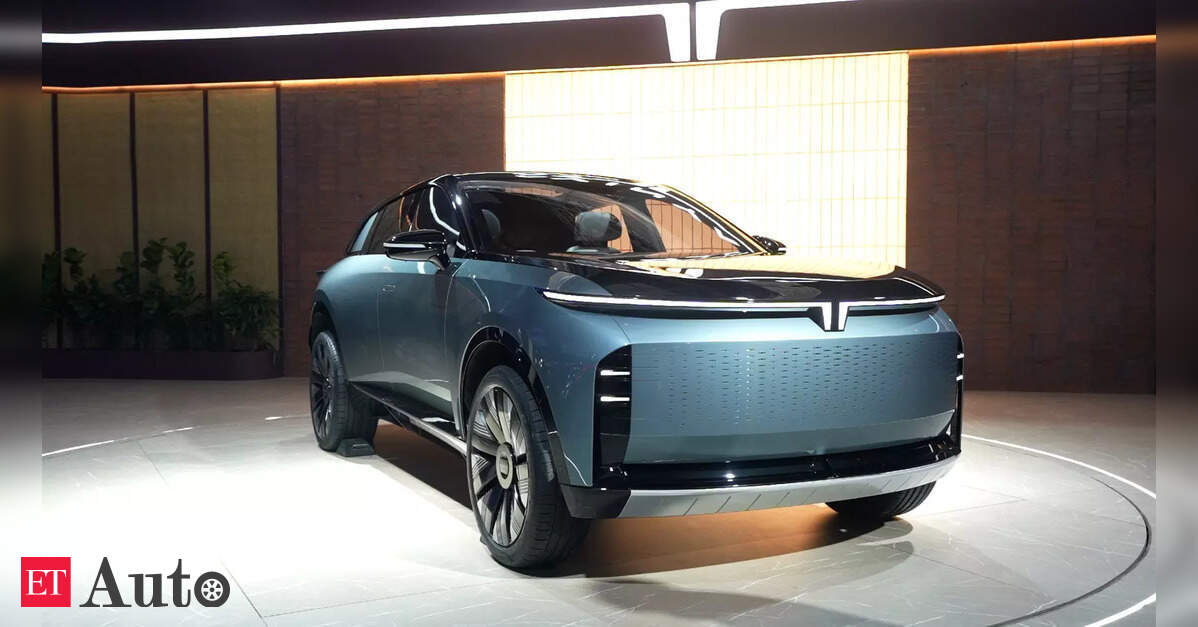

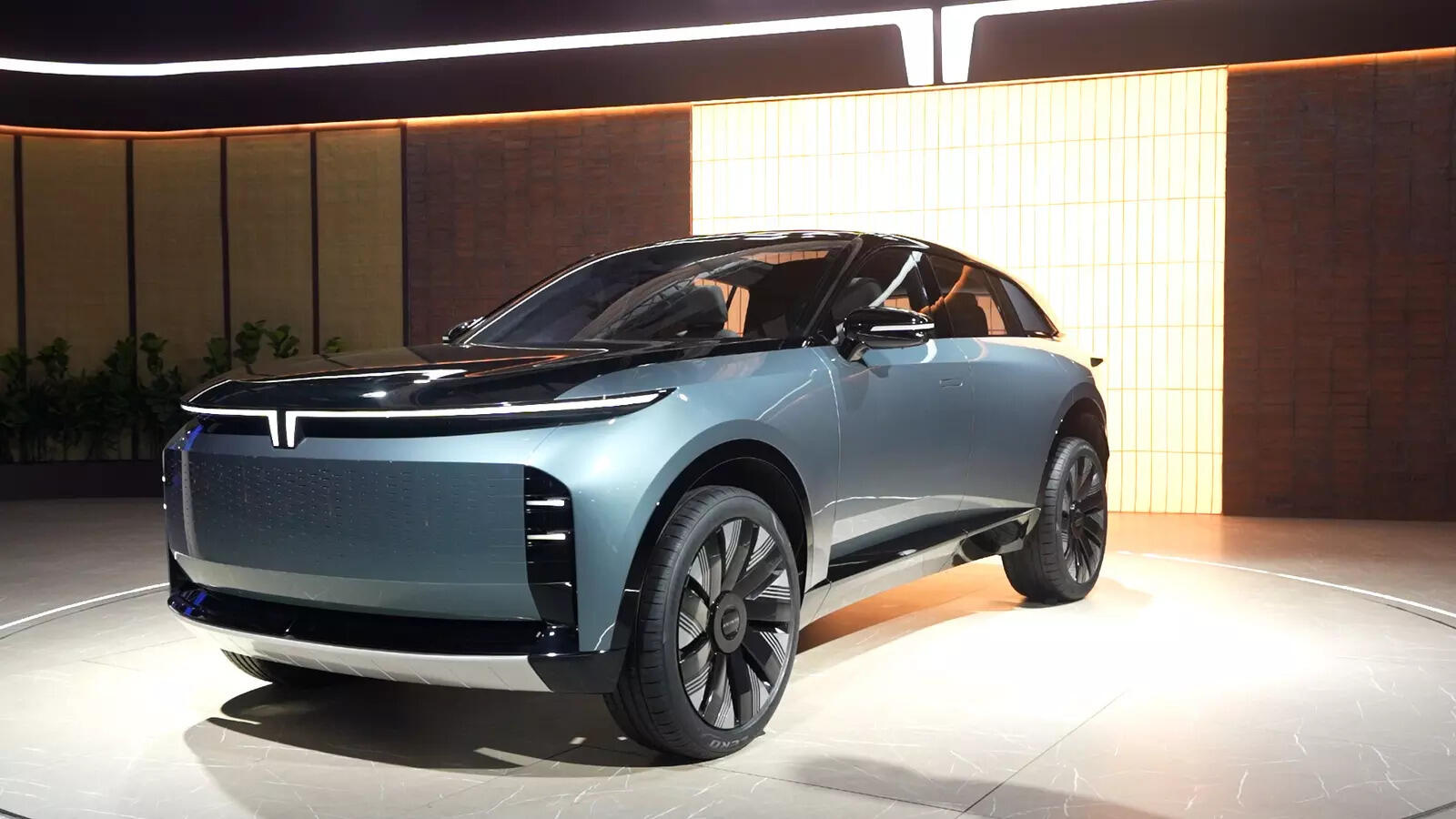
 Tata Avinya
Homegrown-automaker Tata Motors passenger vehicles is planning to level up its electric vehicles (EV) game with plans to foray into the premium EV segment through Avinya along with adding five new name plates to its portfolio.
“The intent with Avinya is to showcase what India can deliver in premium electric mobility, both in terms of technology and design,” said Shailesh Chandra, Managing Director of Tata Motors Passenger Vehicles during a press conference.
Slated for the premium brand by the end of 2026, the company will initially bring the Sierra EV and Punch EV to market. Tata Motors’ flagship products, including Nexon EV, Punch EV, Tiago EV, and Curvv EV, have cumulatively sold over 2,50,000 vehicles.
To further strengthen the EV market share, the company has announced a capex for EV products, platforms and ecosystem. With a target of gaining 45-50 per cent market share in the EV ground from the current 40-45 per cent share.
“We have committed a capital investment of ₹16,000 crore–₹18,000 crore over FY25 to FY30 to strengthen our electric vehicle portfolio, platforms and the supporting ecosystem,” Chandra added.
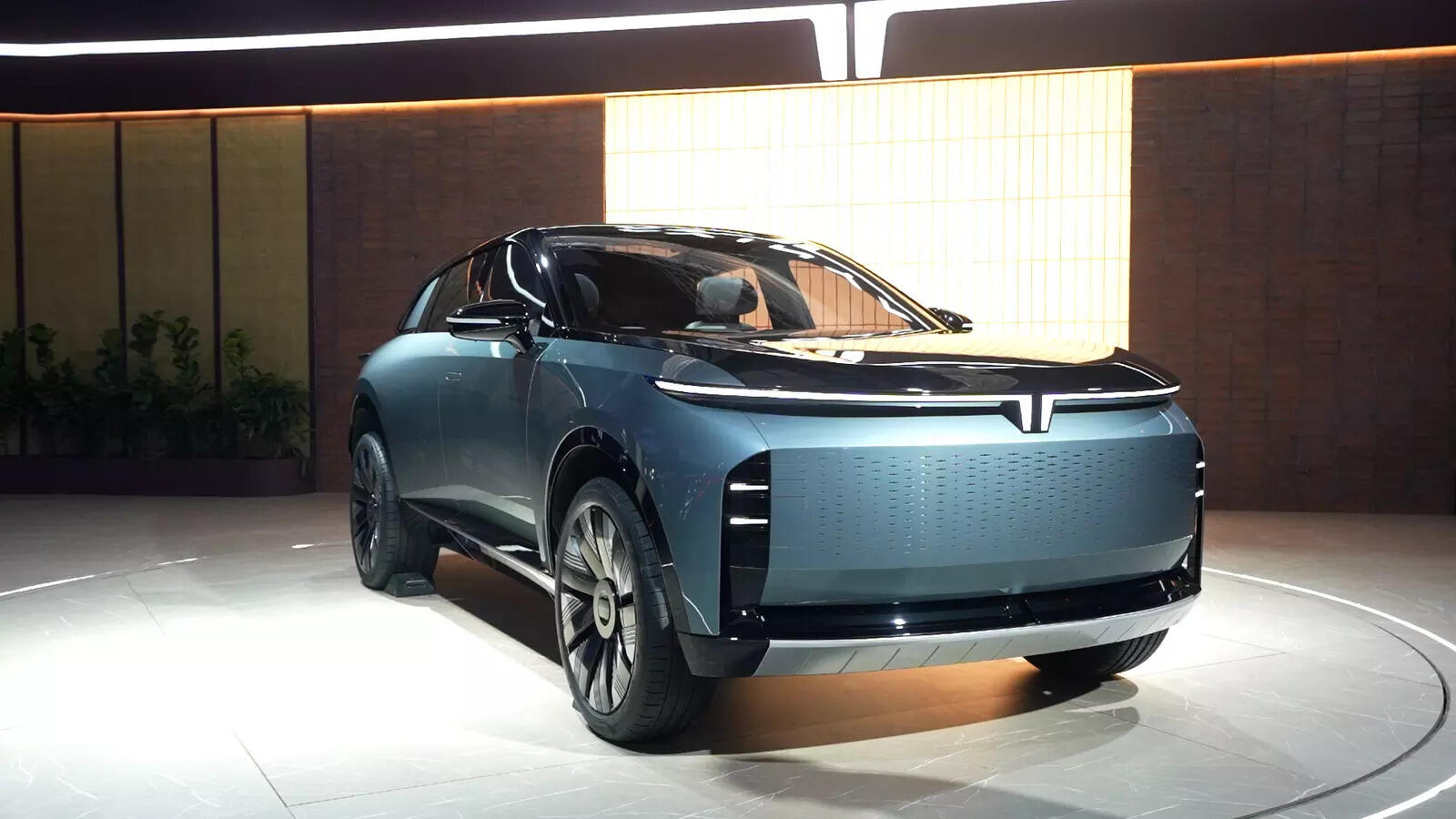
The premium EV strategy
Avinya will be positioned as a distinct, premium EV brand, separate from its mass-market portfolio, he added. It will first introduce it in a sports utility vehicle, with new body styles in discussion for the range. The premium range which will compete with Hyundai Ioniq 5, Kia EV 6, Tesla Model Y, and Volvo will have a ‘hybrid’ market strategy, combining physical retail and digital engagement.
On the battery side, the company is open to explore beyond LFP, depending on the range, packaging, safety and charging needs. It is also working in synergy with Jaguar Land Rover on select Avinya technologies and architectures.
“We are working in a highly synergistic manner with Jaguar Land Rover on select aspects of the Avinya platform, including electrical architecture and safety,” he added.
The Maharashtra-based automaker is targeting 40,000 charger points by 2027 through Tata.ev with an open collaboration framework. Along with this, it targets one million charge points and one lakh public charge points by 2030.
The company added that it has achieved over 50 per cent domestic value addition at tier-3 level, qualifying for PLI. Used EV batteries are already being deployed in renewable energy storage, the management added.