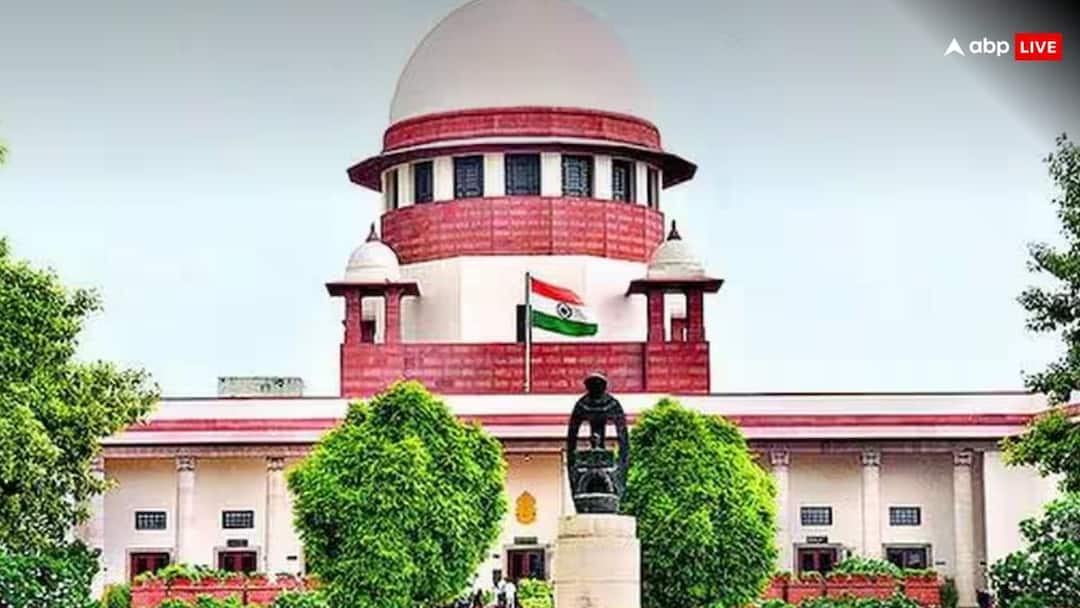

The Supreme Court on Thursday dismissed a public interest litigation (PIL) that sought the adoption of World Health Organization (WHO) standards for permissible levels of cancer-causing chemicals in packaged food and drinking water. The court took a sharp view of the plea, describing it as reflective of an “urbanised phobia of the rich,” and underscored the need to view public health concerns in the context of India’s socio-economic realities.
The petition had challenged existing norms framed by the Food Safety and Standards Authority of India (FSSAI) and called for stricter global benchmarks to be applied uniformly across the country.
Challenge To FSSAI, BIS Standards
The PIL questioned the legality of FSSAI regulations that permit specified levels of antimony and di-(2-ethylhexyl) phthalate (DEHP) in packaged food and bottled drinking water, as per a report on NDTV. These substances can leach into consumables from plastic bottles and packaging materials.
The petitioner argued that the permitted limits under Indian regulations were higher than those recommended by the WHO and therefore posed a serious health risk. The plea relied on Section 18 of the Food Safety and Standards Act, 2006, which mandates that international standards be taken into account while framing domestic food safety norms.
In addition, the PIL challenged rules notified by the Bureau of Indian Standards (BIS) in 2022 that regulate the migration of DEHP from plastic packaging into food products, claiming these rules diluted public health safeguards.
Bench Cites Ground Realities, Invokes Gandhi
Responding to the plea, Chief Justice of India Surya Kant urged the petitioner to step outside an urban-centric perspective. He pointed out that a large section of India’s population still struggles to access clean and safe drinking water, making the blanket application of stringent international norms impractical in the present context, as per a report on News18.
Referring to Mahatma Gandhi, the Chief Justice said Gandhi travelled extensively to poor and marginalised regions to understand the country’s real challenges. He advised the petitioner to do the same before approaching the court with what it viewed as abstract fears disconnected from the lived experiences of millions.
The court’s remarks suggested that regulatory frameworks must strike a balance between ideal global standards and the immediate needs of a developing country.
Health Risks Flagged, Relief Sought
The PIL had highlighted scientific studies linking antimony and DEHP to serious health concerns. Antimony exposure has been associated with increased cancer risk, while DEHP is known to affect the male reproductive system and disrupt hormonal balance.
On these grounds, the petitioner sought interim directions directing authorities to apply WHO-prescribed limits until FSSAI and BIS revised their standards. The plea also asked the government to conduct transparent and periodic risk assessments and to proactively inform the public about the potential dangers of chemical exposure from plastic packaging.
However, the Supreme Court was unconvinced that judicial intervention was warranted at this stage. By dismissing the petition, the court signalled its reluctance to substitute regulatory judgment with court-mandated standards, particularly in matters involving complex policy choices and public health trade-offs.