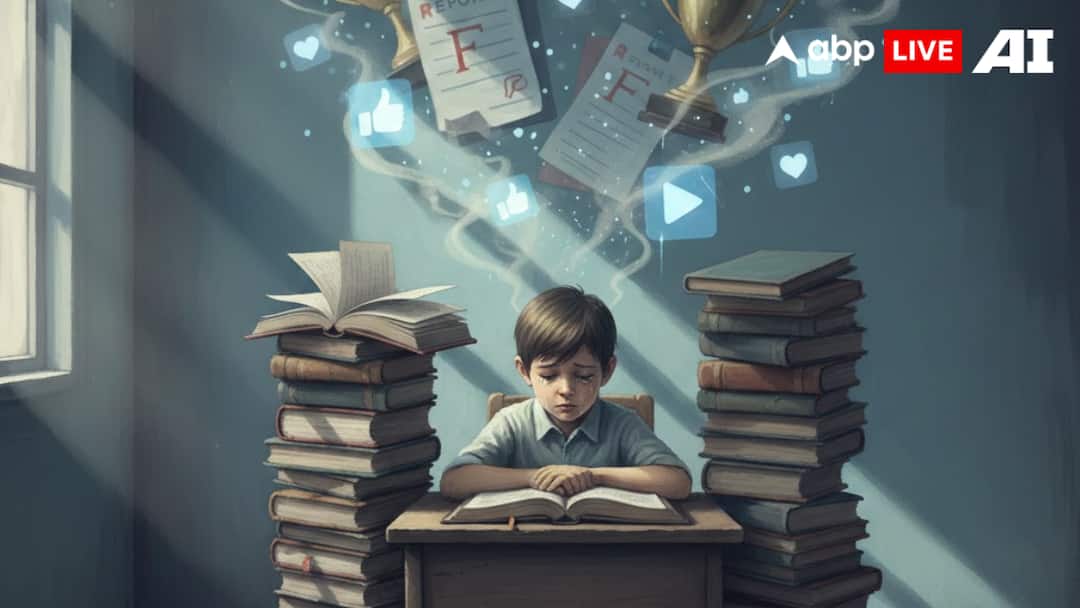

They attend school on time. They finish homework. They smile in family photos. And yet, beneath this appearance of normalcy, many school children are quietly carrying an emotional burden far heavier than their backpacks.
Competition, comparison, and the constant fear of falling short have become deeply embedded in childhood, often before children even understand what “success” truly means. Experts warn that this invisible pressure is shaping emotional development in ways that may last a lifetime.
ALSO READ: Why Student Suicides Are Rising? Inside The Emotional Fragility, Academic Pressure, And Silent Despair Consuming Young Minds
When Comparision Begins Earlier Than We Think
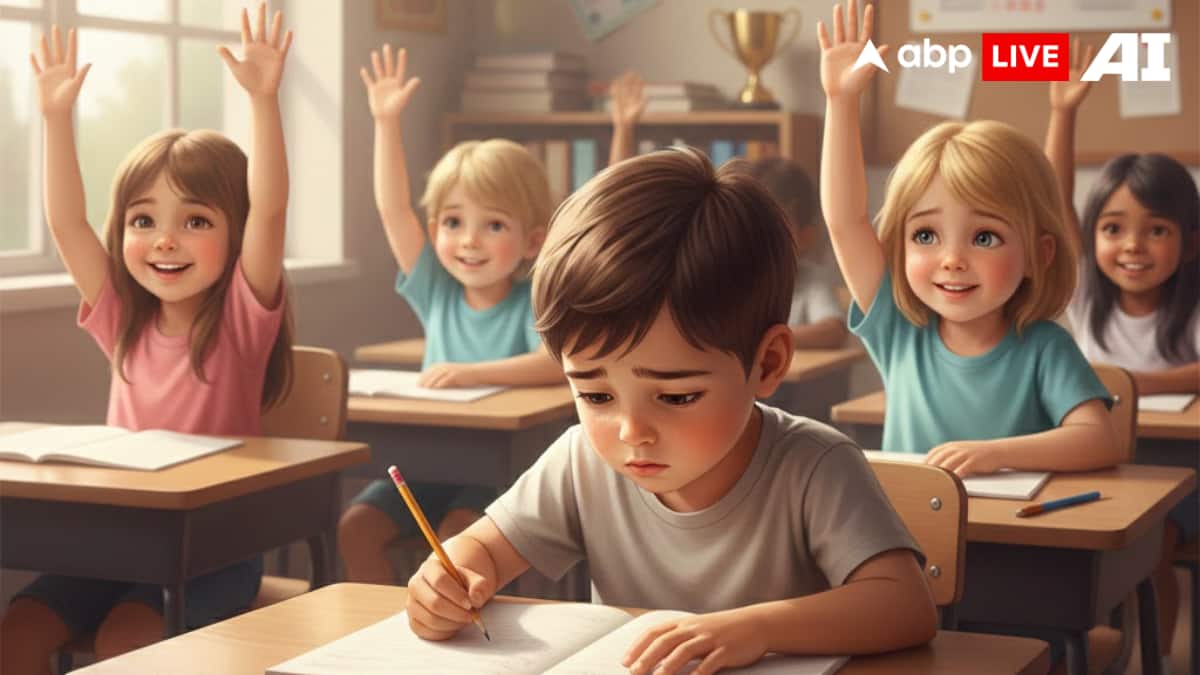
According to Dr. Ajay Dogra, Consultant Psychiatrist at Kailash Hospital, Noida, the emotional impact of competition begins far earlier than most adults assume.
“A child’s emotional development is shaped by competition and comparison much earlier than most people realize. Even in early elementary school, children begin comparing their performance with that of their peers.”
As classrooms, extracurriculars, and even social circles start ranking children, overtly or subtly, the idea of “who is better” quietly takes root. Dr. Dogra explains that while competition can sometimes motivate, constant comparison slowly reshapes how children see themselves.
“Healthy competition can motivate children, but frequent comparison at home, in school or through social media may gradually influence their emotional reactions and sense of self.”
The danger lies not in ambition, but in what happens when worth becomes conditional.
The Smiling Child Who Is Quietly Struggling
One of the most concerning realities, experts say, is that many overwhelmed children don’t appear distressed at all.
“Many children who feel overwhelmed become skilled at hiding their emotions, which makes it easy to miss the early signs.” Dr. Dogra notes that emotional overload often shows up as subtle changes rather than dramatic breakdowns. “Small behavioural shifts such as becoming unusually quiet, withdrawing from conversations or losing interest in activities they once enjoyed can be subtle indicators.”
Some children grow irritable. Others withdraw socially. Many complain of physical discomfort. “Changes in sleep patterns, eating habits or repeated complaints of headaches or stomachaches can also reflect emotional strain.”
Because these shifts happen gradually, they are often dismissed as phases, until the pressure becomes overwhelming.
When Self-Worth Becomes A Ranking System
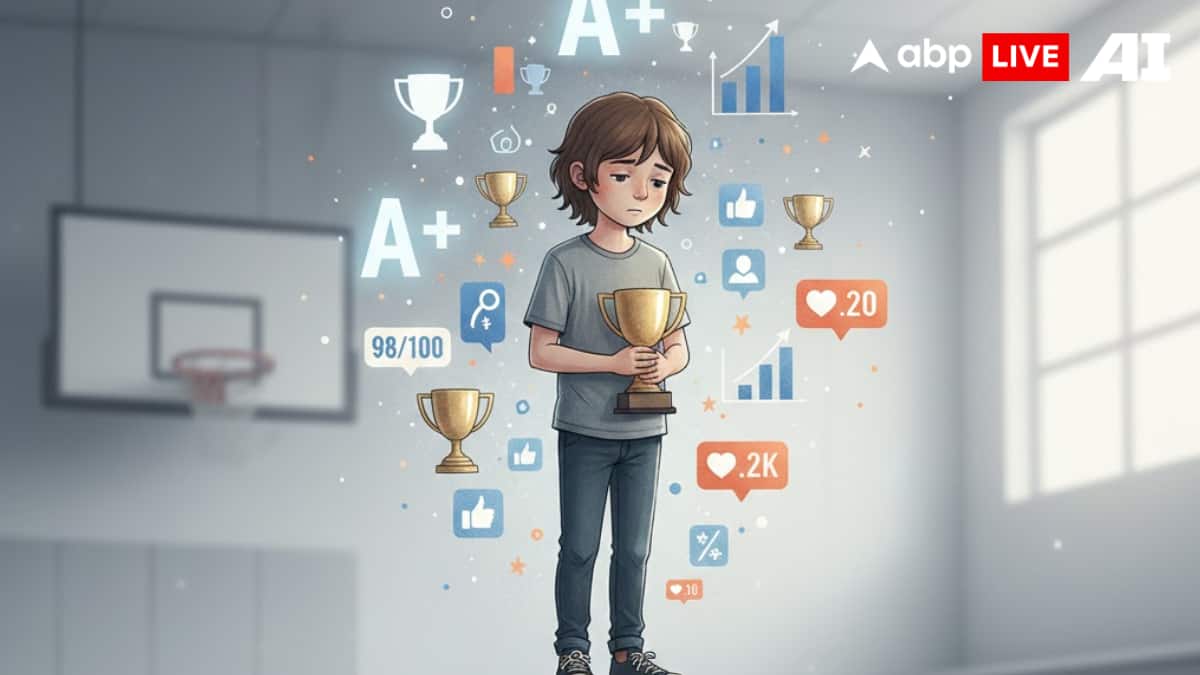
Over time, comparison stops being external and starts living inside the child’s mind.
“Many children do internalise comparison as a measure of self-worth, often without fully understanding its impact.”
Dr. Dogra explains that when children are constantly evaluated, by grades, ranks, likes, or praise tied only to results, they begin to believe that worth must be earned. “Over time, this can create a belief that worth must be earned instead of being inherent.”
This belief doesn’t just affect childhood. It shapes adulthood, fueling anxiety, perfectionism, and a deep fear of failure. “It can also influence future choices, with children avoiding challenges because they fear failure.”
Social Media: The Pressure Multiplier
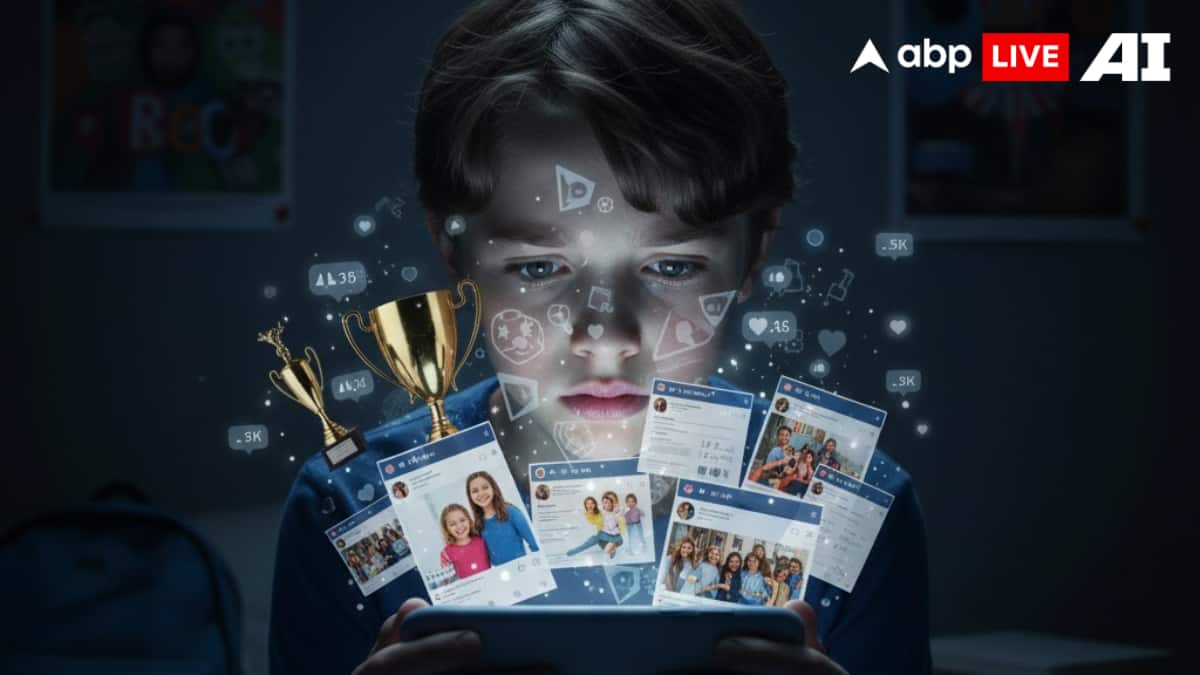
As children grow older, comparison moves beyond classrooms and into digital spaces. Dr. Dogra talks about how curated online lives distort reality. He says, “Social media often amplifies the fear of falling behind, especially as children grow older and become more aware of how others perceive them. Online platforms tend to highlight achievements, celebrations and carefully curated moments, which can unintentionally create a constant sense of comparison.”
What Children Are Actually Asking Help For
Mr. Sanjay Desai, Founder and CEO, ConsciousLeap mentions that performance pressure, comparison, and low self-belief are the issues that most frequently come up with young people.
Students aren’t just stressed, they’re confused about who they are and where they belong.
“We notice a very significant rise in the number of problems with identity, belonging, and emotional regulation. Quite a few of them, apart from not being in clinical distress, are emotionally overwhelmed.”
While technology offers access to support, it also intensifies pressure.
“Technology has an ultra-connectivity downside that leads to worsening of anxiety, through a culture of comparison, continuous notifications, and pressure to show a perfect identity online.”
Yet, Desai points out that the same tools can also heal, “As a positive one, it creates very safe and stigma-free ways for kids to talk about their problems and learn emotional skills.”
Platforms focused on emotional literacy can make a meaningful difference.
“Technology also brings an opportunity to focus on emotional literacy, reflection, and user safety.”
When Parents Go Wrong Without Noticing
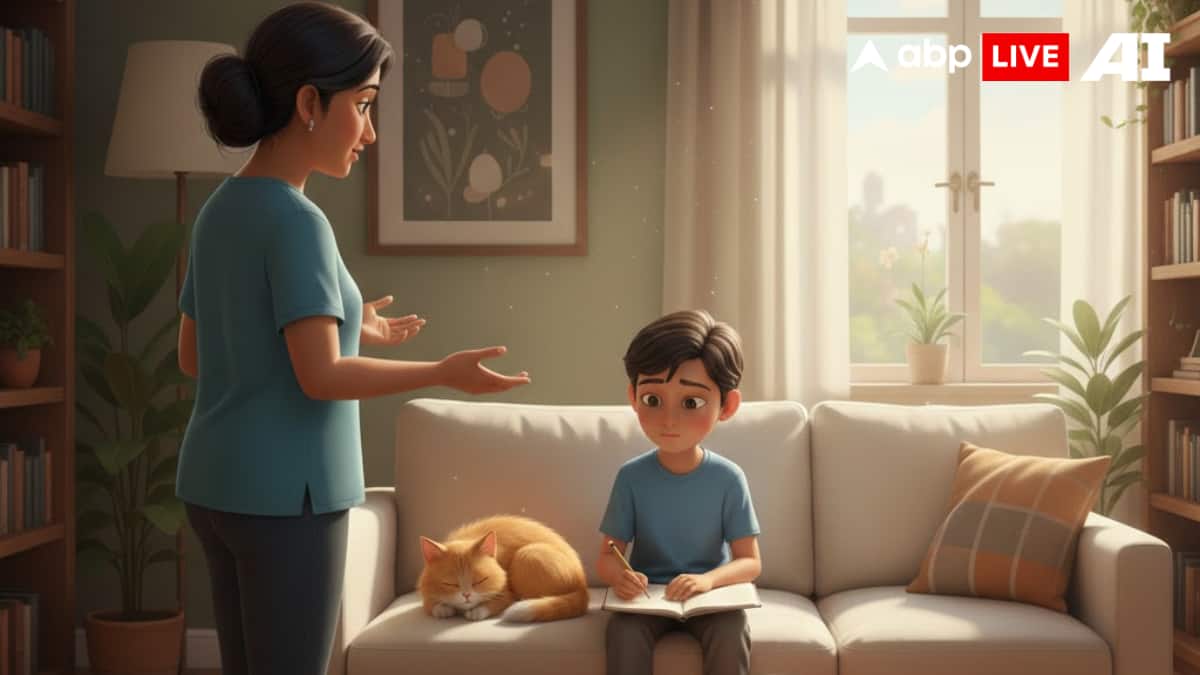
Sometimes, the greatest emotional shutdown happens at home.
“An extremely popular, unintentional mistake that parents make is advising without showing empathy.”
Children often want understanding, not solutions. “Kids usually want to be understood, not given solutions. Comparing with siblings or peers, even subtly, can hurt trust.”
He believes, “A continuous openness and non-judgmental nature, instead of evaluation, is what makes kids talk more.”
The One Change That Could Transform Education

If there is one shift that could ease student stress, Desai believes it’s this, “Building the foundations of mental well-being be upgraded from an optional extra to the core mandated part of the curriculum.”
Moving beyond outcome-based evaluation could redefine success itself.
“Just the change from only outcome-based evaluation to holistic development would be a great step towards student stress reduction.”
Check out below Health Tools-
Calculate The Age Through Age Calculator