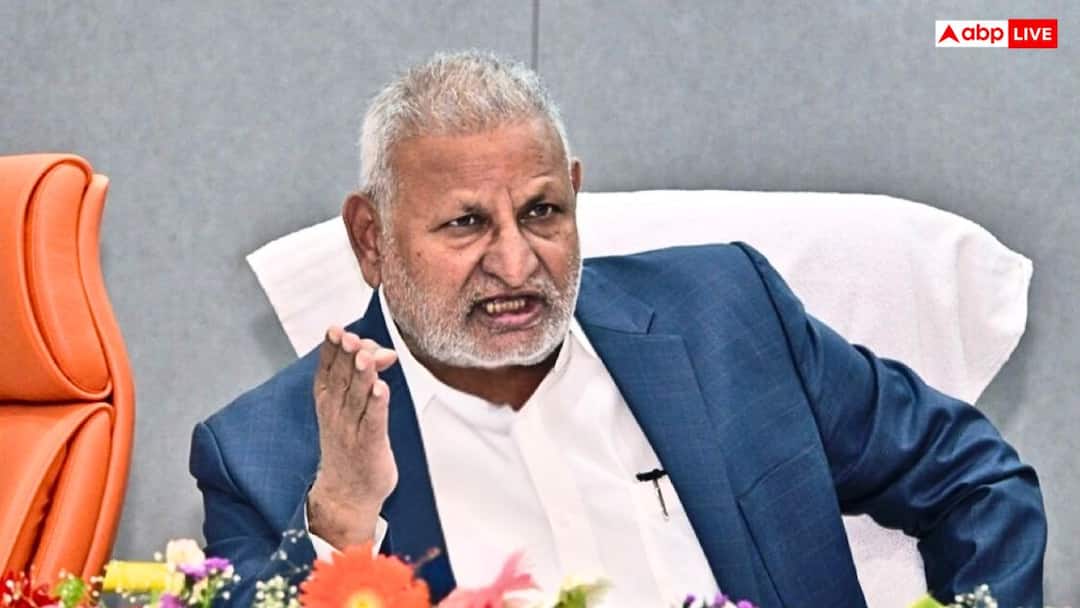

A decades-old legal battle has resurfaced with serious political consequences for Maharashtra’s Sports Minister, Manikrao Kokate. A 1995 case involving allegations of forgery and fraud has now culminated in a decisive verdict, placing Kokate’s political future in jeopardy and triggering intense discussions within the state’s ruling circles.
On Tuesday (December 16), the Nashik District Court upheld a two-year prison sentence awarded to Kokate in a housing scam case. With arrest looming and no immediate relief in sight, pressure is mounting for his resignation, as the law mandates disqualification for legislators sentenced to two years or more.
Court Upholds Two-Year Jail Term, Arrest Looms
The district court’s ruling has reaffirmed the sentence originally handed down to Manikrao Kokate, dealing a major blow to the senior leader. The conviction has reignited demands for his immediate resignation from the cabinet, as his continuation in office now hinges entirely on whether the High Court grants a stay on the sentence.
According to reliable sources, Chief Minister Devendra Fadnavis has already raised the issue at the highest level. He is said to have directly asked Deputy Chief Minister Ajit Pawar to identify who should take charge of Kokate’s ministerial portfolio if legal relief is not secured. Sources further reveal that this discussion had even taken place during a meeting last year, underlining how seriously the leadership has been tracking the case.
What Is the 1995 Housing Scam Case?
The case dates back nearly three decades. Between 1995 and 1997, Manikrao Kokate and his brother, Sunil Kokate, allegedly availed government-allotted flats by declaring low income and stating that they owned no other property.
However, authorities later claimed that these declarations were false. Complaints were filed alleging that documents had been forged and fraudulent claims made to secure the housing benefits. Former minister Tukaram Dighole petitioned against the Kokate brothers, following which a case was registered at Sarkar Wada police station in Nashik. The legal proceedings formally began in 1997. After years of trial, both Manikrao Kokate and his brother were convicted and sentenced to two years in prison, along with a fine of Rs 50,000 each.
Who Is Manikrao Kokate? A Look at His Political Journey
Born on September 26, 1957, in Soma Thane village of Sinnar taluka in Nashik district, Adv. Manikrao Shivajirao Kokate did not come from a political family. Trained as a lawyer, he entered public life through student politics with the NSUI before joining the Indian National Congress.
His career has seen multiple political shifts. Kokate joined the Nationalist Congress Party in 1999 but later contested the Sinnar Assembly seat as a Shiv Sena candidate after being denied an NCP ticket. He won the seat for the first time and successfully retained it in 2004.
In 2009, he returned to the Congress alongside Narayan Rane and secured his third victory from Sinnar. His 2014 electoral bid on a BJP ticket ended in defeat. Undeterred, Kokate rejoined the NCP in 2019 and won the constituency for the fourth time.
Following the split in the NCP, he aligned with Ajit Pawar’s faction. In the 2024 Assembly elections, Kokate registered a strong comeback, winning from Sinnar for the fifth time with a margin of 41,000 votes.
Ministerial Responsibility and the Political Fallout
During the election campaign in the Sinnar Assembly constituency, Deputy Chief Minister Ajit Pawar had publicly assured voters that Kokate would be entrusted with a key responsibility in the cabinet. That promise materialised with Kokate’s induction as a minister.
Now, the court’s verdict has dramatically altered the equation. Under existing rules, a legislator sentenced to two years or more faces immediate disqualification from the House. As a result, Manikrao Kokate risks losing not only his ministerial position but also his MLA status.
What Lies Ahead for Manikrao Kokate?
The coming days will be crucial. If the High Court does not stay the sentence, Kokate’s political career could face a sudden and severe interruption. For a leader who has navigated shifting political landscapes for over three decades, the 1995 case has returned at the most critical moment—raising a stark question: will legal relief arrive in time, or is this the end of the road for one of Sinnar’s most seasoned political figures?