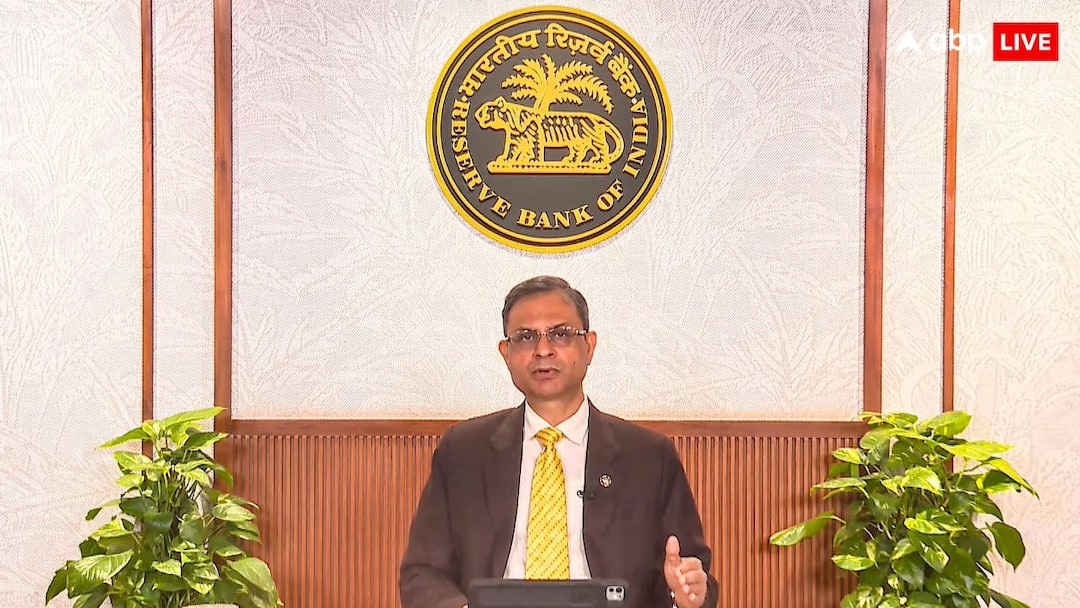

Reserve Bank of India Governor Sanjay Malhotra has said interest rates in the country are likely to remain low for a “long period of time”, citing the resilience of the Indian economy and the potential boost from upcoming trade agreements with the US and Europe.
Speaking in an interview with the Financial Times, Malhotra said the central bank’s projections indicate that policy rates “should remain low for a long period of time”. The interview was published on December 17.
Trade Deals Could Lift Growth
Malhotra noted that the RBI’s current economic forecasts do not factor in the possible impact of trade agreements currently under negotiation.
India is engaged in trade talks with both the United States and Europe, and the governor said the conclusion of such deals could significantly support economic growth.
“The impact of the US trade deal could be as much as about half a percentage point,” Malhotra told the Financial Times.
GDP Growth Surprise Prompts Review of Forecasting
The governor acknowledged that the latest GDP growth data exceeded the RBI’s expectations. India’s economy expanded by 8.2 per cent in the July–September quarter, compared with the central bank’s earlier projection of 7 per cent.
“The most recent headline GDP figure was surprising,” Malhotra said, adding that the RBI would need to “improve our forecasting”.
While growth outperformed estimates in the September quarter, it is expected to moderate as the impact of steep US tariffs feeds through to exports, affecting sectors such as textiles and chemicals.
External Pressures Weigh on Economy
India, the world’s fifth-largest economy, is facing pressure from punitive tariffs imposed by US President Donald Trump. These measures have widened the trade deficit and pushed the rupee to record lows.
Earlier this month, the RBI cut its key repo rate by 25 basis points and signalled scope for further easing. The central bank also announced steps to boost banking-sector liquidity by up to $16 billion to support what Malhotra described as a “goldilocks” economy.
Data Revisions and Policy Judgement
Addressing concerns about the reliability of economic data, Malhotra said revisions were inevitable.
“Some margin of error will always be there because these figures do get revised,” he said, stressing that policymakers must account for such revisions while framing decisions.
“Otherwise I think the figures are quite robust,” he added.